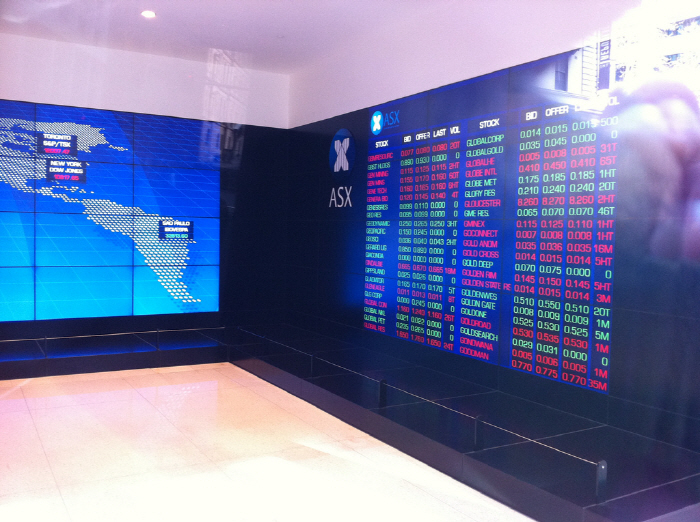
Australian shares slipped on Monday while the local dollar edged higher, after Prime Minister Anthony Albanese's Labor Party secured a stronger parliamentary majority in the 2025 federal election. The ASX 200 fell nearly 1% in early trade, weighed down by losses in banking and commodity stocks. The country’s major banks dropped between 0.8% and 3%, with Westpac (WBC) leading declines after posting a weaker first-half net profit and warning of headwinds from global tariffs.
The Australian dollar strengthened slightly, with AUD/USD gaining 0.3% amid political clarity and improved sentiment. Analysts expect little change in overall economic policy, but warned that Labor’s larger majority could pave the way for increased fiscal spending and larger budget deficits. Capital Economics noted the potential for “higher deficit spending” if the government interprets its win as a green light for more expansive policy.
Labor’s landslide reelection mirrors recent political shifts in Canada, where unexpected support for liberal parties emerged amid global uncertainty tied to U.S. President Donald Trump’s protectionist policies. The backlash against conservative agendas—particularly those mimicking Trump-era workforce cuts—appears to have influenced voters.
Albanese, now the first Australian prime minister to secure a second consecutive term in 20 years, saw his popularity rise in March after the opposition proposed banning remote work for federal employees and cutting public jobs. Treasurer Jim Chalmers said the government will prioritize navigating the escalating U.S.-China trade tensions and review U.S. trade policy implications for Australia.
While Labor’s social spending has helped ease cost-of-living pressures, concerns are growing over the sustainability of such measures. Analysts warn that with global trade risks and slowing growth, fiscal discipline will become increasingly important in the years ahead.