


 U.S. Stock Futures Fall as Iran, Oil and AI Risks Rattle Markets
  Oil Prices Fall on U.S.-Iran Hormuz Deal Hopes
  South Korea Tax Windfall Could Top 50 Trillion Won on Chip Boom
  China Agrees to Buy 20 Million Tons of U.S. Coal
  China Cuts Tariffs on U.S. Farm Goods but Excludes Soybeans
  Gold Slides Below $4,300 as Oil Surge Fuels Fed Rate Hike Bets
  Oil Prices Jump Nearly 3% as Iran Holds Firm on Hormuz Conditions
  US Stocks Face Jobs, Inflation Test as Fed Rate Hike Bets Rise
  Germany’s 2026 Growth Outlook Strengthens on Fiscal Spending
  Oil Prices Rise as Iran Holds Firm on Strait of Hormuz Deal
  ECB May Stop Rate Hikes After December, Capital Economics Says
  Japan Warns Markets Over Yen Weakness
  Asian Currencies Weaken as Dollar, Oil Prices Rise
  UK PM Burnham to Unveil Economic Vision at Labour Conference
  China Consumer Stocks Near Decade Lows as AI Shares Surge
  RBA Set for September Rate Hike as Inflation Stays High
  Canadian Dollar Faces Pressure as Fed-BoC Policy Gap Widens


 Add as a preferred source on Google
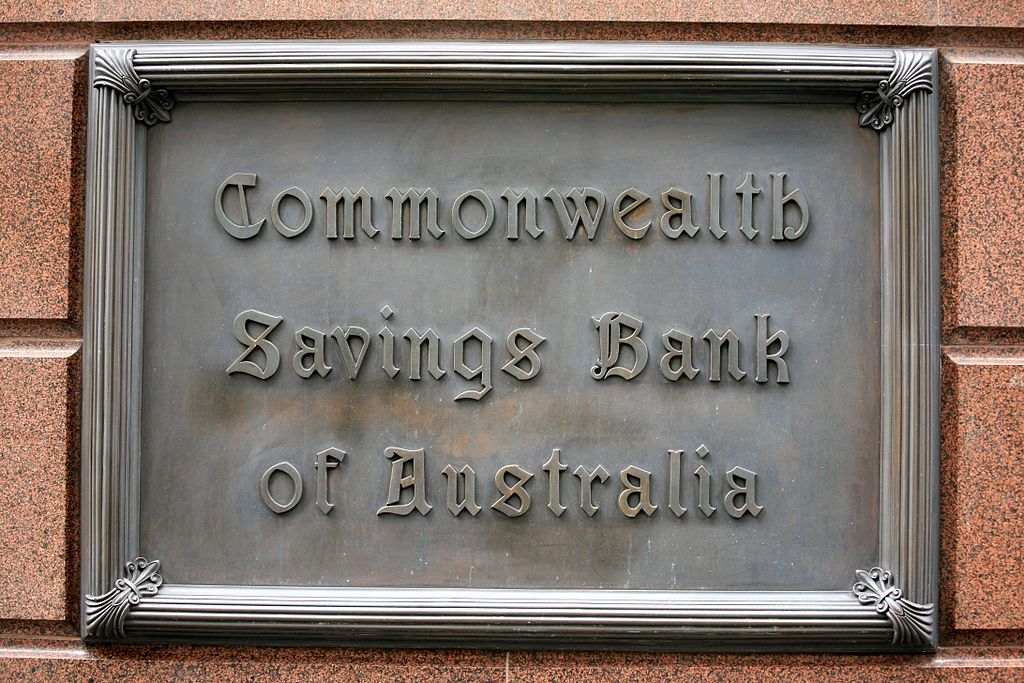
Commonwealth Bank of Australia (CBA), the nation’s largest lender, has raised concerns that the current surge in home loan demand is contributing to rising property prices and creating long-term risks for the housing market. CEO Matt Comyn told lawmakers during a parliamentary committee hearing that while the bank benefits from strong housing credit growth, the pace has moved beyond what regulators may consider sustainable.
Comyn noted that housing credit growth has accelerated more quickly than the post-global financial crisis average, driven in part by increased investor activity encouraged by low interest rates. Recent data from the Australian Bureau of Statistics supports this trend, with new loan commitments for dwellings rising 6.4% in the third quarter compared to the previous quarter. Meanwhile, the Reserve Bank of Australia has highlighted that expanding investor credit is one of the major contributors to the overall rise in housing credit.
CBA itself expanded its mortgage book by 6% to A$664.7 billion ($431 billion) in the financial year ending June 30, outpacing other major lenders that reported around 5% growth for the year ending September 30. Despite benefiting from this growth, Comyn emphasized that slightly lower housing credit expansion would be better for financial stability, market accessibility, and housing affordability over the long term.
He added that credit demand may begin to cool as confidence fades around potential interest rate cuts. With inflation still running too high, CBA expects the Reserve Bank to keep the cash rate steady at 3.6% through 2026, reducing the likelihood of near-term rate relief for borrowers.
Comyn’s comments underscore the delicate balance between bank profitability, market demand, and the broader economic implications of rapid credit growth. As Australia continues to grapple with affordability challenges and strong housing demand, policymakers are increasingly focused on ensuring the market remains stable and accessible.







