


 Fed Rate Hike Threatens Housing as U.S. Growth Leans on AI, Citi Says
  Asian Currencies Mixed as Yen Weakens, RBA Hike Looms
  ECB May Stop Rate Hikes After December, Capital Economics Says
  US Dollar Hits Two-Month High as Aussie, Pound Slide
  Global Central Banks Brace for More Rate Hikes as Inflation Risks Rise
  Japanese Yen Retreats as Dollar Rises Ahead of Fed, BOJ Rate Decisions
  U.S. Stock Futures Fall as Iran, Oil and AI Risks Rattle Markets
  Trump Eyes $54 Billion South Korean Investment in Alaska LNG
  RBA Hikes Interest Rate to 4.60% as Inflation Risks Rise
  XRP Price Targets $1.70 as Bullish Momentum Builds
  Nvidia China Chip Sales Report Sends Chinese Semiconductor Stocks Lower
  Fed’s Hammack Says Bond Yield Surge Is Not Driven by Inflation Fears


 Add as a preferred source on Google
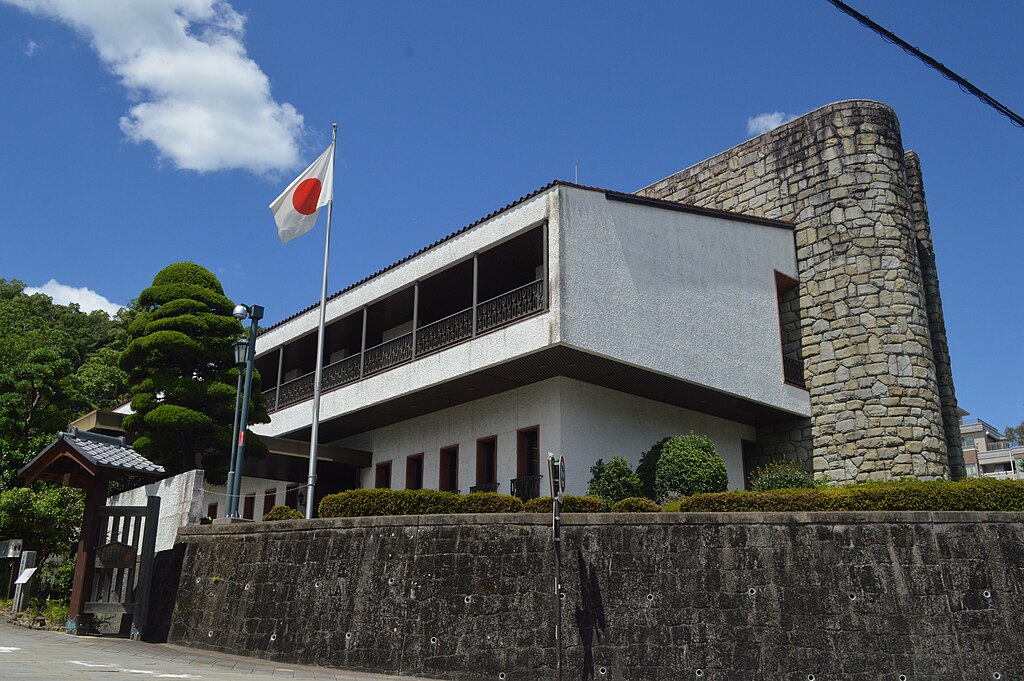
Bank of Japan (BOJ) Governor Kazuo Ueda is set to meet with senior government officials on Wednesday, including Finance Minister Satsuki Katayama and Economic Revitalisation Minister Minoru Kiuchi, at a time when financial markets are closely watching potential shifts in Japan’s monetary and fiscal direction under new Prime Minister Sanae Takaichi. The meeting comes one day after Ueda’s discussion with Takaichi, during which they exchanged views on economic growth, monetary policy, and the yen’s recent volatility.
Katayama is scheduled to hold a press conference around 6:30 p.m. (0930 GMT) following the discussions, according to a statement from the Ministry of Finance. This marks the first such high-level meeting since October of last year, when Ueda and government ministers jointly expressed concern over sharp yen declines and reiterated their commitment to closely monitor market trends. At that time, they also restated their cooperation toward achieving the BOJ’s longstanding 2% inflation target, based on their 2013 joint policy agreement.
Although the ministry has not revealed Wednesday’s agenda, the meeting comes amid intensified pressure on the yen. Market sentiment suggests that Takaichi’s administration may pursue an expansive fiscal package supported by low borrowing costs. According to Kyodo News, Japan’s new stimulus plan could exceed 20 trillion yen (approximately $129 billion), with roughly 17 trillion yen financed through an extra budget. The yen recently fell to a nine-month low against the U.S. dollar before rebounding to around 155.49 on Wednesday.
Takaichi’s pro-stimulus stance introduces new challenges for the BOJ, which has been cautiously moving away from its ultra-loose monetary framework. After phasing out its massive stimulus program last year, the central bank raised interest rates twice, keeping them steady at 0.5% in recent months. Ueda has emphasized the possibility of further rate hikes in December or January, though he noted that the prime minister made no direct request concerning monetary policy during their latest discussion.
Ueda also indicated that he accepted Takaichi’s proposal to make a technical adjustment to the 2013 joint statement. Originally crafted under former Prime Minister Shinzo Abe to combat deflation, the statement urged the BOJ to hit its inflation target “at the earliest date possible.” Critics now argue that the language is outdated, as Japan has sustained inflation above 2% for over three years, and that it may unintentionally encourage excessive government spending.
Through this latest round of meetings, policymakers aim to strike a delicate balance between supporting economic growth, anchoring inflation expectations, and stabilizing the yen—key concerns that will continue to shape Japan’s monetary outlook in the months ahead.







