


 RBA Hikes Interest Rate to 4.60% as Inflation Risks Rise
  RBA Set for September Rate Hike as Inflation Stays High
  Japan Factory Output Unexpectedly Falls 1.7% in August
  RBI Uses $10 Billion Currency Swaps to Drain Excess Rupee Liquidity
  US Stocks Slip as Treasury Yields Ease, AI Trade Rebounds
  BOJ Raises Interest Rate to 31-Year High as Yen Weakens
  UK Housebuilder Stocks Surge on New First-Time Buyer Loan Scheme
  Nvidia China Chip Sales Report Sends Chinese Semiconductor Stocks Lower
  Fed’s Williams Signals One More Rate Hike Before Year-End
  Gold Holds Near Seven-Week Low as Fed Rate Hike Bets Rise
  Japan Warns Markets Over Yen Weakness
  U.S. Stock Futures Fall as Iran, Oil and AI Risks Rattle Markets


 Add as a preferred source on Google
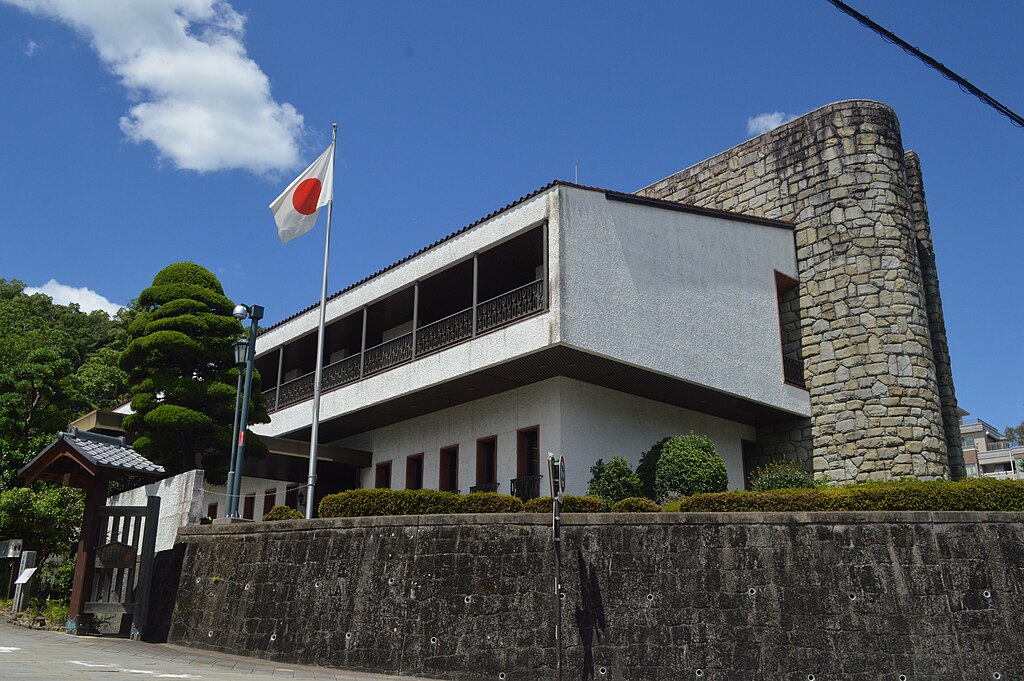
Bank of Japan (BOJ) Deputy Governor Shinichi Uchida cautioned that economic and price risks remain tilted to the downside due to “extremely high” uncertainty surrounding global trade policies. Speaking to business leaders in Kochi, Uchida emphasized the central bank’s readiness to raise interest rates further but stressed the need to balance risks to maintain stability.
His comments followed U.S. President Donald Trump’s announcement of a trade agreement with Japan, a development likely to ease some pressure on the country’s economic outlook. Uchida noted that while easing trade tensions could boost corporate profits and wages, prolonged tariff impacts might reverse recent wage growth trends.
Inflation trends are also shifting, with food price increases now extending beyond staples like rice, suggesting a structural change in firms’ pricing behavior. The BOJ projects core inflation will approach its 2% target between fiscal 2026 and 2027, supported by domestic demand.
The central bank, which ended its decade-long ultra-loose policy last year and raised short-term rates to 0.5% in January, will hold its next policy meeting on July 30–31. A quarterly report due then is expected to highlight tariff-related uncertainties but present a less pessimistic outlook compared to three months ago.
Analysts say the new U.S.-Japan trade deal could accelerate BOJ’s tightening cycle, even amid political uncertainty linked to Prime Minister Shigeru Ishiba’s potential resignation. A Reuters poll shows most economists expect another rate hike by year-end, although no move is anticipated at this month’s meeting.







