


 Oil Prices Slide as Middle East Flows Recover
  Gold Holds Near Seven-Week Low as Fed Rate Hike Bets Rise
  Asian Chip Stocks Tumble as OpenAI Safety Pause Sparks AI Growth Concerns
  Global Central Banks Brace for More Rate Hikes as Inflation Risks Rise
  BOJ Set to Raise Rates to 1.25% as Inflation Risks Build
  Central Banks Could Buy 20,000 Tonnes of Gold: BofA
  Fed Unveils Stablecoin Rules Under GENIUS Act
  Nvidia China Chip Sales Report Sends Chinese Semiconductor Stocks Lower
  US Alcohol Ban Exposes Canada’s Internal Trade Barriers
  ECB May Stop Rate Hikes After December, Capital Economics Says
  BOJ Flags Import Costs and Yen Shocks as Persistent Inflation Risks
  RBI Uses $10 Billion Currency Swaps to Drain Excess Rupee Liquidity
  Japan Warns Markets Over Yen Weakness


 Add as a preferred source on Google
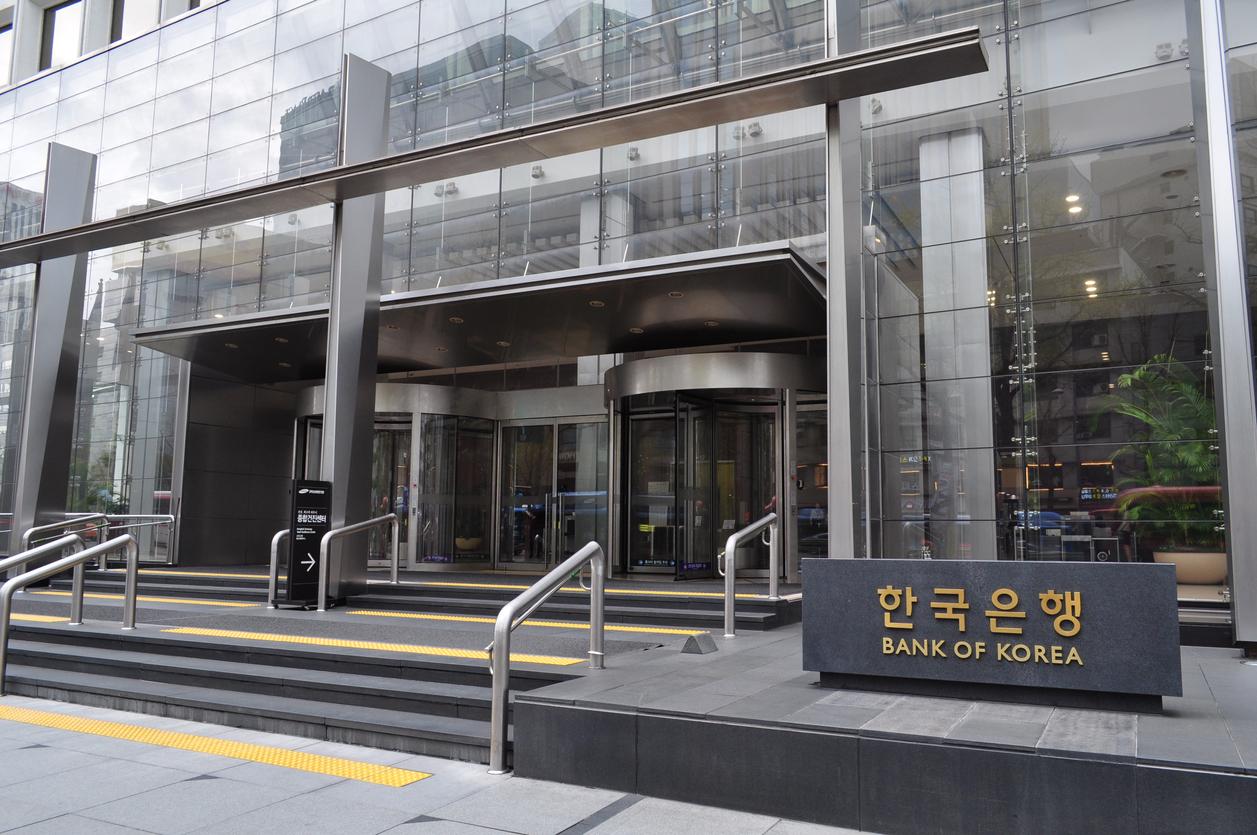
The Bank of Korea (BOK) is widely expected to keep its benchmark interest rate unchanged at 2.50% this Thursday, according to a recent Reuters survey. Most economists now anticipate that the next rate cut will be postponed until early 2026 due to persistent weakness in the Korean won, elevated home prices, and ongoing concerns about an overheated property market.
In the poll conducted from November 18–24, nearly 90% of economists—32 out of 36—forecast that the central bank will extend its current rate pause, which has been in place since May. Only four respondents expect a 25-basis-point reduction. Analysts say the combination of a volatile currency and rising real estate prices has kept policymakers cautious, delaying the timing of future monetary easing.
South Korea’s economy has shown signs of renewed momentum, adding to the case for a steady policy stance. Third-quarter GDP grew 1.2%, the strongest expansion in more than a year, while October inflation climbed to 2.4%, surpassing the BOK’s 2% target. Although the central bank has already delivered 100 basis points of cuts since October 2024, economists argue it needs more time to assess the full economic impact.
Many analysts expect at least one additional cut by the end of March 2026. Out of 28 economists who offered longer-term projections, 17 predict rates will fall to either 2.25% or 2.00% in the first quarter, while 11 expect no change. Despite near-term caution, experts note that a negative output gap, modest growth, and potential Federal Reserve easing in 2026 could reopen the path for further rate reductions.
The BOK projects South Korea’s economy will expand just 0.9% this year, marking the slowest pace since the pandemic. With growth still below potential and inflation remaining manageable, economists believe the direction of monetary policy ultimately points downward—though the timing now appears further out than previously expected.







