


 BlackRock’s Rick Rieder Favors Bonds Over Stocks as Treasury Yields Surge
  Asian Stocks Rise as Bond Yields Ease Ahead of U.S. Inflation Data
  Oil Prices Slide as Middle East Flows Recover
  RBA Hikes Interest Rate to 4.60% as Inflation Risks Rise
  U.S. Stock Futures Fall as Iran, Oil and AI Risks Rattle Markets
  RBI Uses $10 Billion Currency Swaps to Drain Excess Rupee Liquidity
  Gold Prices Slip as High Treasury Yields Weigh on Bullion
  Central Banks Could Buy 20,000 Tonnes of Gold: BofA
  US Dollar Hits Two-Month High as Aussie, Pound Slide
  Japanese Yen Retreats as Dollar Rises Ahead of Fed, BOJ Rate Decisions
  Fed’s Hammack Says Bond Yield Surge Is Not Driven by Inflation Fears
  ECB May Stop Rate Hikes After December, Capital Economics Says
  U.S. Stock Futures Steady as AI, Rate Concerns Weigh
  Asian Currencies Mixed as Yen Weakens, RBA Hike Looms
  BOJ Signals Faster Rate Hikes as Inflation Risks Grow


 Add as a preferred source on Google
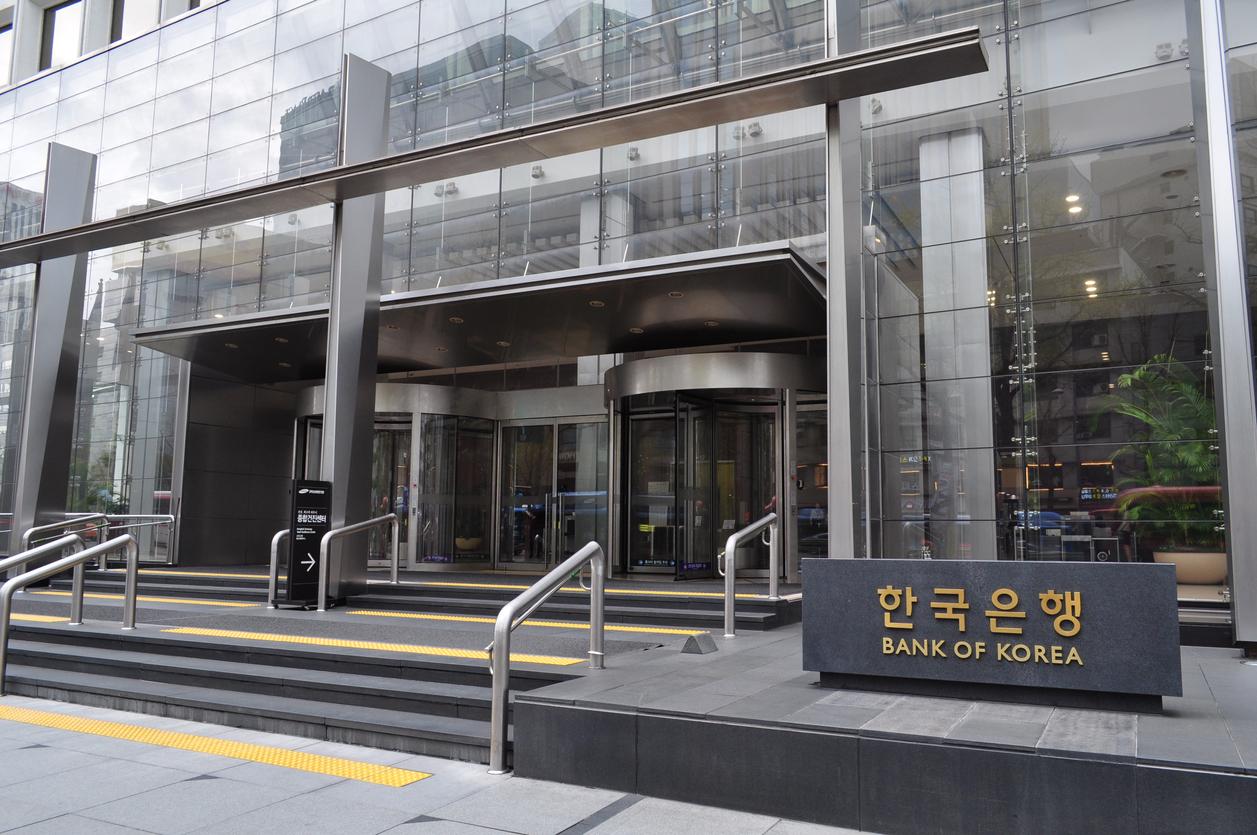
The Bank of Korea (BOK) maintained its benchmark interest rate at 2.50% on Thursday, signaling caution amid a rebound in home prices and a weakening won. The central bank’s seven-member policy board voted unanimously to hold rates, a move widely expected by economists, with 33 out of 35 predicting no change. However, the BOK left room for another potential cut later this year as growth momentum slows.
In its statement, the BOK emphasized that it would “maintain its rate-cut stance to mitigate downside risks to economic growth” while carefully monitoring inflation, the housing market, and global economic developments. The decision follows a total of 100 basis points in rate cuts since October 2024 aimed at stimulating an economy struggling under former President Yoon Suk Yeol’s martial law decree and ongoing trade tensions.
Analysts now expect one final rate reduction in November before a prolonged pause, as policymakers face the dual challenge of curbing financial instability and supporting growth. Rising property prices in Seoul have become a concern, particularly with the Lee Jae Myung administration implementing its third round of housing market curbs in four months. The average price-to-income ratio for Seoul apartments has now surpassed those in London and Sydney.
Meanwhile, the South Korean won weakened to around 1,435 per dollar, its lowest level since early May, while three-year treasury bond futures edged higher. The economy is forecast to grow at its slowest pace since 2020, as U.S. tariffs on exports and a downturn in construction weigh on recovery. Gareth Leather of Capital Economics predicts a rate cut at the November 27 policy meeting, noting that “the broader outlook is soft” due to declining exports, tight fiscal policy, and a slumping property sector.







