


 Fed’s Williams Signals One More Rate Hike Before Year-End
  Gold Holds Near Seven-Week Low as Fed Rate Hike Bets Rise
  Fed’s Hammack Says Bond Yield Surge Is Not Driven by Inflation Fears
  Yen Sinks as BOJ Rate Hike Fails to Impress Markets
  Dollar Eases Near Two-Month High as Yen Rebounds
  BOJ Set for 25-Basis-Point Rate Hike as Yen Weakness Fuels Inflation
  UK Housebuilder Stocks Surge on New First-Time Buyer Loan Scheme
  RBI Uses $10 Billion Currency Swaps to Drain Excess Rupee Liquidity
  ECB May Stop Rate Hikes After December, Capital Economics Says
  South Korea Exports Set for 16th Monthly Gain on AI Chip Demand
  Asian Stocks Fall as Bond Yields and Oil Prices Surge
  Oil Prices Steady as Middle East Crude Flows Recover


 Add as a preferred source on Google
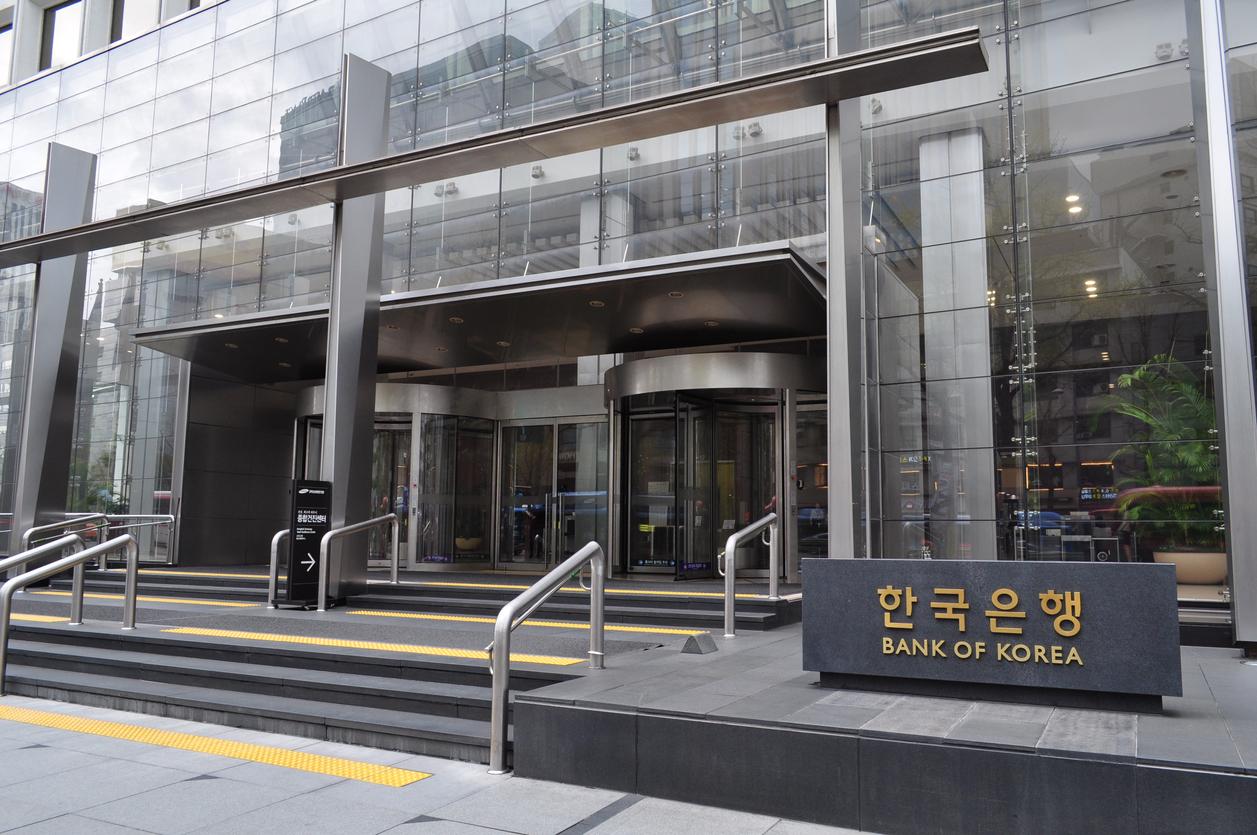
The Bank of Korea (BOK) is expected to keep its benchmark interest rate at 2.50% on July 10, according to a Reuters poll of 33 economists, as concerns over rising household debt and soaring Seoul housing prices outweigh immediate pressure for further easing. Despite a broader monetary policy path toward rate cuts, the central bank is pausing this month after recent data showed home-backed mortgage loans surged by 5.6 trillion won ($4.1 billion) in May, up from April’s 4.8 trillion won increase.
Monetary policy board member Kim Jong-hwa noted on June 25 that the BOK must remain cautious about renewed housing market risks. While 100 basis points of cuts have already been implemented since late 2024, board minutes from May suggest continued policy support is necessary to bolster economic growth.
Most analysts forecast another 25 basis point cut by September, bringing the rate down to 2.25% amid subdued inflation near 2% and a Q1 economic contraction of 0.2%. However, forecasts diverge for year-end levels: 16 of 31 economists expect 2.25%, 13 see a drop to 2.00%, and two anticipate no change.
Jennifer Kusuma of ANZ said persistent weak growth and stable inflation should support further easing, while Pantheon Macroeconomics’ Kelvin Lam warned that stalled U.S. trade talks could push rates lower than expected. The poll revised South Korea’s 2025 GDP growth outlook down to 0.9%, from 1.3% in April, aligning with the BOK’s 0.8% projection. Inflation is expected to average 2.0% in 2025, easing to 1.9% in 2026.
Despite holding steady in July, the BOK is likely to maintain dovish messaging, keeping the door open for future rate cuts to support South Korea’s slowing economy.







