Former U.S. President Joe Biden’s announcement of aggressive prostate cancer that has metastasized to his bones has reignited concerns about his health during his presidency. The diagnosis, which is considered stage 4, was revealed last Friday, prompting criticism over transparency from political rivals and renewed scrutiny of the 82-year-old’s mental and physical condition during his time in office.
President Donald Trump questioned why the public wasn’t informed sooner, incorrectly referencing a “stage 9” diagnosis. Vice President JD Vance echoed concerns, asking why Americans weren’t given a clearer picture of Biden’s health earlier. Aides close to Biden maintain that he remained capable of making presidential decisions, despite a new book, Original Sin by Jake Tapper and Alex Thompson, which claims growing concern among Democratic insiders about Biden’s mental acuity.
Doctors expressed surprise that such an advanced case wasn’t detected earlier, especially given the availability of regular screening tools. Dr. Chris George of Northwestern Health Network questioned how the cancer was missed in annual exams, while NYU Langone’s Dr. Herbert Lepor called late-stage detection “unusual” in modern medicine. CDC data shows 70% of prostate cancers are typically diagnosed before spreading.
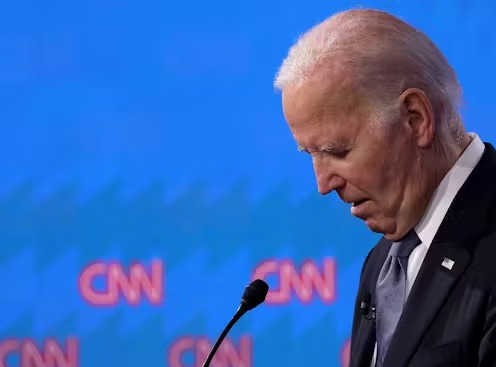
Biden, who had no serious opposition for the 2024 Democratic nomination, dropped out of the race following a poor debate performance against Trump. His running mate, Kamala Harris, launched a bid but lost in the general election.
In a social media message, Biden thanked supporters, writing, “Cancer touches us all... Jill and I have learned that we are strongest in the broken places.”
As calls grow for greater transparency in presidential health disclosures, Biden’s case highlights gaps in current screening practices and raises lasting questions about the balance between privacy and public accountability.