


 U.S. Accuses Chinese AI Firms of Extracting Model Capabilities
  Merz Rejects AfD Alliance After Saxony-Anhalt Surge
  Australia Defends Social Media Algorithm Law Amid US Concerns
  Iran Strikes U.S.-Used Jordan Base as Gulf War Escalates
  Trump Administration Removes Confederate Memorial Criticism From Arlington Website
  Iran Threatens Gulf Energy Assets as U.S. Tensions Escalate
  SEC Probes Banks Over Situational Awareness Hedge Fund Collapse
  FDA Names Permanent Drug and Biologics Center Chiefs
  Countries Tighten Social Media Bans for Children
  Oil Prices Rally as Brent Nears $100 on U.S.-Iran Escalation
  Gold Prices Rebound as Dollar Weakens, Fed Decision Looms
  China to Inject $45 Billion Into State Financial Institutions
  US Bans Canadian Alcohol, Motorcycles as Trade War Escalates
  Oil Prices Climb as Iran Threatens Gulf Energy Infrastructure
  Trump Hails AfD Election Win, Blames Germany Immigration Rules
  Iran Threatens US With ‘Economic Warfare’ as Gulf Tensions Rise


 Add as a preferred source on Google
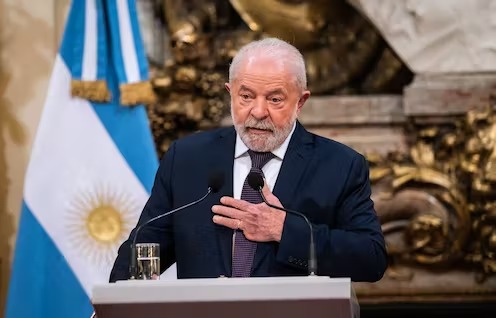
Brazil’s Supreme Court has upheld most of President Luiz Inacio Lula da Silva’s controversial decree increasing the Financial Operations Tax (IOF), delivering a key fiscal win for his administration. The ruling, issued by Justice Alexandre de Moraes, only struck down the hike on forfait transactions—advance payments to suppliers that had previously been treated as credit operations.
The original decree, issued in late May, aimed to boost government revenue by raising IOF rates on select corporate credit, foreign exchange, and private pension operations. It was designed to ease the impact of a mandatory budget freeze and ensure compliance with this year’s fiscal targets.
The measure drew swift backlash from lawmakers and the financial industry, prompting the government to partially reverse some of the proposed increases shortly after the announcement. Despite these concessions, Congress passed a decree to overturn the measure entirely, pushing the government to escalate the dispute to the Supreme Court.
According to the Finance Ministry, the court’s decision will help preserve fiscal balance and interbranch cooperation. However, blocking the forfait tax hike will cost the government an estimated 450 million reais ($80.9 million) in 2025 and 3.5 billion reais ($628 million) in 2026. The ministry emphasized the ruling’s importance for maintaining budget stability.
Finance Minister Fernando Haddad acknowledged the lost revenue but noted Brazil remains on track for a solid primary fiscal result this year. He confirmed that the administration will explore new strategies next week to offset the shortfall and is already planning the 2026 budget accordingly.
This ruling secures a large portion of Lula’s planned tax increases, potentially averting a projected shortfall of 12 billion reais ($2.16 billion) in 2025 and even greater deficits in the coming years.







