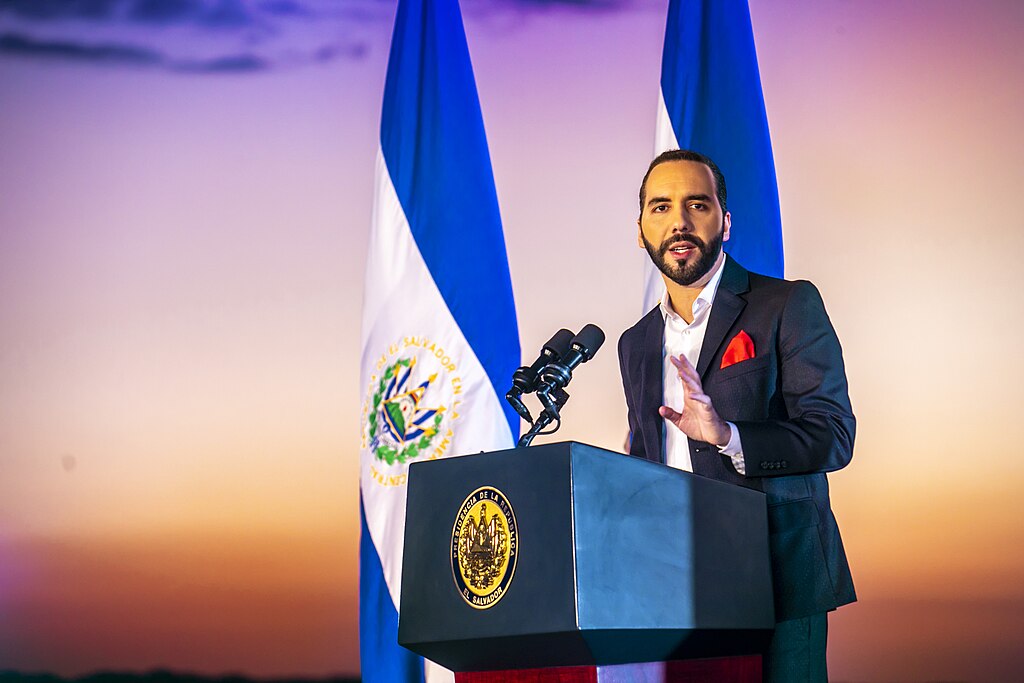
El Salvador’s President Nayib Bukele has again fueled debate over democracy and constitutional order after stating he would be open to remaining in power for another decade. Bukele, who first took office in 2019 and is currently serving a second term that critics argue violates the constitution, made the remarks in a video interview published this week by popular Spanish YouTuber TheGrefg.
“If it were up to me, I would stay for 10 more years,” Bukele said, adding that he had originally promised his wife he would leave politics in 2029. His comments come as El Salvador prepares for its next presidential election in 2027, which will determine who governs the country through 2033.
The political landscape shifted dramatically in July when the ruling party-controlled Congress approved sweeping constitutional reforms. These changes abolished presidential term limits, brought forward the next election, and extended presidential terms from five to six years. As a result, Bukele will be eligible to run for a third term, a move that has drawn sharp criticism from legal experts and human rights groups both domestically and internationally.
El Salvador’s constitution explicitly bans consecutive presidential reelection in at least six separate articles. Despite this, Bukele secured a landslide victory in early 2024 to win his second term, following a controversial reinterpretation of constitutional rules by the country’s top court.
At 44, Bukele remains one of the world’s most popular leaders, boasting exceptionally high approval ratings. His hardline security policies, including a state of emergency and mass arrests, have led to a dramatic reduction in homicide rates and gang violence, transforming El Salvador’s international image on crime.
However, critics argue these gains have come at a high cost. Human rights organizations allege widespread civil rights abuses, including arbitrary detentions, torture, and deaths in custody. Bukele, who once labeled himself “the world’s coolest dictator” on social media, insists he has no intention of establishing a dictatorship and says any decision about his future in office should ultimately rest with the Salvadoran people.
The ongoing debate highlights growing concerns over democratic backsliding in El Salvador, even as Bukele’s popularity remains strong.