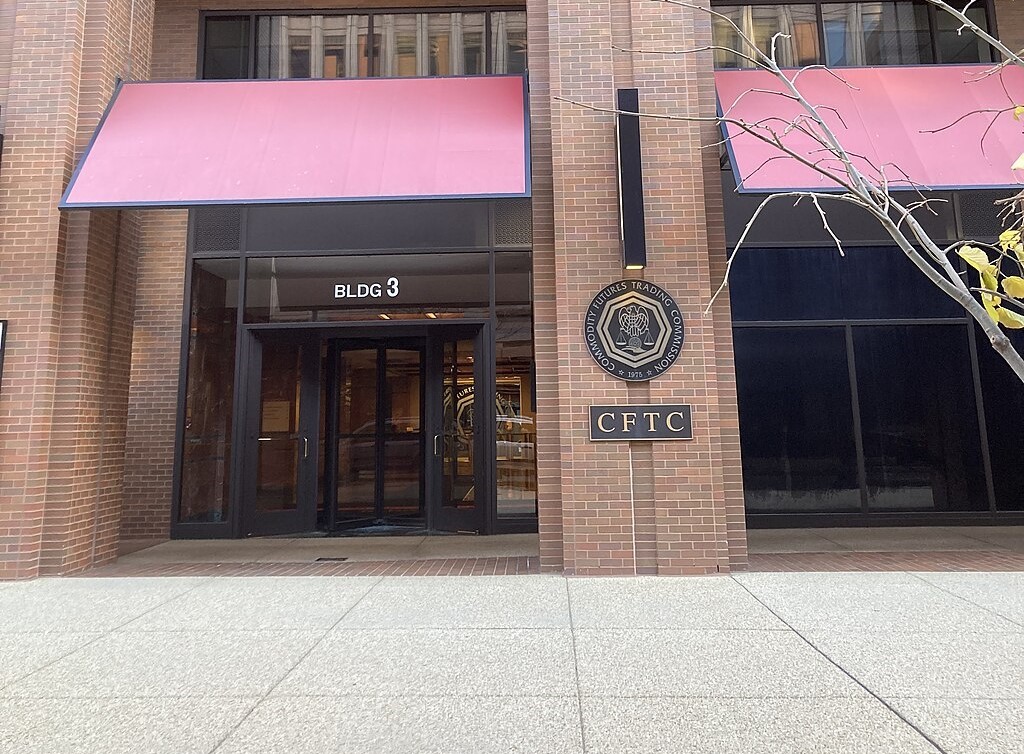
CFTC Commissioner J. Christopher Giancarlo has called for regulators to encourage blockchain and fintech revolution and has outlined five practical steps that the CFTC and other financial regulators should take to promote these innovative technologies.
In his keynote address before SEFCON VII, Giancarlo said that he believes in the promising benefits of distributed ledger technology (DLT) and FinTech innovation for financial marketplace as well as regulators. He emphasized that for encouraging this technology, regulators must take a “do no harm” approach.
Giancarlo belies that the US financial regulators are falling behind foreign jurisdictions in promoting FinTech. He noted the UK Financial Conduct Authority’s (FCA) efforts which include setting up of an Innovation Hub that allows FinTech firms to introduce innovative financial products and services to the market and test new ideas through its “Regulatory Sandbox”. He further said that similar initiatives are underway in Australia, Singapore, Japan and other countries.
“The CFTC and other U.S. financial regulators must come together and look to emulate the UK, Australia, Singapore and Japan in order to avoid stifling innovation and DLT’s potential benefits. An international consensus around a “first, do no harm” approach is the right way to avoid impeding essential DLT innovation by protracted rule uncertainty or uncoordinated actions”.
Giancarlo further listed five practical steps that the CFTC and other financial regulators should take to promote DLT and other FinTech:
1. Putting Our Best Foot Forward: Financial regulators should designate dedicated, technology savvy teams to work collaboratively with FinTech companies – both new and established – to address issues of how existing regulatory frameworks apply to new, digital products, services and business models derived from innovative technologies, including DLT;
2. Allowing “Breathing Room”: Financial regulators should foster a regulatory environment that spurs innovation similar to the FCA’s sandbox, where FinTech businesses, working collaboratively with regulators, have appropriate “space to breath” to develop and test innovative solutions without fear of enforcement action and regulatory fines;
3. Getting Involved: Financial regulators should participate directly in FinTech proof of concepts to advance regulatory understanding of technological innovation and determine how new innovations may help regulators do their jobs more efficiently and effectively;
4. Listening and Learning: Financial regulators should work closely with FinTech innovators to determine how rules and regulations should be adapted to enable 21st century technologies and business models; and
5. Collaborating Globally: Financial regulators should provide a dedicated team to help FinTech firms navigate through the various state, federal and foreign regulators and regimes across domestic and international jurisdictions.
Furthermore, Giancarlo said that we are amidst a fundamental transformation of global trading markets which is driven by a range of breakthrough, exponential digital technologies, including automated, algorithmic trading, big data, artificial intelligence, DLT and smart contracts.
“I plan to make FinTech a priority at the CFTC. Making market reform work for America means fostering FinTech innovation for the health and betterment of U.S. financial and capital markets, market participants and the American jobs they support”, he said.