


 Gold Prices Slip as Strong Dollar and High Treasury Yields Weigh
  China vs. NASA: The New Moon Race and What's at Stake by 2030
  New Mexico Measles Outbreak Cost Reached $5.4 Million, Study Finds
  Novartis M&A Strategy Faces Investor Scrutiny After Drug Setbacks
  Gate Launches Gate Money as Crypto Super App Race Heats Up
  US Stock Futures Flat as Fed Minutes, Earnings Loom
  Trump Plans Diesel Tax Relief as Fuel Prices Hit Record Highs
  Trump Administration to Launch Autism Initiatives Targeting Acetaminophen Use and New Treatment Options
  Intel Reaffirms Role in Elon Musk’s Terafab Chip Project
  UK House Prices Flat in September as Mortgage Rates Weigh
  Thailand Plans Dual-Class Shares to Revive IPO Market
  Moderna Short Sellers Hit With $4.8 Billion Loss as Stock Soars
  Dollar Retreats From 18-Month High as Euro Rebounds
  Samsung, SK Hynix Shares Fall Ahead of Q3 Earnings
  Securitize, LG CNS Partner on South Korea Tokenization
  Constellation Brands Beats Q2 Estimates, Buys SpikedAde


 Add as a preferred source on Google
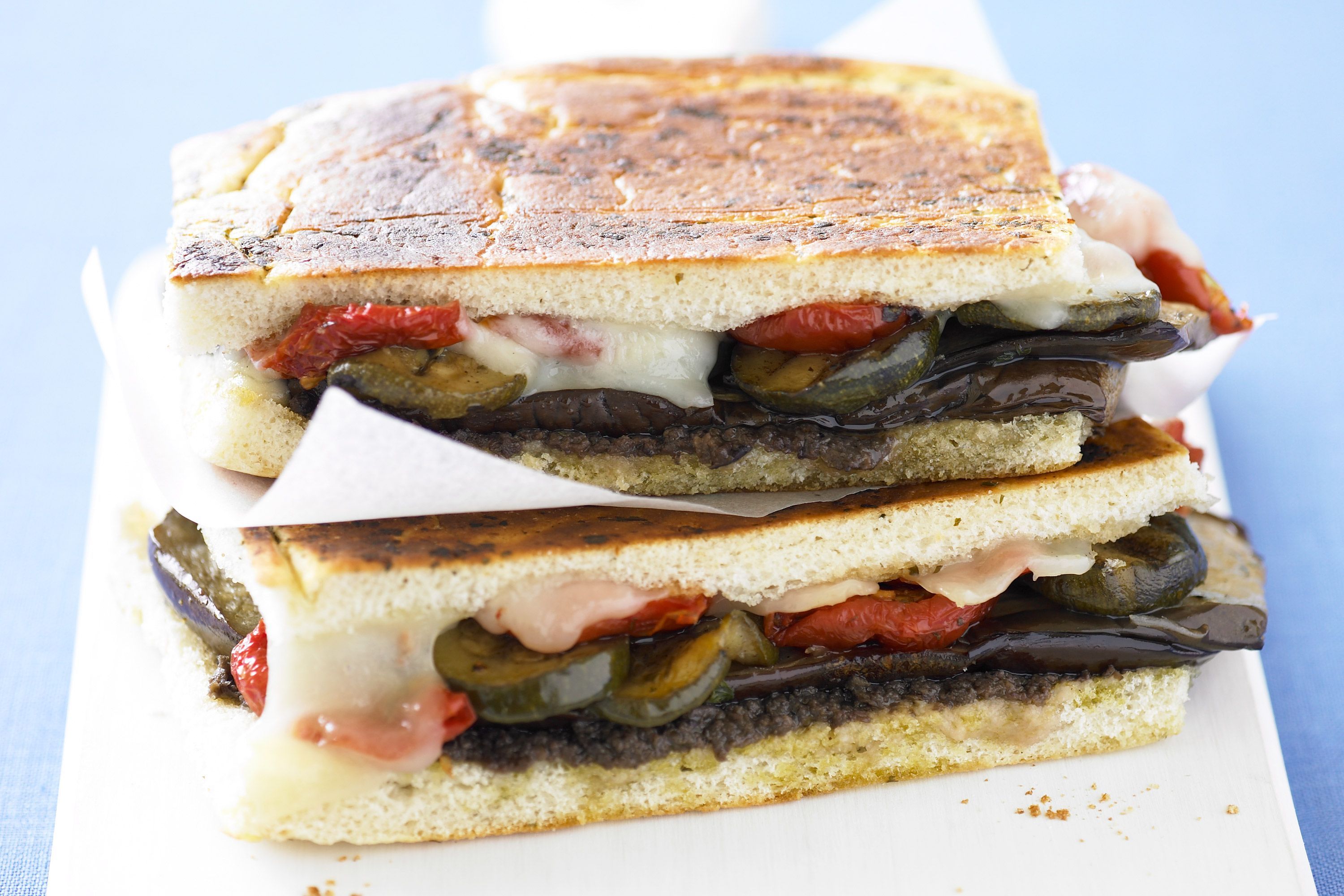
Polytechnique Montreal grades cafeteria dishes from A to F corresponding to equivalent CO2 emissions in kilograms, according to Patrick Cigana of the school's Office of Sustainable Development.
This allows students to check out information about the dishes’ carbon footprint.
Supported by the student body, the project aims to educate and raise awareness, says Cigana.
The study helps students know what is best for the environment.
For example, a meal of meat and potatoes was rated B compared to the D+ given to the vegetable focaccia because of its au gratin cheese.
To calculate the carbon footprint of each dish, a small team of researchers and students at the on-campus International Reference Center for Life Cycle Analysis and Sustainable Transition (CIRAIG) analyzes each of the recipes’ ingredients based on previously compiled databases.
According to Francois Saunier, deputy general manager of CIRAIG, the process starts from the field, from the moment we cultivate the plant until the dish is served in the cafeteria
The calculations include transportation, food waste, and cooking in the cafeteria.
He noted the unexpectedly high carbon footprint of cheese or rice, being major sources of methane emissions.
The food system, including production, packaging, and distribution, - represents the primary source of greenhouse gas emissions at the global level, according to Carole-Anne Lapierre, an agriculture and food systems analyst at Equiterre.
Polytechnique's initiative gives us immense power as consumers because we can make different choices, adds the expert,
The university's pilot experiment is the only one of its kind in Canada, although in 2019 a French university and some British restaurants created menus using a similar idea.







