


 Trump Targets 1,000 U.S. Space Launches Annually by 2030
  ICE to Complete Nationwide Body Camera Rollout by End of August
  U.S. Disrupts China-Linked Hacking Campaign Targeting Government Agencies
  Yindjibarndi Appeals Fortescue Mining Compensation Ruling
  Mercer International Stock Surges 45% on C$20 Million Canada Funding
  Trump Administration Moves to Strip ABA of Law School Accreditor Status
  Countries Tighten Social Media Bans for Children
  Trump Signs Order to Cut Routine Childhood Vaccines
  SK Biopharmaceuticals Secures Global Rights to Biohaven Epilepsy Drug Opakalim
  HP Stock Drops 9% Despite Q3 Earnings Beat and Raised 2026 Outlook
  Trump Administration Plans New Drug Pricing Deals With Biotech Firms
  Meta, U.S. States Discuss Settlement in Teen Addiction Trial
  Judge Blocks Trump Mail Voting Order Ahead of 2026 Midterms
  Trump Administration Pauses Visa Appointments Worldwide
  SoftBank Plans Record $6.3 Billion Bond Sale to Fund OpenAI Investments
  SEC Probes Banks Over Situational Awareness Hedge Fund Collapse
  Salesforce Shares Surge as AI Demand Powers Q2 Earnings Beat


 Add as a preferred source on Google
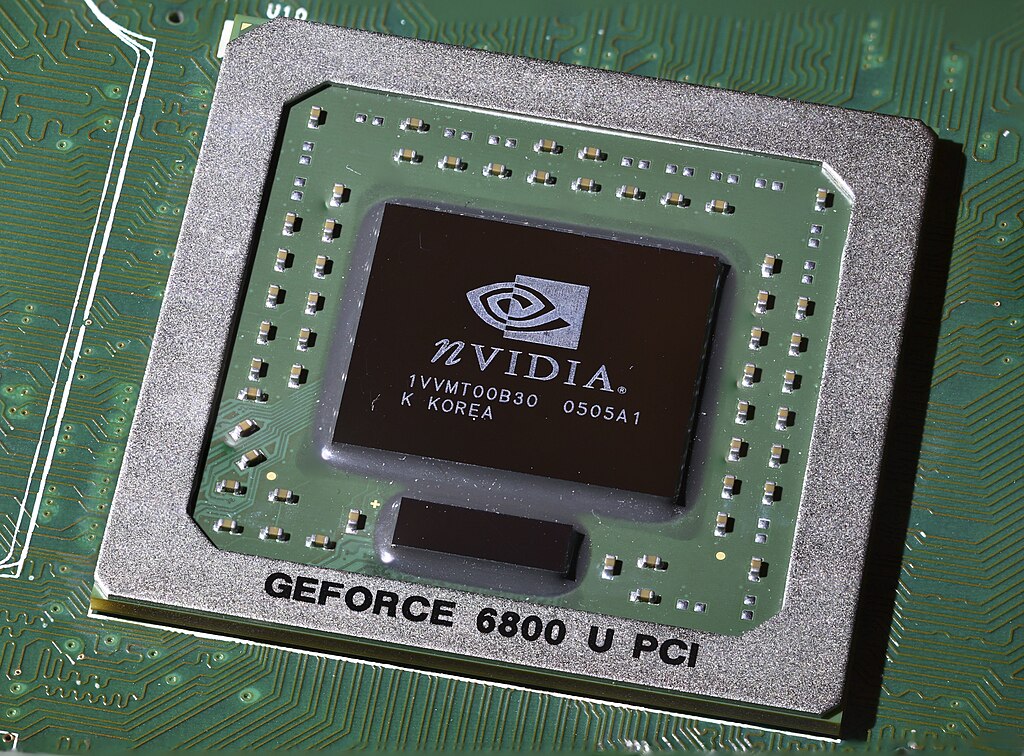
China is preparing new regulatory measures to manage how many advanced artificial intelligence chips domestic companies can purchase from foreign suppliers such as Nvidia, according to a report by Nikkei Asia citing sources familiar with the matter. The move reflects Beijing’s broader strategy to balance strong demand from major technology firms with its long-term goal of strengthening domestic semiconductor capabilities.
Under the proposed framework, Chinese authorities would cap the total volume of high-end foreign AI chips that companies are allowed to buy, rather than imposing an outright ban on such products. This approach signals a more nuanced policy stance, aimed at ensuring continued access to critical computing power while reducing long-term reliance on overseas chipmakers.
The development comes shortly after the United States announced it would allow sales of Nvidia’s advanced H200 AI computing chips to China. These chips are in high demand among leading Chinese technology groups, including Alibaba and ByteDance, as companies race to expand their capabilities in areas such as generative AI, cloud computing, and large language models. Despite growing domestic alternatives, foreign AI chips remain essential for many firms due to their superior performance and mature software ecosystems.
According to the Nikkei Asia report, initial approvals for limited quantities of Nvidia’s H200 chips could be granted as early as the end of this month. Companies seeking approval would need to clearly justify their operational needs, demonstrating how the chips are critical to their business activities. This approval-based system would give regulators greater visibility into how foreign AI chips are being used across the country.
In parallel, Beijing has been holding regular meetings with major technology companies to monitor foreign chip usage and actively encourage the adoption of domestically produced alternatives. These discussions are part of a broader push to support homegrown chipmakers and accelerate China’s self-sufficiency in advanced semiconductor technology.
If implemented, the new rules could reshape China’s AI hardware landscape, influencing procurement strategies for tech giants while underscoring the government’s intent to carefully manage foreign technology dependence without disrupting innovation and growth.







