


 BOJ Signals Faster Rate Hikes as Inflation Risks Grow
  US Dollar Hits Two-Month High as Aussie, Pound Slide
  Gold Prices Slip as High Treasury Yields Weigh on Bullion
  UK Housebuilder Stocks Surge on New First-Time Buyer Loan Scheme
  Asian Currencies Mixed as Yen Weakens, RBA Hike Looms
  Gold Steady as Softer U.S. Inflation Eases Fed Rate Hike Bets
  RBA Hikes Interest Rate to 4.60% as Inflation Risks Rise
  U.S. Stock Futures Steady as AI, Rate Concerns Weigh
  Dollar Eases Near Two-Month High as Yen Rebounds
  Global Central Banks Brace for More Rate Hikes as Inflation Risks Rise
  Asian Stocks Rise as Chipmakers Rally on Micron Earnings
  South Korea Exports Set for 16th Monthly Gain on AI Chip Demand


 Add as a preferred source on Google
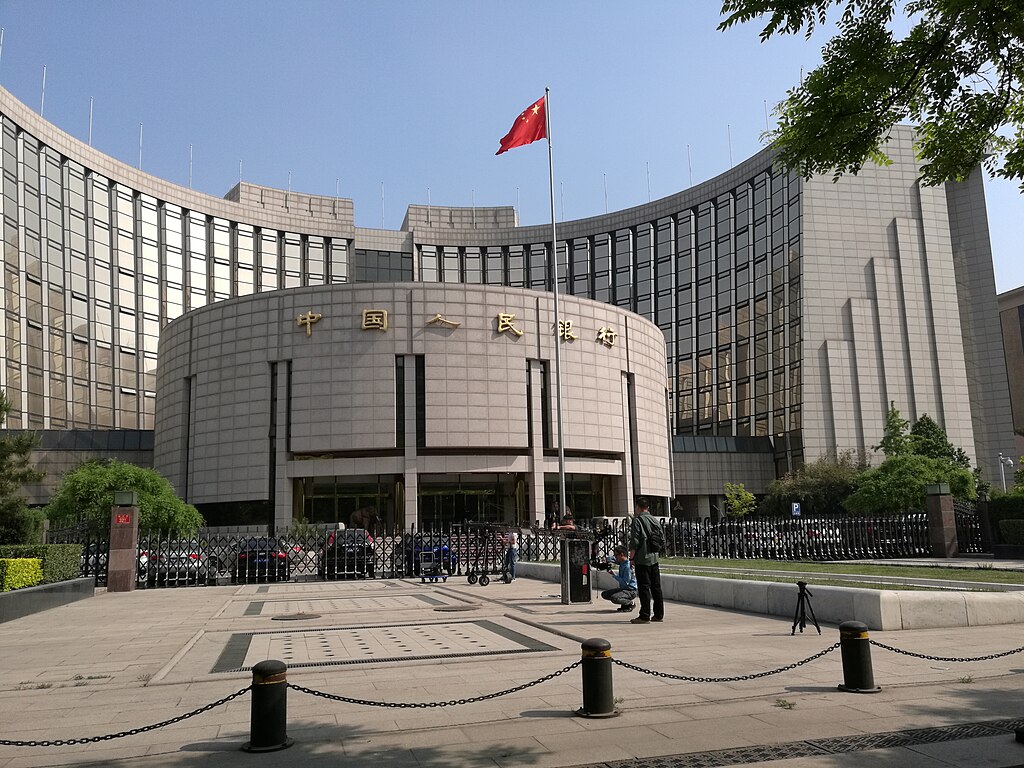
China has lowered its benchmark lending rates for the first time since October, signaling a renewed effort to stimulate its slowing economy. The People's Bank of China (PBOC) cut the one-year loan prime rate (LPR) by 10 basis points to 3.0%, down from 3.1%. The five-year LPR, which is closely tied to mortgage rates, was also reduced by 10 basis points to 3.5% from 3.6%.
These rate cuts come shortly after Beijing unveiled a series of sweeping monetary easing measures aimed at boosting liquidity and supporting growth. The majority of new and outstanding loans in China are linked to the one-year LPR, making this move significant for businesses and consumers alike. The five-year LPR’s reduction is expected to ease mortgage burdens and potentially support China’s struggling real estate sector.
The cuts follow a broader trend of economic stimulus as Chinese authorities seek to counteract the impact of persistent trade tensions with the United States and a challenging global economic environment. Earlier this month, the central bank implemented major liquidity injections to shore up market confidence and increase credit availability.
Investors are closely watching Beijing's next steps, as weak domestic demand and global headwinds continue to pressure the world’s second-largest economy. By adjusting interest rates, the PBOC aims to encourage lending, stabilize markets, and support long-term economic recovery.
The policy shift highlights China's commitment to proactive monetary policy as it grapples with complex challenges, including the fallout from U.S.-China trade disputes and structural weaknesses within the domestic economy. With global markets responding to China’s monetary stance, further easing may follow if growth remains under pressure.







