


 XRP Price Targets $1.70 as Bullish Momentum Builds
  Asian Stocks Fall as Bond Yields and Oil Prices Surge
  UK Housebuilder Stocks Surge on New First-Time Buyer Loan Scheme
  US Stocks Slip as Treasury Yields Ease, AI Trade Rebounds
  Asian Currencies Mixed as Yen Weakens, RBA Hike Looms
  Japan Warns Markets Over Yen Weakness
  Yen in Focus as BOJ, Fed Rate Hikes Reshape Currency Markets
  US Dollar Hits Two-Month High as Aussie, Pound Slide
  U.S. Stock Futures Fall as Iran, Oil and AI Risks Rattle Markets
  RBA Set for September Rate Hike as Inflation Stays High
  China, US Extend Trade Truce Through January 10 After Trump-Xi Summit
  Fed’s Williams Signals One More Rate Hike Before Year-End


 Add as a preferred source on Google
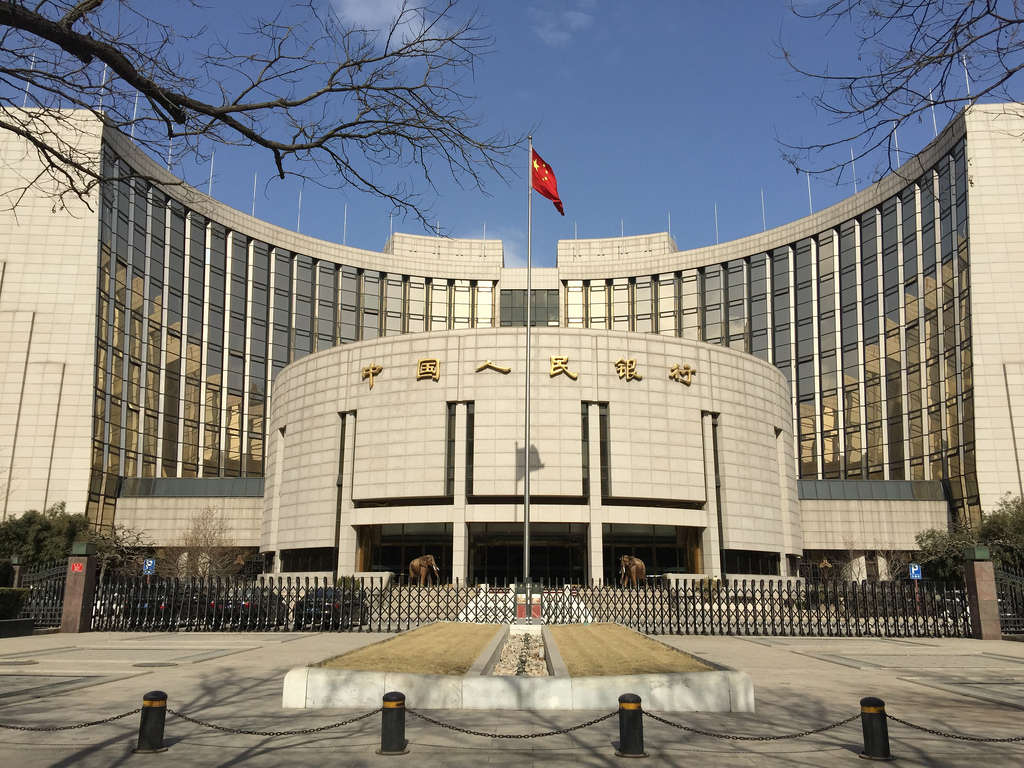
China has once again kept its benchmark lending rates unchanged, extending the pause in monetary policy adjustments to a seventh consecutive month in December, in line with broad market expectations. The People’s Bank of China (PBOC) announced on Monday that the one-year loan prime rate (LPR) was maintained at 3.00%, while the five-year LPR, which plays a critical role in mortgage pricing, remained steady at 3.50%.
The decision was widely anticipated by investors and analysts. In a Reuters survey conducted last week involving 25 market participants, all respondents predicted that Chinese policymakers would leave both key lending rates unchanged. The unanimous expectation highlights a strong consensus that authorities are currently prioritizing stability over aggressive easing or tightening measures.
The one-year LPR serves as the benchmark for most new and existing loans in China, directly affecting corporate borrowing costs and short-term financing for businesses. Meanwhile, the five-year LPR has a significant impact on the real estate sector, as it influences the pricing of long-term mortgages. By keeping both rates steady, policymakers appear to be balancing the need to support economic growth while avoiding excessive stimulus that could fuel financial risks.
China’s economy has faced multiple headwinds in recent months, including weak property market activity, subdued consumer confidence, and slower global demand. Despite these challenges, the central bank has taken a cautious approach, opting to rely on targeted policy tools rather than broad interest rate cuts. This strategy suggests that authorities may be waiting for clearer signs of economic recovery before making further adjustments.
The unchanged loan prime rates also signal an effort to maintain currency stability and manage capital flows at a time when global interest rate environments remain uncertain. For borrowers and investors, the decision provides short-term predictability, particularly in sectors sensitive to financing costs such as property and infrastructure.
Overall, China’s move to hold benchmark lending rates steady reflects a measured policy stance aimed at supporting gradual economic stabilization while preserving financial balance in a complex and evolving economic landscape.







