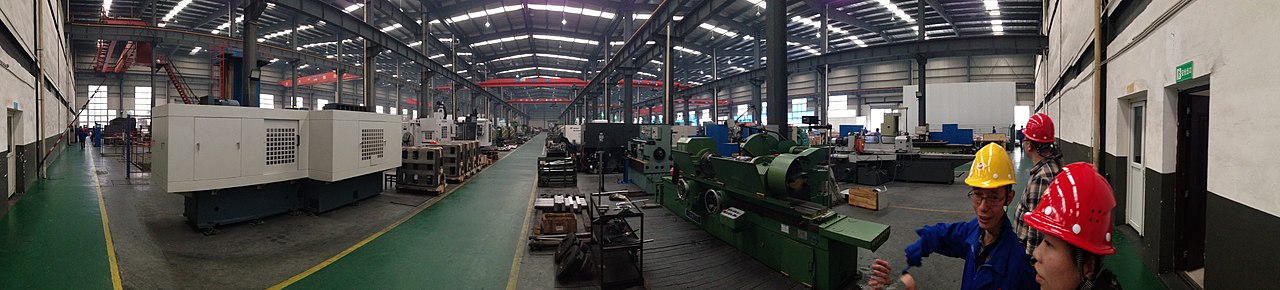
China’s manufacturing sector contracted for a second straight month in May, as businesses continued to feel the pinch from high U.S. trade tariffs. The official manufacturing Purchasing Managers’ Index (PMI) came in at 49.5, slightly above April’s 49 but still below the 50 mark, signaling ongoing contraction.
Factories faced weakening export demand, particularly from the U.S., where tariffs continue to impact Chinese goods. A partial tariff deescalation agreed to in mid-May offered limited short-term relief, failing to significantly boost manufacturing activity.
China’s non-manufacturing PMI also disappointed, reading 50.3 in May versus 50.4 the previous month and missing forecasts of 50.6. The services sector, while more resilient, remains pressured by sluggish domestic spending and underwhelming stimulus efforts. These challenges have steadily dampened consumer demand.
The composite PMI, which includes both manufacturing and non-manufacturing sectors, edged up to 50.4 from 50.2 in April—an improvement, though still reflective of weak momentum. The broader Chinese economy continues to battle deflationary pressures, muted investment, and soft consumer sentiment.
The prolonged trade dispute with the U.S. has added strain to an economy already struggling to recover post-pandemic. Despite some easing in tariffs, Chinese firms are yet to see a rebound in global demand. Investors now anticipate Beijing will introduce more targeted fiscal stimulus to stabilize growth, but concrete measures remain limited.
With external headwinds and internal weaknesses persisting, China’s near-term economic outlook remains uncertain. Markets are watching closely for stronger policy action to revitalize momentum in the world’s second-largest economy.