China is developing a new rare earth export licensing system that could accelerate shipments but is unlikely to represent a full rollback of restrictions, according to industry insiders. The Ministry of Commerce has informed select exporters that they will soon be able to apply for streamlined permits, signaling a partial easing of the export curbs that have strained global supply chains.
China currently dominates more than 90% of the world’s processed rare earths and magnet production—essential materials for electric vehicles, smartphones, and military technology. The export restrictions, introduced in April and expanded in October, required exporters to apply for licenses for each shipment, creating delays that disrupted industries worldwide. The curbs also gave Beijing a powerful trade leverage tool amid its ongoing tensions with Washington.
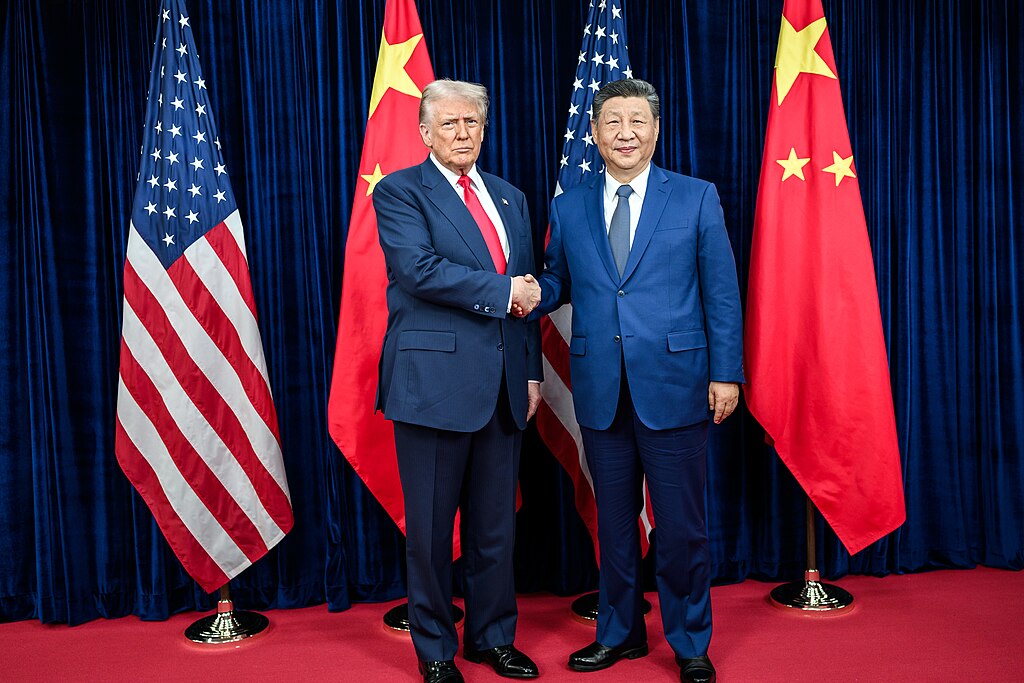
After a recent agreement between Presidents Xi Jinping and Donald Trump, Beijing announced it would pause some restrictions for one year. The White House interpreted this as an effective end to China’s export controls, citing plans for “general licenses.” However, sources close to the matter say the new permits will still maintain oversight and limitations, especially for companies linked to defense and sensitive technologies.
The proposed general licenses would be valid for one year and could allow higher export volumes. Exporters are now preparing documentation that demands more detailed information from customers. While some companies expect further clarity before year-end, others report no official notice of the change.
Despite the potential easing, the new system is not expected to remove all export barriers. Of the 2,000 rare earth export applications submitted by EU firms since April, only about half have been approved. As discussions continue, the global market remains cautious, awaiting how China’s new rare earth policy will reshape supply chains and trade relations.