China and Taiwan are engaged in a renewed war of words as Beijing pushes back against Taiwanese President Lai Ching-te’s remarks asserting Taiwan’s sovereignty. Lai has repeatedly stated that Taiwan is “of course a country,” challenging Beijing’s claims that Taiwan is part of China. In a series of speeches aimed at national unity, Lai emphasized that Taiwan’s future must be determined democratically by its people—not dictated by external powers.
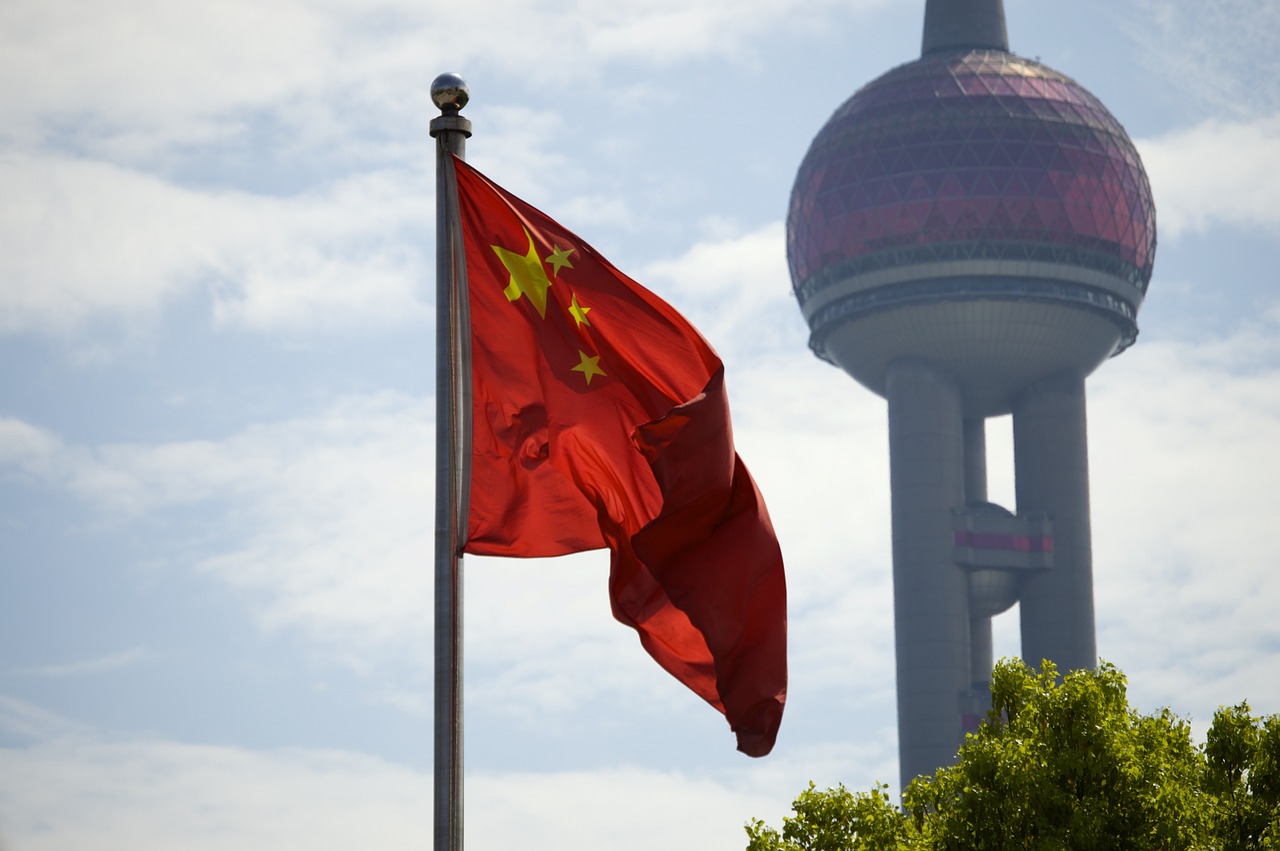
In response, China’s Taiwan Affairs Office spokesperson Zhu Fenglian reiterated Beijing’s stance, declaring that “Taiwan is a part of China,” and claimed there can be no talk of “invasion” when China operates on its own territory. Zhu warned that any pro-independence moves by Lai’s administration would trigger “resolute countermeasures.”
China has increased military pressure on the island, with daily air and naval operations near Taiwan and frequent war games—the most recent held in April. The tensions raise concerns of a possible future conflict that could destabilize the region.
Lai countered China’s historical narrative, pointing out that the Republic of China—Taiwan’s official name—was founded over a century ago, predating the People’s Republic of China. Taiwan’s Defence Minister Wellington Koo also accused Beijing of trying to distort history, asserting that it was the Republic of China that led the resistance against Japan during World War Two, not the PRC.
A fresh controversy looms over Beijing’s invitation to ROC veterans to attend a military parade marking the 80th anniversary of World War Two’s end. Taiwan opposes their participation, calling it a political maneuver.
The latest developments deepen the geopolitical divide and highlight the competing historical and political narratives between Taipei and Beijing. The U.S. has expressed concern over China’s increased military activity, viewing it as preparation for a potential conflict.