


 Asian Stocks Rise as Chipmakers Rally on Micron Earnings
  Nasdaq Futures Jump as Micron Earnings Boost AI Trade
  AI Agents Could Disrupt Financial Services, Bernstein Says
  Gold Prices Slip as High Treasury Yields Weigh on Bullion
  South Korea Exports Surge 83.5% on AI Chip Boom
  G20 Divided Over US Push to Curb Industrial Overcapacity
  Scope Warns US Debt Could Hit 160% of GDP
  IMF Says Global Bond Markets Remain Orderly Despite Yield Surge
  Oil Prices Steady as Middle East Crude Flows Recover
  Dollar Eases Near Two-Month High as Yen Rebounds
  Fed’s Hammack Says More Data Needed Before Next Rate Move
  Asian Stocks Mixed as Markets Await U.S. Jobs Data
  Gold Steady as Softer U.S. Inflation Eases Fed Rate Hike Bets
  India Manufacturing Growth Hits Seven-Month High in September
  Asian Currencies Mixed as Yen Slides on BOJ Rate Signals
  Middle East Oil Exports Recover as Tanker Costs Surge


 Add as a preferred source on Google
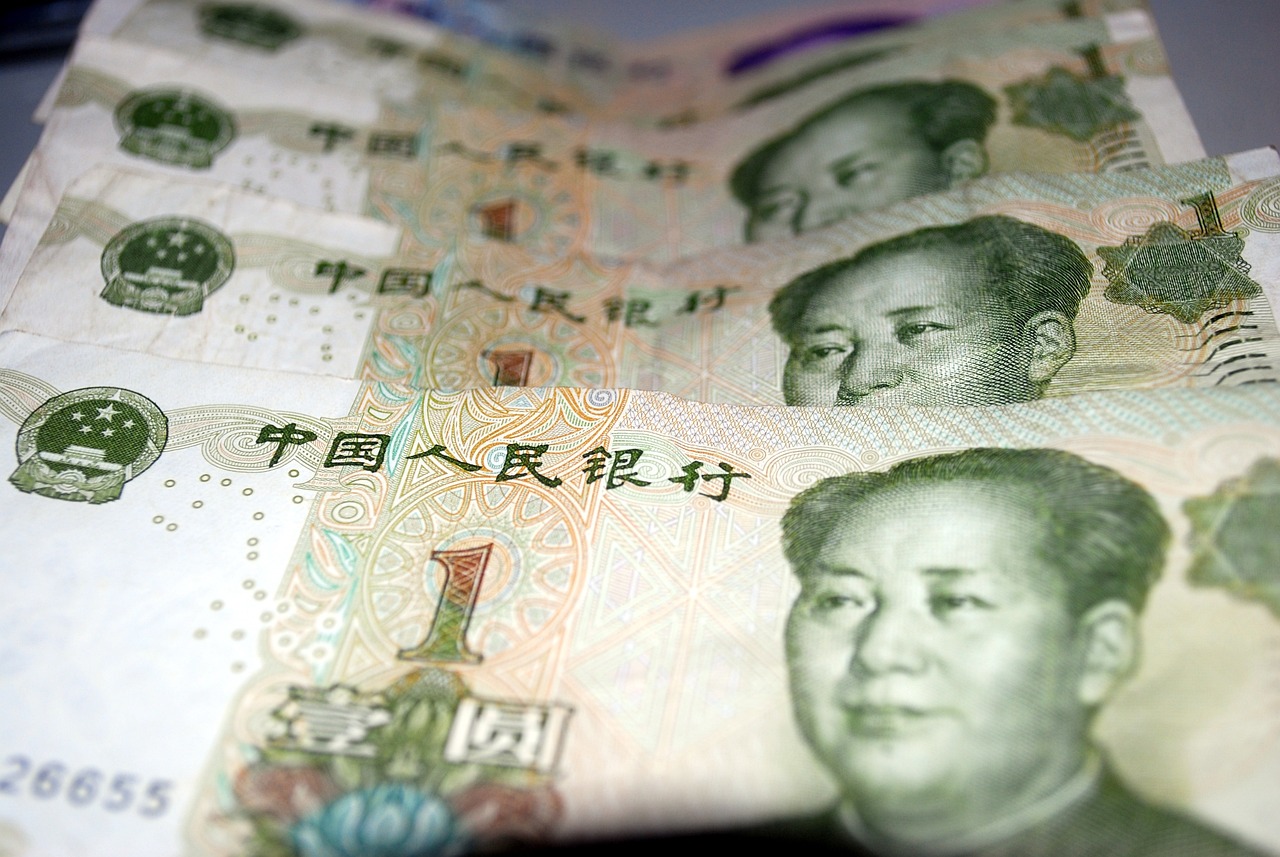
China’s Economic Stimulus: A Comprehensive Plan
China is set to bolster its struggling economy by potentially raising an additional 6 trillion yuan ($850 billion) through special treasury bonds over the next three years. This strategy aims to enhance fiscal stimulus, as reported by Caixin Global on October 14, 2024.
Increased Debt to Stimulate Growth
Finance Minister Lan Foan announced that Beijing will significantly increase its debt to stimulate economic activity. While this declaration has ignited investor interest, the lack of specifics on the size and timing of these measures has led to disappointment. In September 2024, it was reported that China plans to issue 2 trillion yuan ($285 billion) in special sovereign bonds this year as part of its fiscal strategy.
Economic Concerns and Growth Targets
Recent economic data, including trade and lending figures, have raised concerns that China may not meet its growth target of approximately 5% for the year. The property sector's downturn since 2021 has severely impacted local government revenues, revealing an overreliance on land sales to developers for income.
Market Reactions and Expectations
Chinese stock markets initially surged on speculation about the fiscal package but experienced a setback due to the absence of clear details. Analysts believe that the proposed 6 trillion yuan in debt could stabilize economic growth, enhancing the likelihood of achieving the government’s growth targets for 2024 and 2025. Bruce Pang, chief China economist at Jones Lang LaSalle, stated that such measures would significantly increase the probability of reaching the desired growth rate.
Strategic Use of Funds
The anticipated funds are expected to assist local governments in managing off-the-books debts, provide subsidies to low-income households, support the property market, and replenish state bank capital. At the annual parliamentary meeting in March 2024, Premier Li Qiang indicated that ultra-long-term treasury bonds would be issued to fund significant national projects. China's current plans involve issuing 1 trillion yuan in such bonds this year, with expectations for an increase at upcoming legislative meetings.







