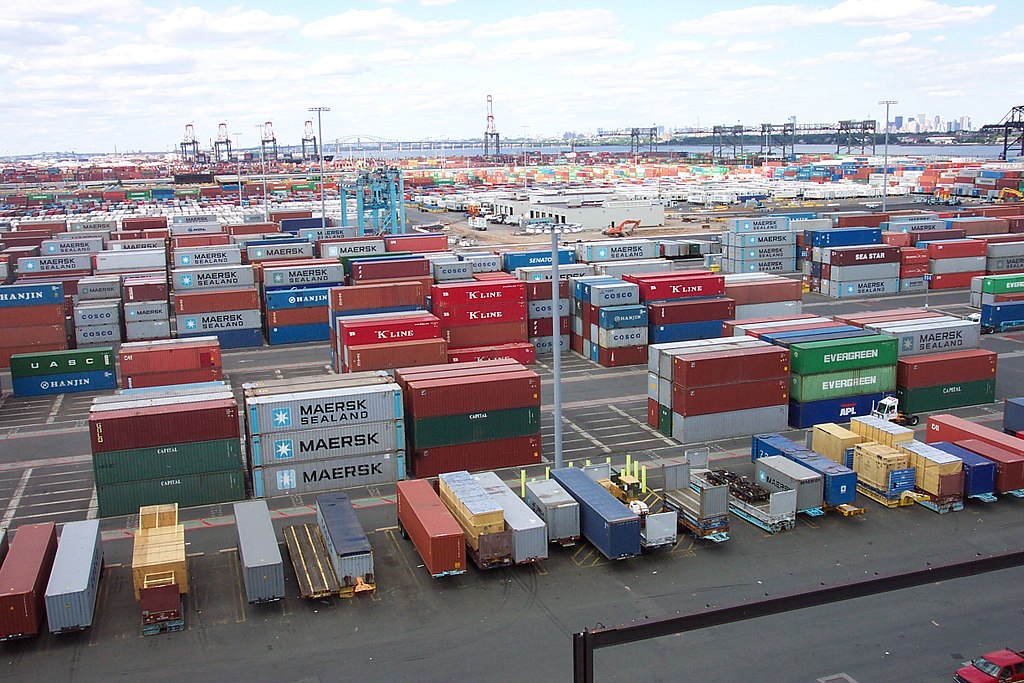
China’s foreign trade delivered an unexpected boost in September, with both exports and imports surpassing market expectations, underscoring the country’s resilience amid global headwinds and soft domestic demand.
According to customs data released Monday, China’s trade surplus narrowed to $90.45 billion, falling short of forecasts of $98.96 billion and down from $102.33 billion in August. The contraction came as imports rose sharply, signaling stronger inbound demand for raw materials and goods.
Exports in U.S. dollar terms surged 8.3% year-on-year, outperforming analyst projections of a 6.0% gain and improving from August’s 4.4% increase. Imports also climbed 7.4%, far exceeding the anticipated 1.5% growth and reversing the previous month’s modest 1.3% expansion.
The upbeat trade data highlights China’s robust external sector performance, even as other economic indicators—such as retail sales, fixed-asset investment, and manufacturing activity—reflect persistent domestic weakness. To mitigate pressure from U.S. tariffs, Chinese exporters are diversifying markets, increasingly focusing on Southeast Asia, Africa, and India, reducing reliance on the United States.
However, rising trade tensions may limit future gains. Last week, U.S. President Donald Trump escalated the dispute by threatening to impose 100% tariffs on Chinese goods, prompting Beijing to vow retaliation if implemented. Such moves could disrupt trade flows and weigh on global supply chains.
While the strong September trade figures may encourage Chinese policymakers to hold off on aggressive monetary or fiscal stimulus, sustained momentum will depend on the stability of global demand and the trajectory of international relations.
Overall, China’s latest trade performance offers a rare bright spot for its slowing economy, but uncertainties surrounding global trade policy continue to pose significant risks to future growth.