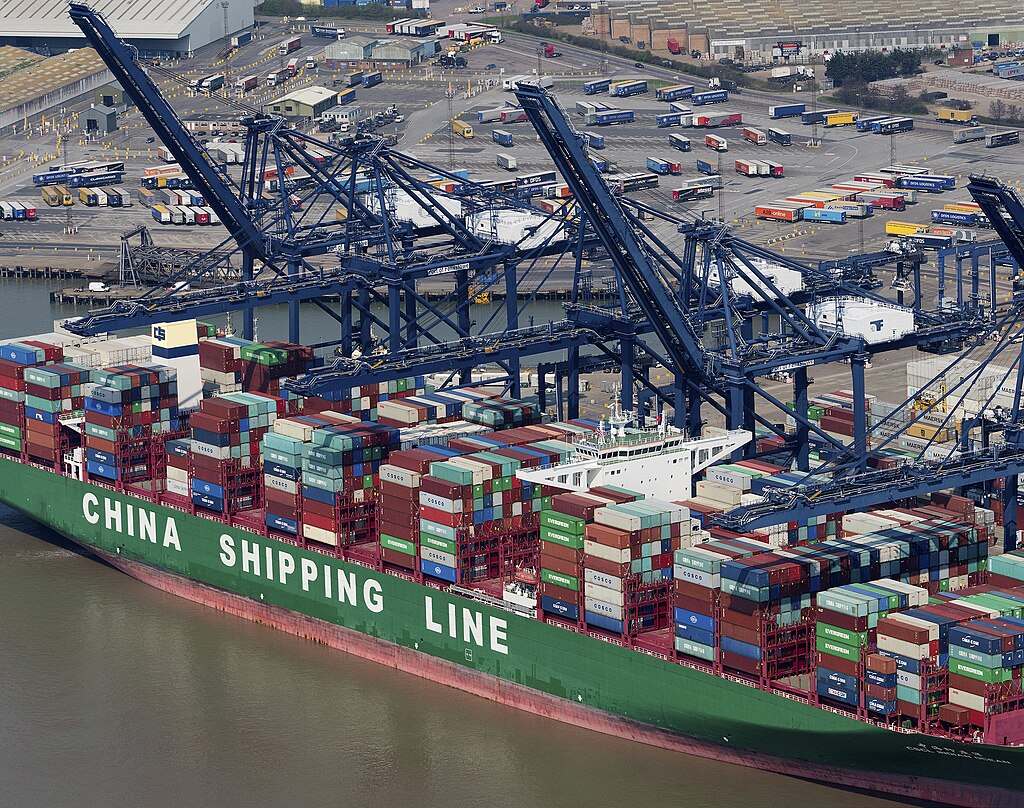
China’s trade surplus surged to $172.5 billion in the first two months of 2025, far surpassing the projected $143.1 billion. The unexpected 8.4% drop in imports, driven by weak domestic demand and escalating U.S.-China trade tensions, played a key role in widening the gap.
Exports rose just 2.3% year-on-year, falling short of the anticipated 5% growth and a steep decline from December’s 10.7% jump. The slowdown coincided with new U.S. tariffs imposed by President Donald Trump, starting at 10% in February and later increasing to 20%. In retaliation, Beijing levied 10%-15% tariffs on U.S. agricultural products, further straining trade relations.
China’s weaker import demand reflects sluggish consumer spending and industrial activity, compounded by rising protectionist policies. However, analysts anticipate a potential rebound as Beijing implements fresh economic stimulus measures during its annual parliamentary session.
With global trade uncertainties and mounting geopolitical pressures, investors and businesses are closely watching China’s next moves to stabilize growth and counter economic headwinds.