Four of China’s five largest state-owned banks have increased provisions against bad debt to prepare for future losses due to the impact of the pandemic.
All five suffered the biggest profit losses in at least a decade and an increase in soured loans.
The results highlight the economic slowdown on Chinese banks after bucking the first-quarter global trend with steady bad loans and higher profits.
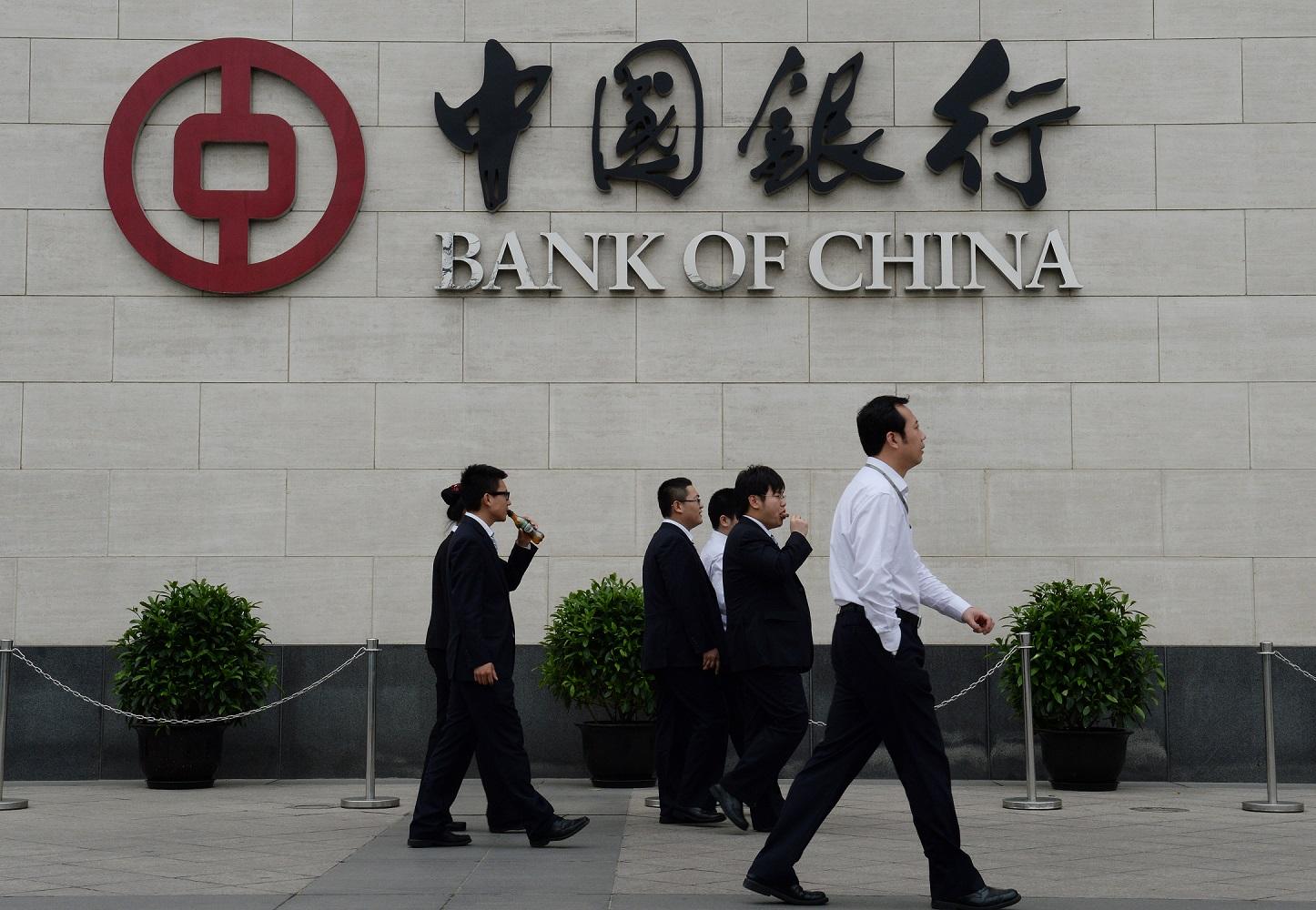
Bank of China Ltd's (BoC) net interest margins (NIM) improved slightly to 1.82 percent from 1.8 percent three months earlier.
However, the NIM at Industrial and Commercial Bank of China (ICBC), Bank of Communications Co Ltd (BoCom), China Construction Bank Corp (CCB), and AgBank.
ICBC is the world’s largest commercial lender by assets.
Agricultural Bank of China Ltd's (AgBank) NIM dipped 2.14 percent at the end of June from 2.17 percent at the end of March, while ICBC narrowed it to 1.98 percent at the end of the second quarter, from 2.2 percent at the first.
All five banks saw its non-performing loan (NPL) ratios increase during the period, with ICBC's up to 1.5 percent by the end of June from 1.43 percent from the previous three months, and that of CCB increasing by 0.07 percent in the second quarter to 1.49 percent.
By the end of the second quarter, the average NPL ratio for commercial banks was at 1.94 percent, the highest since 2009.
Overall, Chinese commercial banks suffered a 9.4 percent plunge in first-half net profit to $146 billion.
BoCom, the most international of China’s large state banks, said it had boosted “provisions to counter the future impact of the pandemic” and would keep guarding against global financial market risks in the second half.
AgBank said “the lagging impact of the epidemic and the risk of uncertainty are expected to be further transmitted to the banking industry,” in its half-year results on Sunday.
CCB and BoC announced plans to assess credit risks and up provisions.