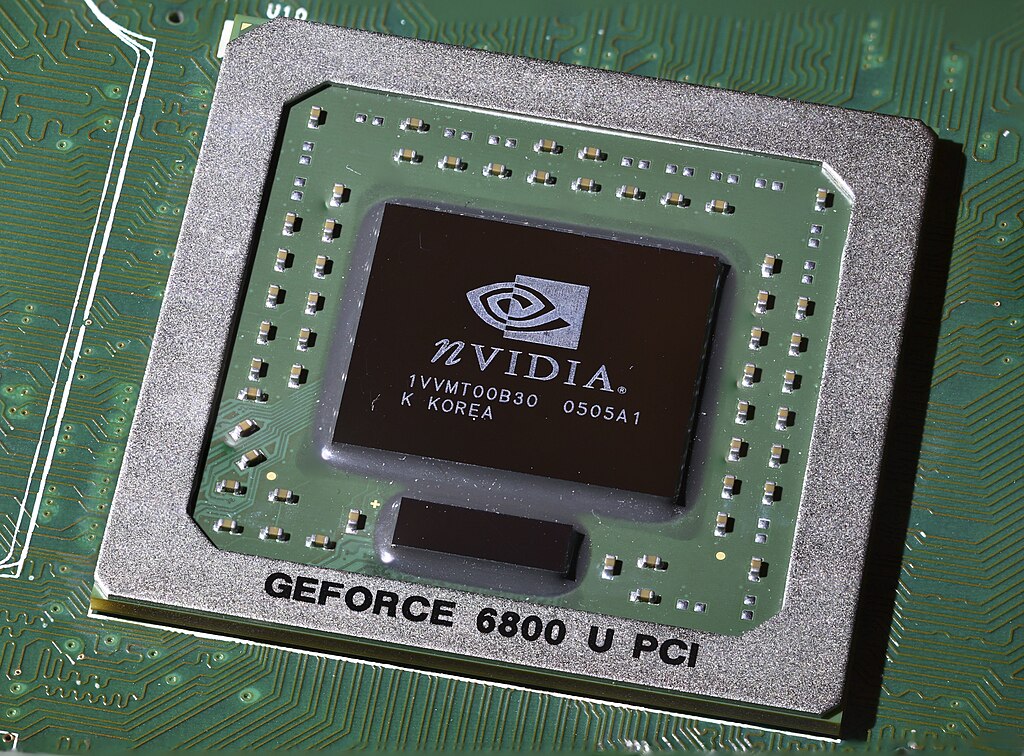
Chinese chipmaking stocks fell on Monday after reports surfaced that the Donald Trump administration was weighing whether to permit Nvidia to sell its advanced H200 artificial intelligence chip in China. The potential policy shift immediately stirred concerns among investors about increased competition for domestic semiconductor firms.
Semiconductor Manufacturing International Corp., China’s largest contract chipmaker, dropped as much as 7% in Hong Kong trading. AI chip designer Cambricon Technologies initially fell more than 2% before rebounding later in the session. Other major chip stocks moved unevenly, with Hua Hong Semiconductor sliding nearly 6%, while NAURA Technology Group gained about 2.6%. The broader Hang Seng chipmakers index edged down around 0.1%.
Market reaction was driven by a report released Friday indicating that U.S. officials were internally debating the possibility of approving Nvidia’s H200 chip for the Chinese market. The H200, launched two years ago, is considered significantly more powerful than the H20—currently the most advanced Nvidia AI chip legally sold in China. Although the H20 faced temporary export restrictions earlier this year, Washington later relaxed those limits as part of a broader trade agreement with Beijing.
Allowing H200 sales in China could reshape the competitive landscape. Analysts warn that access to a more capable Nvidia chip could shift demand away from Chinese chipmakers working to close the gap in AI processing technology. Such a move could also hinder Beijing’s long-term strategy to strengthen domestic self-sufficiency in semiconductors and artificial intelligence.
Despite the market’s reaction, reports emphasized that no immediate decision is expected. The discussions come at a time when U.S. lawmakers continue pushing for stricter limits on high-end chip exports. The bipartisan GAIN AI Act aims to require U.S. chipmakers to prioritize domestic buyers before receiving approval to supply China.
China, meanwhile, has criticized U.S. export controls and accelerated efforts to build a fully independent chip and AI ecosystem.