Chinese EV brands Neta and Zeekr are under scrutiny for inflating sales figures by insuring vehicles before they were sold to consumers, allowing them to prematurely record sales. According to documents reviewed by Reuters and interviews with dealers and buyers, Neta pre-booked sales for over 64,700 vehicles—more than half its reported total from January 2023 to March 2024.
This practice, common in China's highly competitive auto market, exploits how sales are tracked: automakers report wholesale numbers to industry bodies, while actual sales to consumers are recorded through mandatory traffic insurance registrations. Vehicles insured but unsold are known as "zero-mileage used cars." The strategy helps manufacturers meet aggressive targets but misleads investors and buyers.
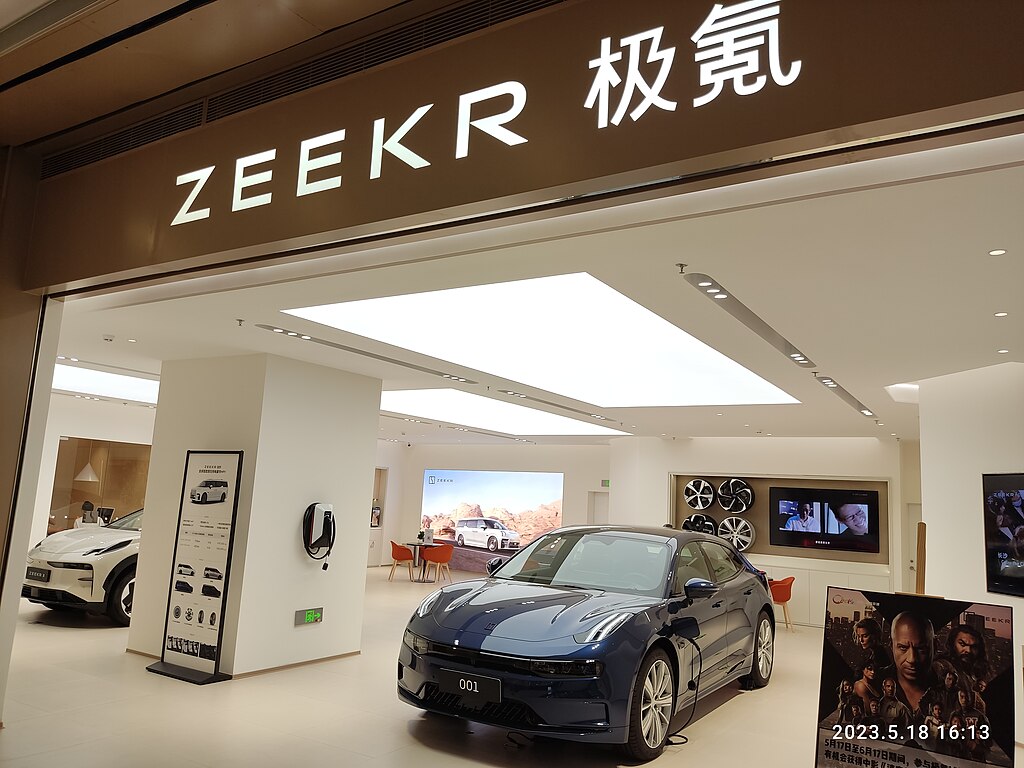
Zeekr, a premium EV brand under Geely, reportedly employed the same tactic in Xiamen through state-owned dealer Xiamen C&D. Sales data showed an unusual spike in December, with 2,737 vehicles sold—14 times the monthly average. Yet local vehicle registration records showed only 271 license plates issued that month, highlighting a major discrepancy.
Neta allegedly began this practice in late 2022 to qualify for expiring EV subsidies. Dealers received pre-insured vehicles and were instructed to count them as sold, regardless of whether they reached actual buyers. Some buyers later discovered their insurance had started before purchase and expired early.
China’s central government and state media have condemned the practice, prompting regulatory discussions. The Ministry of Industry and Information Technology is considering a six-month resale ban on newly registered vehicles to prevent such manipulation.
Geely denied wrongdoing, though Zeekr acknowledged some cars were insured for showroom use and pledged to investigate. Industry analysts warn that artificially inflating sales harms consumer trust and distorts market data, urging transparency amid the ongoing EV price war and overcapacity crisis in China.