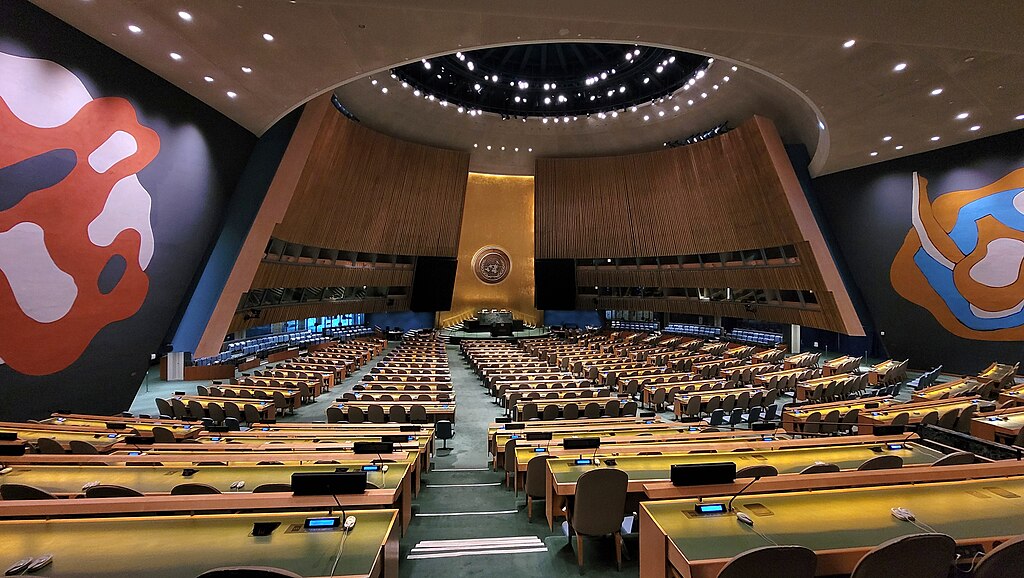
Over 1,000 civil society representatives gathered in Seville for a UN conference on financing for development, but many left disillusioned and unheard. The summit, intended to address a $4.3 trillion gap in development funding, ended with widespread frustration, particularly from Global South delegates and NGOs who criticized the lack of inclusivity and weak outcomes.
The four-day conference, seen as a pivotal moment to mobilize resources for tackling debt, climate change, and inequality, fell short of expectations. Wealthy nations were accused of watering down the final agreement, dubbed the "Seville Commitment," and favoring private sector-led solutions over meaningful public investment. Aid cuts, growing military budgets, and geopolitical tensions further undermined confidence in the summit's impact.
CSO leaders expressed disappointment with limited access to negotiations, bureaucratic accreditation hurdles, and restricted civic space. A protest was staged on the final day in response to these grievances. Oyebisi Babatunde Oluseyi of the Nigeria Network of NGOs said civil society voices were systematically excluded and called for new mechanisms to ensure meaningful participation.
While some proposals, like taxing the ultra-rich and introducing levies on private jets, received praise, critics said they were not enough to counterbalance the summit’s broader shortcomings. ActionAid’s Arthur Larok remarked that Global South nations left "empty-handed," while Global North leaders shirked their responsibilities.
UN Deputy Secretary General Amina Mohammed acknowledged the criticism and pledged to expand civil society engagement. Oxfam’s Hernan Saenz warned that a shrinking civic space threatens the UN’s legitimacy.
Despite deep dissatisfaction, many NGOs reaffirmed their commitment to the UN system. Hirotaka Koike of Japan NGO Center for International Cooperation noted it remains the only platform where every country has an equal voice, adding, “What else do we have?”