


 Parasites are ecological dark matter – and they need protecting
  SpaceX Prioritizes Moon Mission Before Mars as Starship Development Accelerates
  Neuralink Expands Brain Implant Trials with 12 Global Patients
  Unsustainable – or manageable? We don’t yet know how data centres will impact Australia’s environment
  SpaceX Delays Starship V3 Launch Ahead of Potential Record IPO
  Eli Lilly’s Inluriyo Gains FDA Approval for Advanced Breast Cancer Treatment
  SpaceX Pivots Toward Moon City as Musk Reframes Long-Term Space Vision
  Senate Sets December 8 Vote on Trump’s NASA Nominee Jared Isaacman
  How to create a thriving forest, not box-checking ‘tree cover’
  FDA Adds Fatal Risk Warning to J&J and Legend Biotech’s Carvykti Cancer Therapy
  Tabletop particle accelerator could transform medicine and materials science
  How is Antarctica melting, exactly? Crucial details are beginning to come into focus
  Swimming in the sweet spot: how marine animals save energy on long journeys


 Add as a preferred source on Google
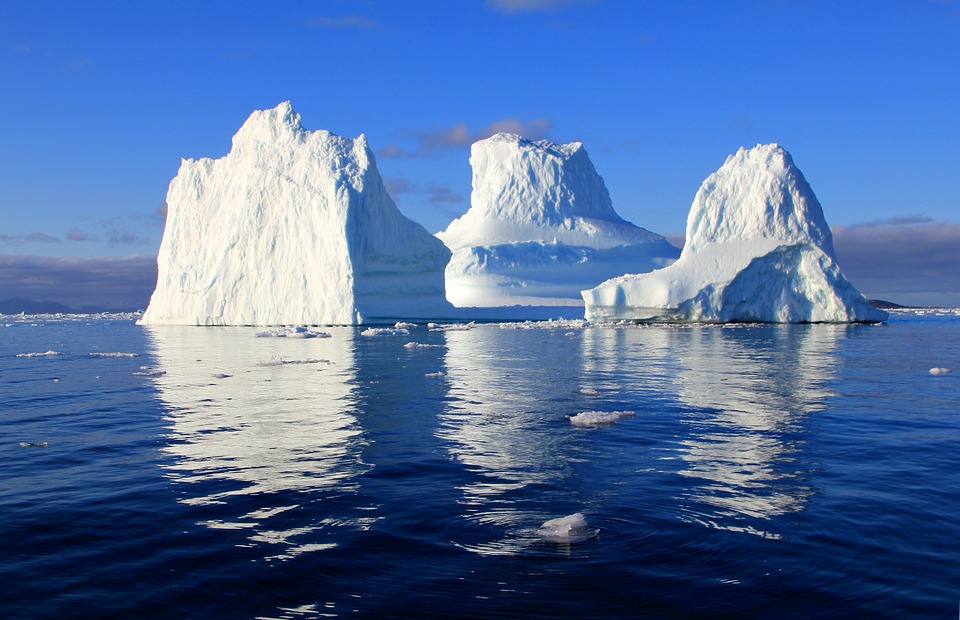
Aside from an ongoing pandemic, the issue of climate change is something many scientists and activists are trying to find a solution to. However, the global circumstances appear to paint a bleak picture as a new study found that the ice loss rate of Greenland’s ice sheet can potentially outdo the rate of the past 12,000 years.
A study that was published in the journal Nature by researchers, Dr. Jason Briner from the University of Buffalo College of Arts and Sciences and his team, compared the current ice loss rate of the ice sheet in Greenland to simulations going all the way back 12,000 years. The findings of their study note just how bad climate change and global warming has gotten and how worse it can still get over the years to come.
“Basically, we’ve altered our planet so much that the rates of ice sheet melt this century are on pace to be greater than anything we’ve seen under natural variability of the ice sheet over the past 12,000 years,” said Dr. Briner. “We’ll blow that out of the water if we don’t make severe reductions to greenhouse gas emissions.”
Dr. Briner went on to note how important it is for humanity to stop with greenhouse gas emissions now. He also cited how countries like the United States, which lead the world in carbon dioxide emissions, need to cut down on an “energy diet.” Dr. Briner noted how the wealthiest Americans could afford to make lifestyle changes to reduce energy footprints such as installing solar panels, drive energy-efficient vehicles, and cut down on air travel.
As we are heading into a warming planet, climate change in the past once had the opposite effect on the world. New research by scientists from the Technical University of Munich reveals proof that a supernova that happened close to the Sun and Earth, and with this supernova, they believe that it might have set off an ice age on the planet through cosmic rays that have hit the Earth for years following the supernova.
With the cosmic rays hitting the Earth, it results in more cloud formations, which will lead to a drop in temperature. “Perhaps there is a link to the Pleistocene epoch, the period of the Ice Ages, which began 2.6 million years ago,” said the study’s co-author Dr. Thomas Faestermann.







