


 Australia Tightens Student Visa Rules, Targets Migration Cut by 2028
  US Confirms Weapons in Orbit as Space Tensions Rise
  Ukraine Races to Counter Russia’s Faster Jet-Powered Drones
  Trump Hopes Iran War Nears End as Yemen Fighting Escalates
  New Zealand Labour Backs Social Media Ban for Under-16s
  Guterres Urges Stronger Global AI Safeguards Ahead of UN Assembly
  US Allies Fear Trump Could Soften Taiwan Stance in Xi Talks
  ICE Agent Arrested in Minneapolis Over Venezuelan Man Shooting
  U.S. Issues Cuba Health Alert as Illnesses Rise
  US-China Experts Push AI Nuclear Safeguards to Prevent Military Escalation
  US Officials Meet Houthis in Oman Amid Yemen Offensive
  Saudi Arabia Shuts East-West Oil Pipeline After Drone Attack
  North Korea Vows to Expand Nuclear Arsenal Amid U.S.-Led Military Buildup
  South Korea’s Cho Hyun to Meet Rubio in Washington
  Europe can’t achieve space sovereignty alone. Here’s why
  US Judge Dismisses Imran Ahmed Deportation Lawsuit
  Australia Defends Social Media Algorithm Law Amid US Concerns


 Add as a preferred source on Google
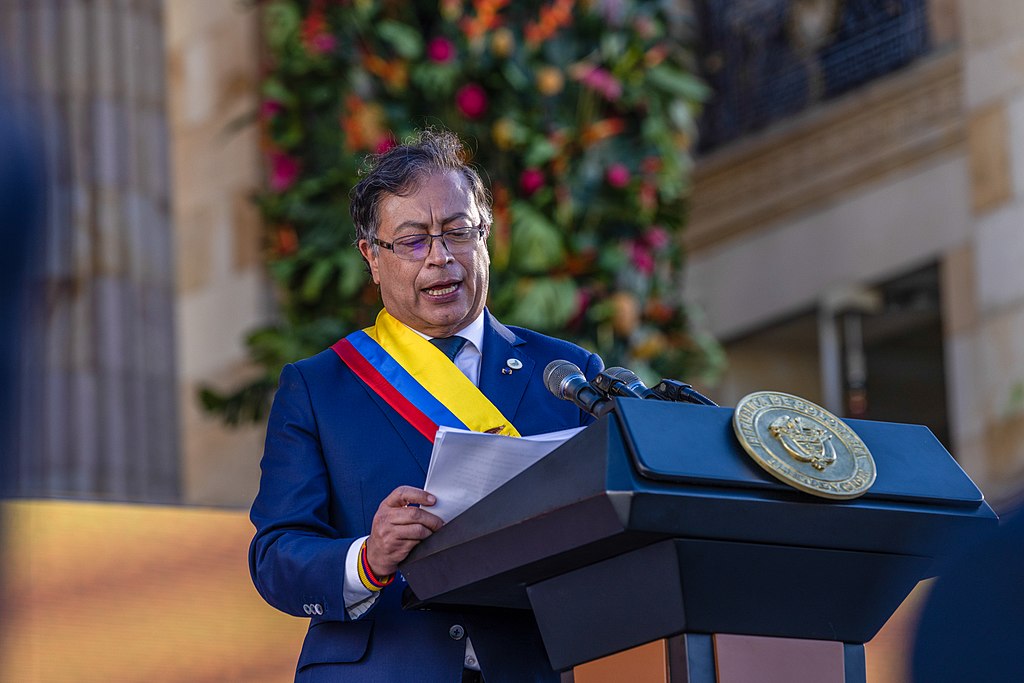
Colombian President Gustavo Petro has ordered the suspension of intelligence sharing between Colombia’s security forces and U.S. intelligence agencies following alleged attacks by Washington on boats in the Caribbean. Petro announced the decision on X, emphasizing that Colombia’s participation in the fight against drug trafficking must respect human rights and regional sovereignty.
“The fight against drugs must be subordinated to the human rights of the Caribbean people,” Petro wrote, underscoring his government’s disapproval of recent U.S. actions. The move marks a significant shift in the long-standing cooperation between the two countries in anti-narcotics operations.
Colombia has been one of Washington’s closest allies in the region, playing a central role in joint efforts to combat drug smuggling routes that pass through the Caribbean. However, Petro’s stance reflects a growing tension between Colombia’s progressive administration and U.S. policies that prioritize military enforcement over humanitarian concerns.
According to Petro, U.S. naval and aerial operations have endangered civilian lives in the region, contradicting Colombia’s commitment to protecting human rights. His directive aims to pressure Washington to reconsider its approach to anti-drug campaigns, which Petro has criticized as outdated and ineffective.
The suspension could impact regional security operations and intelligence flow vital for tracking drug cartels operating between South America and the Caribbean. Analysts suggest this move may signal a broader push by Petro to redefine Colombia’s foreign relations and promote regional autonomy.
Petro’s call for reform in the global war on drugs aligns with his broader political agenda, advocating for alternative strategies that address the social and economic roots of drug production rather than relying solely on punitive measures.







