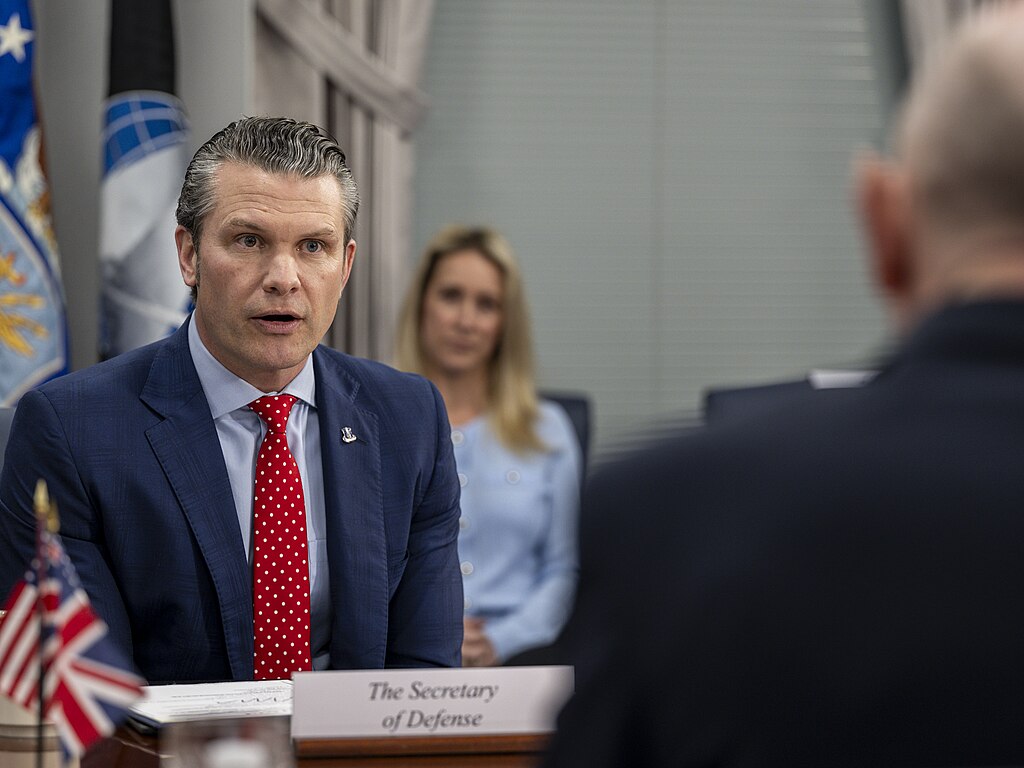
U.S. congressional leaders from both parties are demanding clarity after reports revealed two U.S. military strikes on a boat off Venezuela’s coast in early September—actions now under scrutiny for potentially violating international law. The White House confirmed the strikes, with spokeswoman Karoline Leavitt stating they were lawful and authorized by Defense Secretary Pete Hegseth. However, controversy erupted after lawmakers learned the second strike allegedly targeted survivors, raising questions about the legality of the operation.
The Washington Post reported that Hegseth issued a “spoken directive” to kill everyone aboard one of the vessels, an allegation he fiercely rejected as false and inflammatory. President Donald Trump backed Hegseth’s denial but said he would review the situation. Despite generally strong Republican support for Trump’s defense policies, this incident marks the second time in a week the party has voiced concerns, following backlash over a proposed Ukraine peace plan criticized for favoring Russia.
Key congressional committees—including the Senate and House Armed Services panels—have announced bipartisan efforts to investigate the strikes. Republican Senate Majority Leader John Thune emphasized the need for a thorough review, while Representative Mike Turner warned that a deliberate attack on survivors would constitute an illegal act of war. Senator Rand Paul echoed these concerns, citing long-standing international rules prohibiting lethal force against individuals who surrender or are incapacitated.
Democratic Senator Brian Schatz suggested that Hegseth should testify before Congress finalizes the National Defense Authorization Act. Lawmakers from both parties have questioned the broader U.S. strategy, which involves striking suspected drug-running boats rather than detaining and interrogating passengers. Since September, U.S. forces have launched at least 21 such strikes in the Caribbean and Pacific, killing more than 80 people as the Trump administration intensifies pressure on Venezuelan President Nicolás Maduro.
Despite growing unease, Senate Republicans recently blocked resolutions aimed at restricting Trump’s authority to carry out military operations in the region.