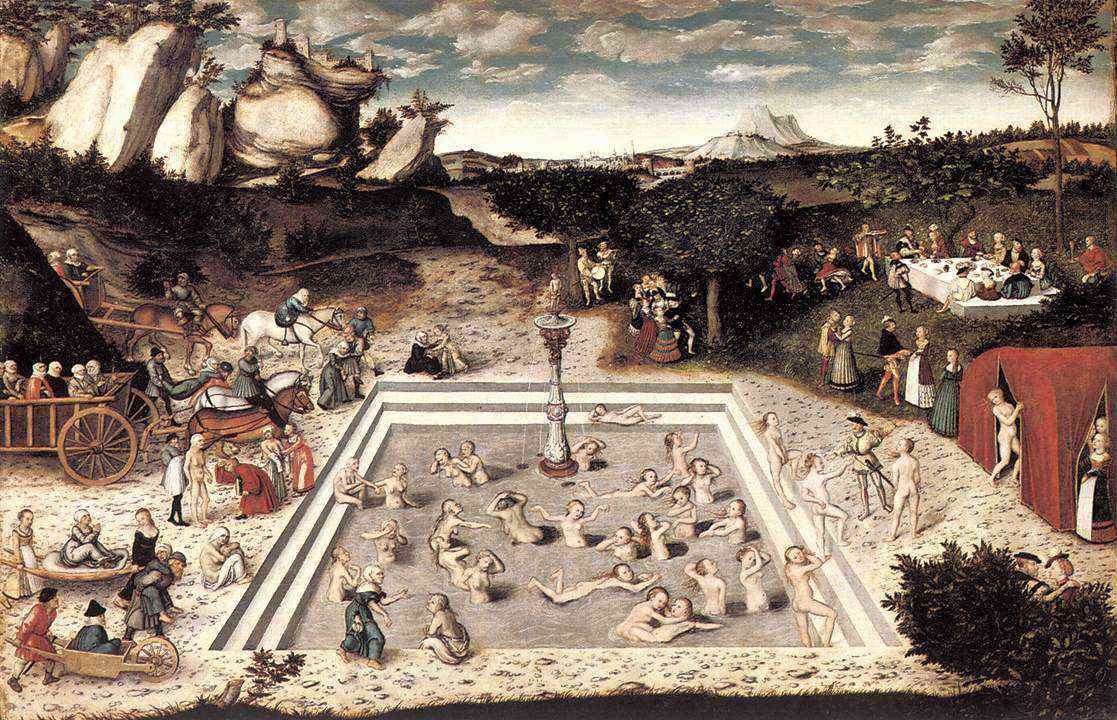
Humans have been looking for the mythical fountain of youth for centuries and modern companies have been using people’s fear of aging and death in order to market ridiculous drugs and remedies to make billions. However, a new study suggests that reversing aging could be done by simply reprogramming the cells of the body. Based on the findings so far, it might even result in eternal life.
Salk Institute researchers managed to identify genetic markers which inevitably led to the signs of advanced aging, MedicalXpress reports. These include wrinkles, crow’s feet, and gray hair. Thanks to the findings by the scientists, they were actually able to reverse signs of aging in mice.
The method used to reverse aging in the rodent specimen was actually used on human skin cells as well. The results showed the cells behaving in a way that suggests age reversal among humans is certainly possible. According to the study’s lead author, Juan Carlos Izpisua Belmonte, aging doesn’t have to be a one-way process as it has always been among humans.
"Our study shows that aging may not have to proceed in one single direction," Professor Belmonte said. "It has plasticity and, with careful modulation, aging might be reversed."
It would also seem that the study identifies changes of an epigenetic nature that are the primary cause of aging, or rather, the appearance of aging, Science Daily notes. Such changes are apparently malleable, so it’s certainly possible to manipulate them in such a way as to stop or reverse the aging process.
In terms of levels of groundbreaking research, this one is for the history books since it’s the first time that reverse-aging was ever done to a living organism. Scientists have actually attempted to produce similar results with different methods in the past, but all of them resulted in either death or the growth of tumors.