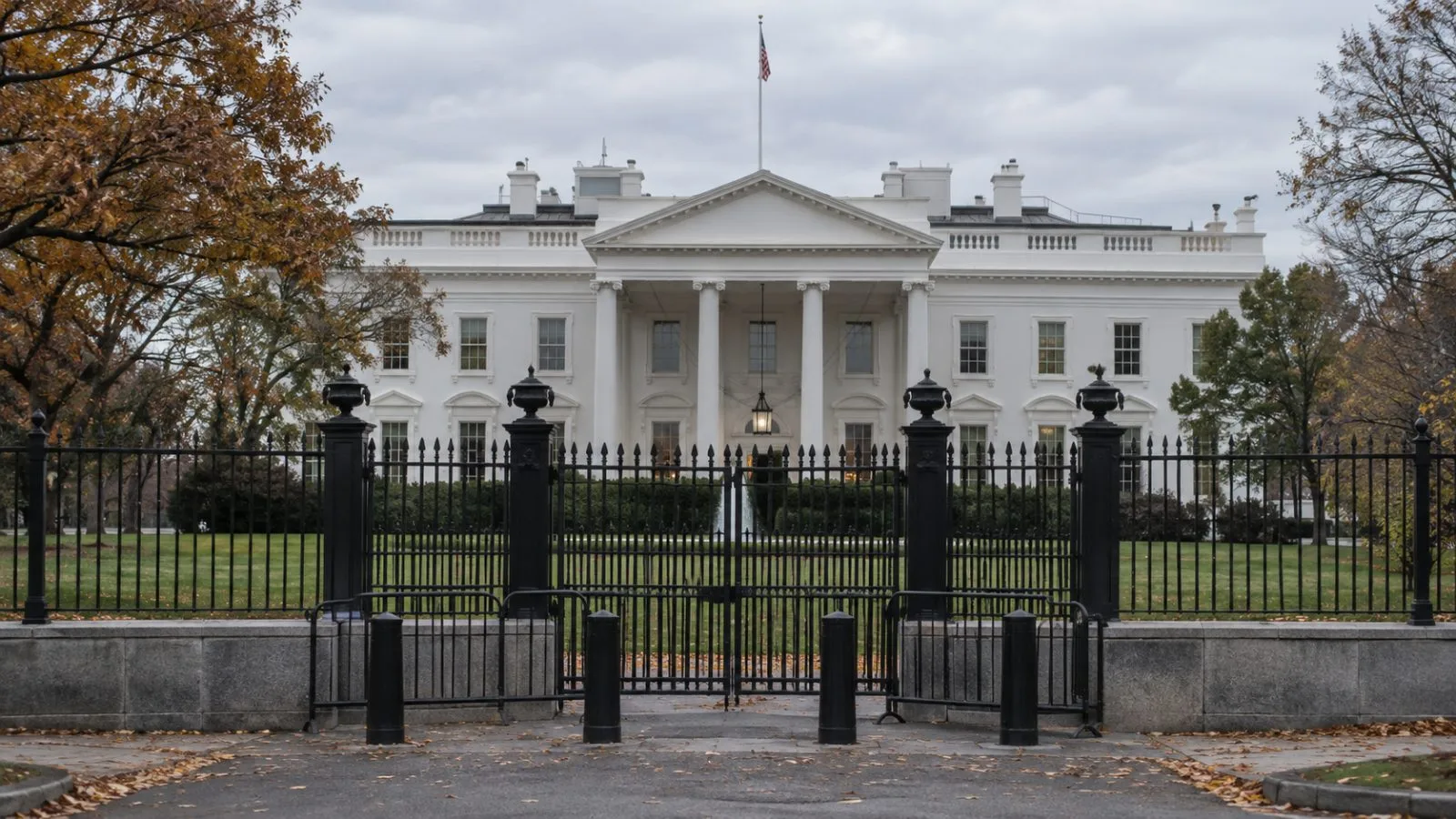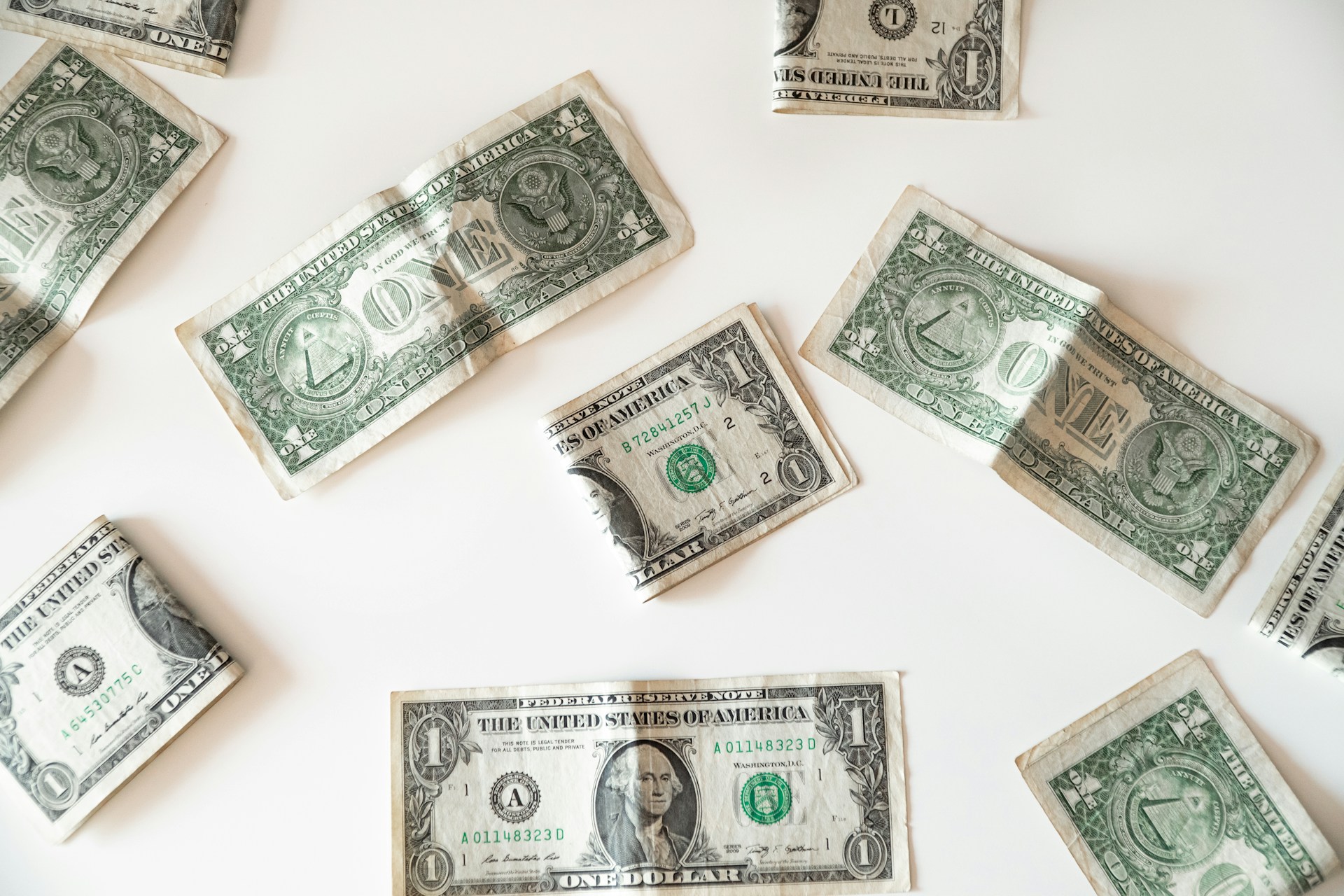
The U.S. dollar hovered close to a one-week low against major currencies on Wednesday as the government approached a potential shutdown that could stall critical economic data releases. Without an interim funding deal between Republicans and Democrats, government operations will cease at midnight Tuesday in Washington (0400 GMT), jeopardizing the release of Friday’s nonfarm payrolls report, a key indicator for Federal Reserve policy decisions.
The U.S. dollar index stood at 97.869 as of 0003 GMT after dipping to 97.633 overnight, its lowest since last Wednesday. Investors remain cautious as U.S. President Donald Trump warned Democrats that allowing a shutdown would give his administration the ability to take “irreversible” actions, including cutting programs important to them. Both the Labor and Commerce Departments confirmed that statistical agencies would suspend data releases during a partial closure, making private-sector indicators more critical for market sentiment.
A mixed reading from the Job Openings and Labor Turnover Survey (JOLTS) added pressure on the greenback. While U.S. job openings ticked higher in August, hiring slowed, signaling a softer labor market. Analysts suggest the dollar could weaken further if political discourse points to an extended shutdown. Joseph Capurso, head of FX at Commonwealth Bank of Australia, said, “The USD will resume its fall today if the political discourse suggests an extended shutdown,” adding that weak U.S. data could intensify selling pressure.
The euro held steady at $1.1731, after reaching $1.1762 on Tuesday, its strongest level since September 24. Meanwhile, the dollar edged 0.1% higher against the yen to 148.15, snapping a three-day 1.2% decline. Traders largely brushed off Japan’s quarterly tankan sentiment survey, despite policymakers highlighting its importance for timing future rate hikes.
The Bank of Japan (BOJ) has adopted a more hawkish tone recently, with board member Asahi Noguchi stressing the urgency of tightening policy. Deputy Governor Shinichi Uchida and Governor Kazuo Ueda are set to speak later this week, potentially offering more signals on monetary policy. Markets currently price in a 39% chance of a BOJ rate hike on October 30, while a Federal Reserve rate cut the day before is seen as nearly certain at 97%.
This uncertain backdrop leaves the dollar vulnerable to further declines, with political gridlock and fragile economic signals weighing heavily on market confidence.