


 Putin Says Western Firms Could Regain Russian Assets
  US Appeals Court Keeps Trump IRS Case Sanctions in Place
  Trump Says He Raised Political Prisoners With Xi
  TSA Removes Chairs for Airport ID Check Officers
  Trump Praises Boeing 737 Max After Flydubai Crash Attempt
  Pentagon Launches Autonomous Warfare Command
  Israeli Settler Attack in West Bank Kills Palestinian
  South Korea Warns Ukraine Over North Korean POW Dispute
  Marco Rubio to Visit Iceland, Greece and Portugal
  US Waives Egypt Military Aid Conditions Over Iran War Role
  Lula Leads Flavio Bolsonaro 48%-45% in Datafolha Poll
  Russia Warns NATO of Nuclear Response Over Kaliningrad
  Ukraine Deploys FP-7 Ballistic Missile in Combat for First Time
  Trump Taps Dennis Rodman as Kim Jong Un Outreach Continues
  New Zealand Election Raises Policy Uncertainty for Investors
  Israel Tightens Pilot Security After Flydubai Incident
  US Alcohol Ban Exposes Canada’s Internal Trade Barriers


 Add as a preferred source on Google
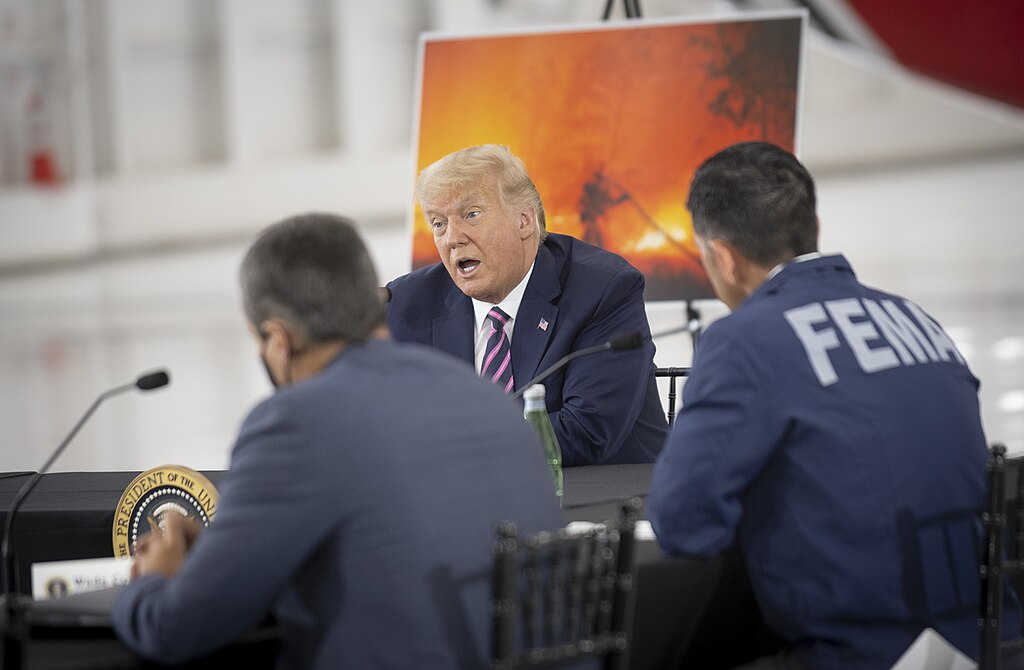
Former President Donald Trump declared that “there is a way” for the United States to abolish federal taxes. Speaking at a recent rally, Trump suggested that eliminating federal taxes could be a reality, sparking immediate controversy and discussions about the feasibility of such a move.
“There’s a way. There’s always a way. We don’t need federal taxes,” Trump said to a roaring crowd, hinting at his belief that the country could function without them. He did not, however, provide specifics on how this monumental shift in government revenue would be achieved, leaving many economists and political analysts questioning the practicality of his claim.
Trump’s remarks have reignited debates over tax reform, a subject he frequently championed during his presidency. His suggestion that the U.S. could abolish federal taxes has drawn sharp criticism from opponents, who argue that such a drastic move would cripple essential government services and programs.
Political commentators were quick to challenge Trump’s proposal, pointing out the enormous role that federal taxes play in funding everything from national defense to infrastructure. “Abolishing federal taxes is not only unrealistic but dangerous,” said one economist. “It would lead to massive deficits and undermine the functioning of the U.S. government.”
Despite the backlash, Trump’s comments have struck a chord with his loyal supporters, many of whom are frustrated with the current tax system. “We’re being taxed to death!” one rally attendee exclaimed. “If Trump says there’s a way to get rid of them, I believe him.”
Critics, however, see Trump’s remarks as nothing more than political grandstanding aimed at appealing to his base ahead of the 2024 election. “He’s making promises that are not grounded in reality,” said a political analyst. “The U.S. government cannot function without tax revenue, and anyone who says otherwise is ignoring basic economic principles.”
During his presidency, Trump implemented major tax cuts, primarily benefiting corporations and the wealthy. His latest comments suggest that he is willing to push even further, advocating for an even more radical overhaul of the tax system. However, eliminating federal taxes altogether would require a complete restructuring of how the government funds its operations, something that experts say is nearly impossible without severe consequences.
Trump’s suggestion also raises questions about how essential services would be funded. Federal taxes currently finance crucial programs like Social Security, Medicare, and the military, all of which would be at risk if these taxes were abolished. While Trump has not provided a concrete plan for replacing the revenue, his remarks have nonetheless sparked fierce debate among lawmakers and the public alike.
As the 2024 election approaches, Trump’s comments on federal taxes are sure to remain a contentious issue. While his supporters may rally behind the idea of tax abolition, experts warn that such a move could have disastrous consequences for the country’s financial stability.







