


 NATO Commander Warns Russia of Devastating Response to Attack
  Panama Declares Emergency After 7.7 Earthquake Triggers 200 Aftershocks
  Trump Announces Russia-Ukraine Energy Ceasefire Amid U.S. Pressure on Kyiv
  Zelenskiy Offers Russia Energy Truce Amid Trump Pressure
  European Auto Stocks Rise as EU-China Trade Deal Targets Hybrid Imports
  US Authorities Raid Ilhan Omar’s Home Amid Immigration Fraud Probe
  Trump Plans White House Shake-Up of Key AI Safety Agency
  Pakistan Declares Emergency in Khyber Pakhtunkhwa, Suspends Imran Khan’s PTI Government
  Trump Defends Russian Diesel Deal Amid US Sanctions Backlash
  Trump Calls for Zelenskyy Replacement Amid Russian Diesel Deal
  Elon Musk Donates $366 Million to 2026 US Midterms
  US Condemns China Sanctions on Taiwan Allies Belize and Paraguay
  North Korea Fires Ballistic Missiles Amid Rising Tensions With South Korea
  India Voter List Protests Reach Supreme Court as Opposition Demands Election Chief's Resignation
  Brazil Election: Lula and Bolsonaro Rally Ahead of October 25 Runoff
  US Judge Blocks Trump Administration’s Taxpayer-Funded Political Ads
  Russian Strikes Kill Six in Ukraine, Including Three in Kharkiv


 Add as a preferred source on Google
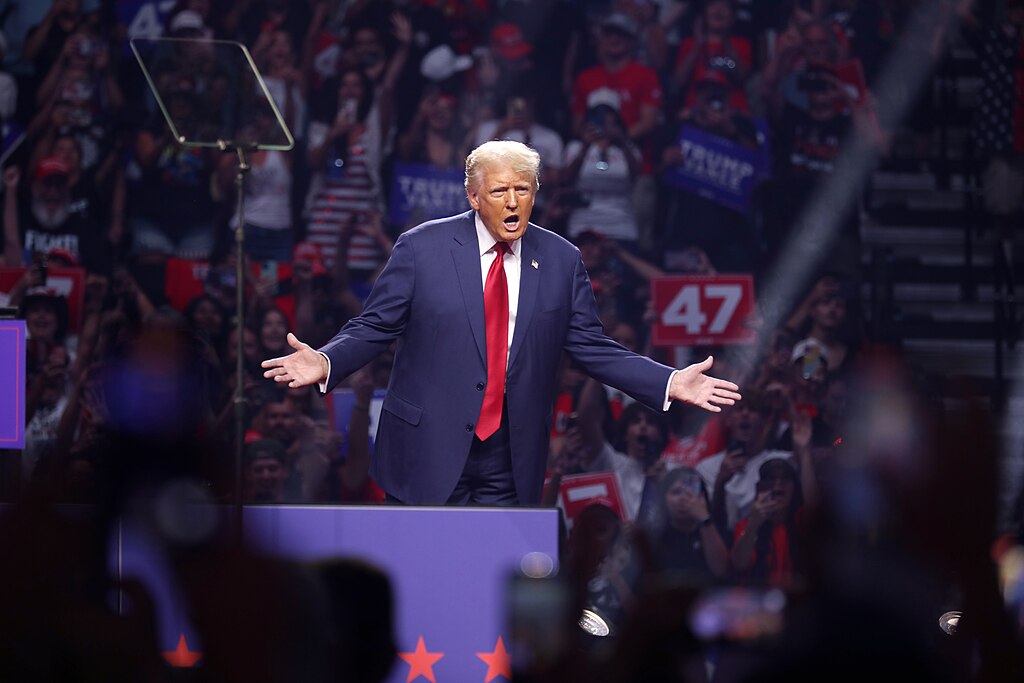
Former President Donald Trump unveiled a sweeping proposal aimed at reshaping corporate tax policies and incentivizing manufacturers to bring their operations back to the United States. Speaking at a recent rally in Ohio, Trump promised to cut taxes for companies that manufacture their products domestically and hire American workers, marking a significant shift in his economic agenda as he eyes a return to the White House.
A Bold Tax Cut Offer
Trump outlined his plan, vowing to slash the corporate tax rate from 21% to 15% for companies that choose to manufacture within the U.S. "Here’s the deal I will offer to every major company and manufacturer on Earth: We will cut your taxes from 21% down to 15%, and give you every possible advantage—but ONLY if you make your product here in America and hire American workers for the job," Trump declared to an enthusiastic crowd.
The former president’s proposal underscores his longstanding focus on revitalizing American industry, positioning his tax cuts as a major incentive to lure companies back from overseas and create jobs for American citizens. "If you DON’T make your product here, then you will have to pay a tariff when you send your product into the United States—and we will take in hundreds of billions of dollars into our Treasury and use that money to benefit YOU, the American citizens," Trump continued.
A Controversial Approach
The most controversial aspect of Trump’s plan is the punitive tariff on companies that choose not to manufacture in the U.S. While the promise of slashing taxes to 15% is enticing to many businesses, the threat of tariffs looms large. Companies that fail to move production back to America would face steep penalties when exporting their goods to the U.S., a move that Trump believes will bring hundreds of billions into the Treasury.
Critics argue that the policy could spark trade tensions and raise prices for American consumers, as tariffs on foreign-made goods could result in higher costs for imported products. "Tariffs don’t just punish companies, they punish consumers," said one economic analyst. "If companies are forced to pay more to sell their goods in the U.S., those costs will ultimately be passed down to the American people."
Reviving American Manufacturing
At the heart of Trump’s proposal is a push to revive American manufacturing, an industry that has seen a steady decline in recent decades as companies have shifted production overseas. Trump’s plan seeks to reverse this trend by making the U.S. a more attractive place to do business through lower taxes and other incentives.
"We have to put American workers first," Trump said, reiterating his signature ‘America First’ agenda. "This isn’t just about economics—it’s about restoring American pride in the products we make right here at home."
Reactions Across the Political Spectrum
Trump’s proposal has sparked a sharp divide in political reactions. Supporters see it as a much-needed step to rebuild American industry and reduce dependency on foreign manufacturing, while critics warn that it could trigger trade wars and inflation.
"Bringing jobs back to the U.S. is something we can all agree on," said one Trump supporter. "This plan puts American workers at the center of economic growth."
On the other side, Democratic lawmakers and economists have questioned the feasibility of the plan, arguing that it oversimplifies complex global trade dynamics. "This is another one of Trump’s oversold promises," said a Democratic lawmaker. "It sounds great in theory, but the real-world consequences could be disastrous for American consumers."
As the 2024 election campaign ramps up, Trump’s tax and tariff proposal will likely be a cornerstone of his platform, reigniting the debate over trade, manufacturing, and America’s role in the global economy.







