


 BOJ Signals Faster Rate Hikes as Inflation Risks Grow
  Yen Sinks as BOJ Rate Hike Fails to Impress Markets
  UK Housebuilder Stocks Surge on New First-Time Buyer Loan Scheme
  US Alcohol Ban Exposes Canada’s Internal Trade Barriers
  Oil Prices Slide as Middle East Flows Recover
  BlackRock’s Rick Rieder Favors Bonds Over Stocks as Treasury Yields Surge
  BOJ Flags Import Costs and Yen Shocks as Persistent Inflation Risks
  RBI Uses $10 Billion Currency Swaps to Drain Excess Rupee Liquidity
  Fed’s Williams Signals One More Rate Hike Before Year-End
  RBA Set for September Rate Hike as Inflation Stays High
  US Stocks Slip as Treasury Yields Ease, AI Trade Rebounds
  Australia Trade Surplus Shrinks Sharply as Imports Surge
  Asian Stocks Rise as Chipmakers Rally on Micron Earnings
  U.S. Stock Futures Steady as AI, Rate Concerns Weigh
  Gold Rebounds as Oil Falls and Treasury Rout Eases


 Add as a preferred source on Google
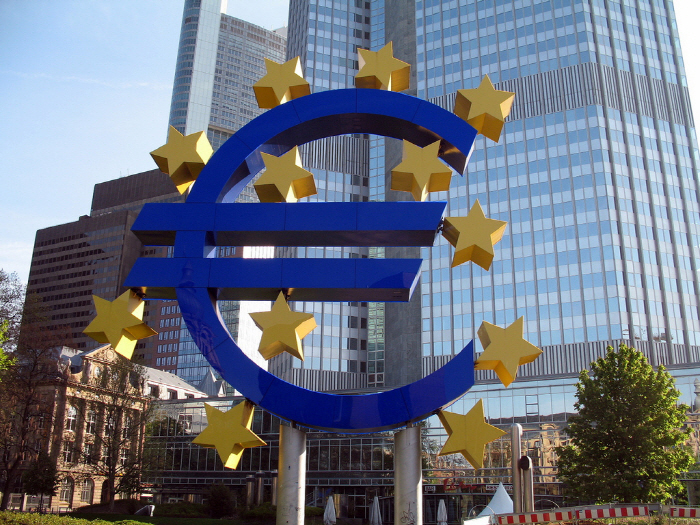
The European Central Bank (ECB) is expected to hold off on further interest rate cuts until September, as rising trade tensions and a strengthening euro cloud the eurozone's economic outlook, according to analysts at Capital Economics.
In June, the ECB lowered its key deposit rate by 25 basis points to 2.0%—its eighth cut in a year—citing easing inflation but persistent global uncertainty. While markets anticipated the move, focus has shifted to whether additional rate cuts will follow this year.
Analysts led by Franziska Palmas at Capital Economics believe the ECB is more likely to wait until September before easing again, especially with eurozone inflation now aligning with the central bank’s 2% target. The pause in U.S. President Donald Trump’s reciprocal tariffs—set to expire July 9—is adding to the uncertainty. Washington has previously targeted EU goods, and ongoing talks have yet to yield a concrete trade deal. Proposals under discussion suggest the EU may accept a 10% U.S. tariff in exchange for sector-specific relief, though some European officials are urging stronger resistance.
Meanwhile, the euro has appreciated nearly 14% this year, fueled by a shift in investor sentiment amid U.S. policy concerns. The stronger currency, while beneficial for import prices, threatens to dampen inflation and hurt eurozone exports. ECB Vice President Luis de Guindos recently cautioned that an exchange rate above $1.20 would complicate monetary policy, warning against euro “overshooting.”
While short-term investment and export prospects remain uncertain, medium-term growth could benefit from increased EU spending on defense and infrastructure. However, unless trade tensions ease and euro strength moderates, the ECB may remain cautious before taking further policy action.







