


 ECB May Stop Rate Hikes After December, Capital Economics Says
  Oil Prices Steady as Middle East Crude Flows Recover
  US Stocks Slip as Treasury Yields Ease, AI Trade Rebounds
  Fed Rate Hike Threatens Housing as U.S. Growth Leans on AI, Citi Says
  Australia Trade Surplus Shrinks Sharply as Imports Surge
  Central Banks Could Buy 20,000 Tonnes of Gold: BofA
  Oil Prices Slide as Middle East Flows Recover
  Dollar Eases Near Two-Month High as Yen Rebounds
  RBI Uses $10 Billion Currency Swaps to Drain Excess Rupee Liquidity
  Trump Eyes $54 Billion South Korean Investment in Alaska LNG
  Yen in Focus as BOJ, Fed Rate Hikes Reshape Currency Markets
  BOJ Set for 25-Basis-Point Rate Hike as Yen Weakness Fuels Inflation
  BlackRock’s Rick Rieder Favors Bonds Over Stocks as Treasury Yields Surge
  Fed Unveils Stablecoin Rules Under GENIUS Act
  RBA Says ASX Still Falls Short on Governance and Risk Controls
  Nasdaq Futures Jump as Micron Earnings Boost AI Trade


 Add as a preferred source on Google
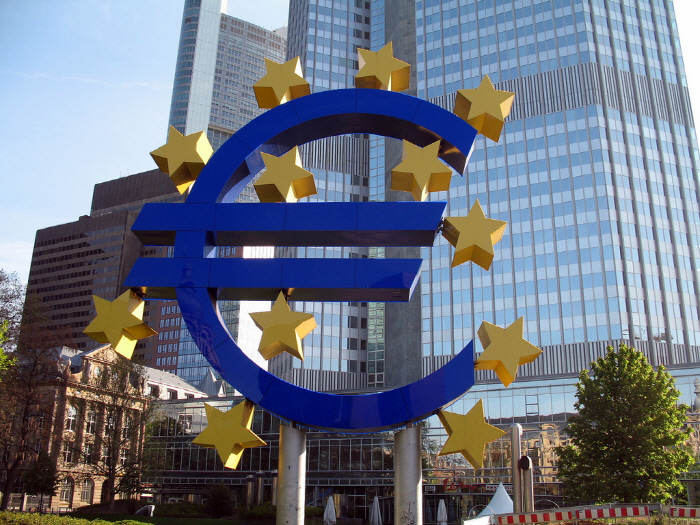
The European Central Bank (ECB) could lower its deposit rate to 2% by summer, according to Bank of France head and ECB policymaker François Villeroy de Galhau. In an interview with Alternatives Economiques, Villeroy stated, "Seen from where we are today, we could be at 2% by the coming summer."
His remarks come after the ECB cut its deposit rate by 25 basis points to 2.75% on January 30, with policymakers signaling another reduction in March. The central bank's shift toward easing monetary policy reflects growing concerns over sluggish economic growth, despite ongoing inflation risks.
Villeroy also emphasized the need for European bank consolidation to enhance global competitiveness. His comments align with broader discussions on strengthening the eurozone’s financial sector amid evolving economic conditions.
The ECB’s rate-cut trajectory signals a departure from its previous tightening cycle, driven by inflation control. As growth concerns mount, investors and analysts will closely monitor upcoming policy decisions and their potential impact on the European economy.







