


 Japan, U.S. Discuss $19 Billion GlobalFoundries Chip Plant
  Who should own the knowledge that underpins AI technology?
  Pentagon Restarts Testosterone Testing for US Troops
  Trump Hopes Iran War Nears End as Yemen Fighting Escalates
  France Targets Shein, Temu With Fast-Fashion Fees
  Appeals Court Rejects Trump Third-Country Deportation Policy
  US Immigration Arrests Surge as Deportations Lag Behind
  Yemen Fighting Threatens Red Sea Oil Routes
  Trump Administration Removes Confederate Memorial Criticism From Arlington Website
  Najib Razak Granted House Arrest Until 2028
  Trump Grants Clemency to Jay-Z Associate Emory Jones
  FDA Weighs Safety Standards for Psychedelic Therapies
  Russian Attack on Balakliia Kills Two, Injures Two
  Venezuela Nears Deal to Move $4 Billion in Gold to New York Fed
  Google Changes EU Spam Policy Amid Antitrust Scrutiny
  North Korea Vows to Expand Nuclear Arsenal Amid U.S.-Led Military Buildup


 Add as a preferred source on Google
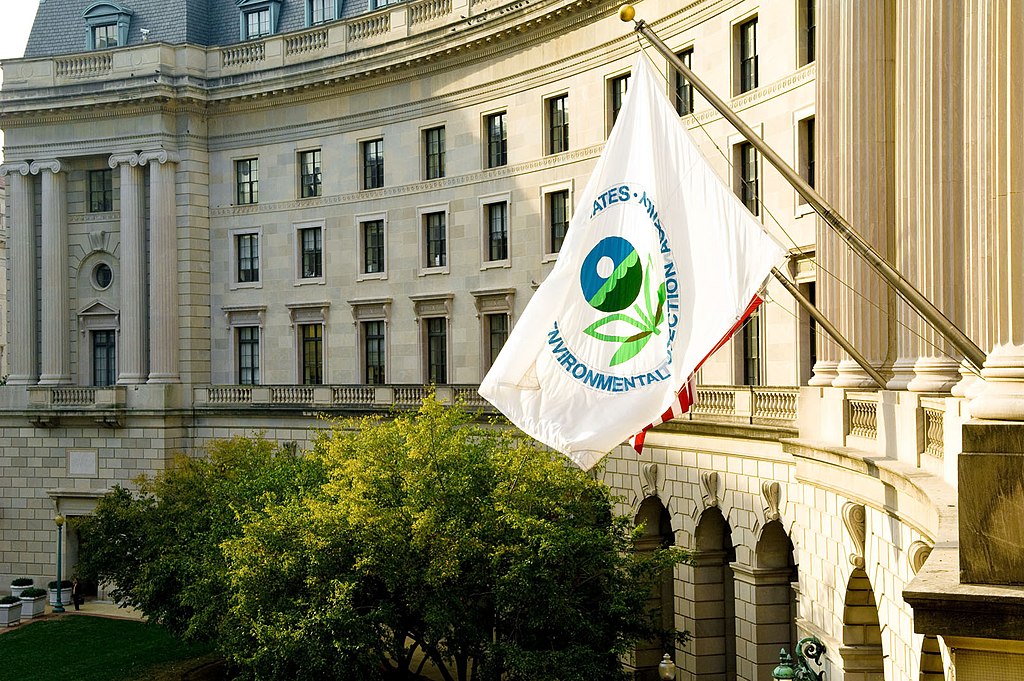
The U.S. Environmental Protection Agency (EPA) is drafting a new proposal to eliminate federal limits on greenhouse gas emissions from coal and natural gas-fired power plants. The plan, currently under interagency review, reflects a broader rollback of climate policies under former President Donald Trump’s administration.
An EPA spokesperson said the previous administration’s rules were seen as overreaching and harmful to affordable, reliable energy. The agency is now reconsidering its approach, stating that emissions from fossil fuel plants do not significantly contribute to dangerous pollution or climate change due to their declining global share. The EPA also argues that cutting these emissions would have minimal impact on public health and welfare.
This move follows a report by The New York Times, which noted that the draft proposal challenges long-held environmental positions, despite scientific consensus and UN data showing fossil fuels are responsible for over 75% of global greenhouse gas emissions and nearly 90% of CO₂ output.
The policy shift aligns with recent actions by the U.S. House of Representatives, which advanced Trump’s new tax and spending bill. The legislation targets the repeal of green-energy subsidies, grants for reducing emissions, and funding from the Inflation Reduction Act. It also threatens incentives for electric vehicle purchases and clean energy projects.
EPA Administrator Lee Zeldin emphasized that the agency is building on the Trump-era effort to boost fossil fuel industries by removing climate-related regulations. Trump had pledged to dismantle Obama-era environmental rules, and his latest proposal seeks to further support oil, gas, and coal operations.
The draft rule is expected to be published once the review process is complete, potentially marking a significant shift in U.S. climate policy and regulatory strategy.







