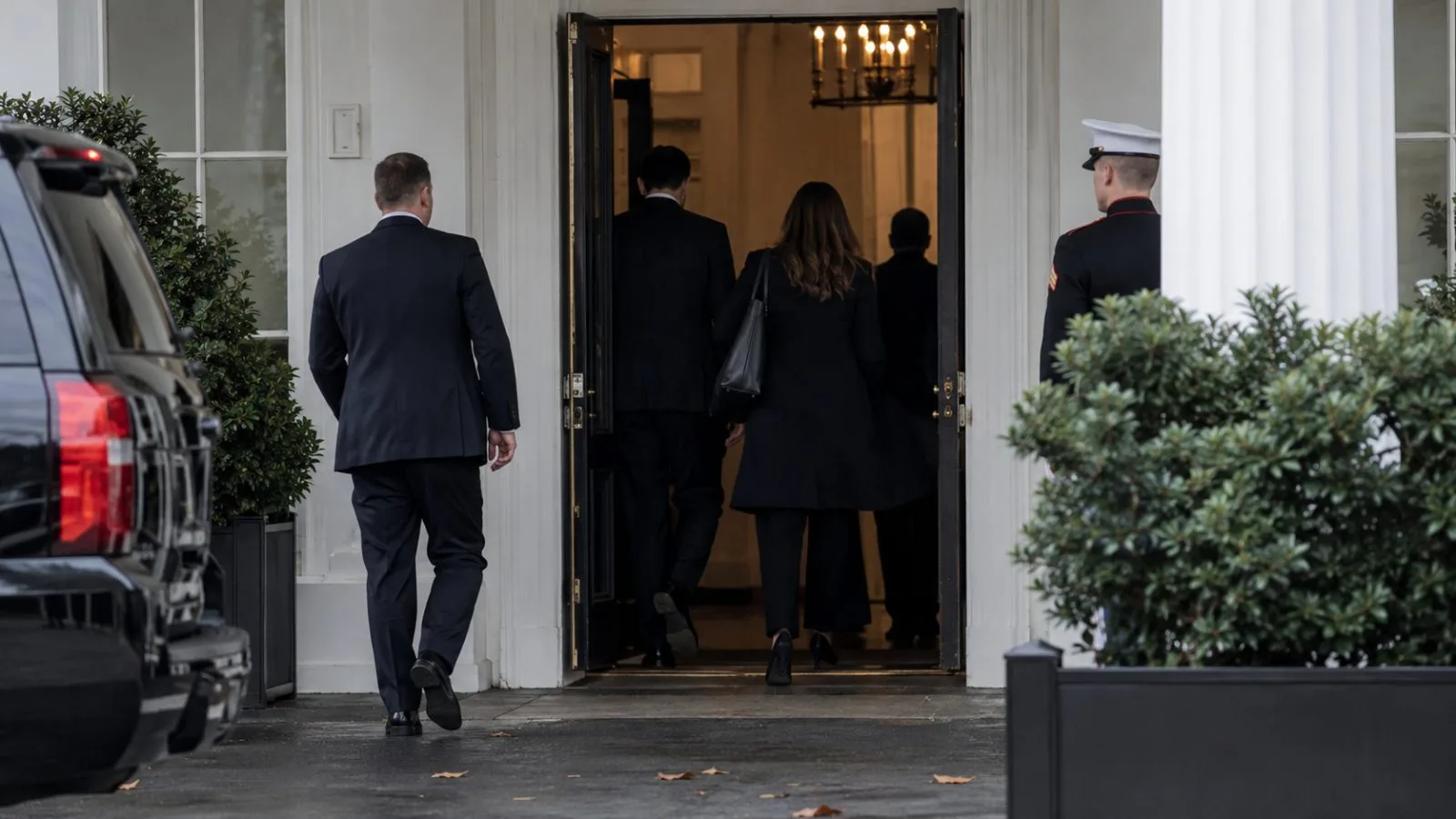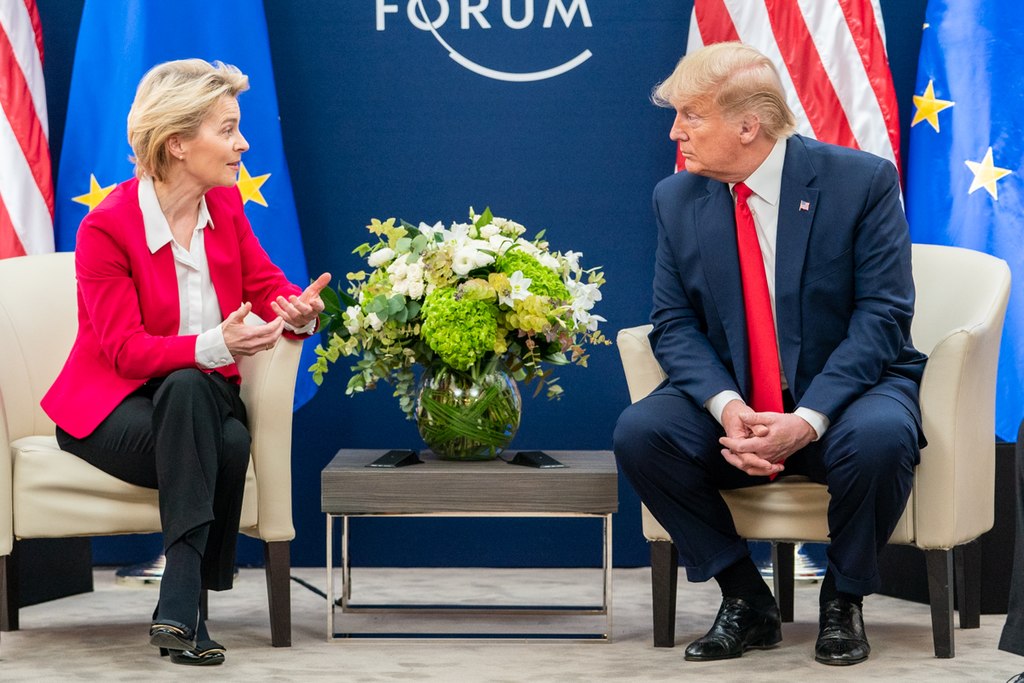
The European Union has extended its suspension of countermeasures against U.S. tariffs until early August, aiming to keep talks alive as U.S. President Donald Trump threatens to impose a 30% tariff on most imports from the EU and Mexico starting August 1. Trump’s administration insists on greater concessions, with White House economic adviser Kevin Hassett emphasizing that current trade offers "have not satisfied" the president.
European Commission President Ursula von der Leyen reiterated the EU’s preference for a negotiated solution but confirmed preparations for retaliation remain in place. The Commission has held off on immediate countermeasures to avoid a full-blown trade war while keeping two response packages ready—one targeting €21 billion in U.S. goods in response to steel and aluminum tariffs, and another potentially covering €72 billion more.
German Chancellor Friedrich Merz voiced strong support for a resolution, warning that a 30% tariff would hit Germany’s export-heavy economy hard. Meanwhile, French President Emmanuel Macron urged the EU to take a firmer stance, calling for the possible use of the bloc’s Anti-Coercion Instrument if negotiations fail. Finance Minister Lars Klingbeil echoed this, stating that the EU must act decisively to defend European jobs and industries.
Von der Leyen confirmed that the Anti-Coercion Instrument is not yet in use but remains a potential tool if pressure escalates. As tensions grow, the EU is also accelerating trade talks elsewhere, announcing progress on a deal with Indonesia.
In France, the dairy sector warned that the proposed tariffs could devastate exports, particularly cheese. Industry leaders believe the current trade climate signals a long-term shift rather than a temporary dispute.