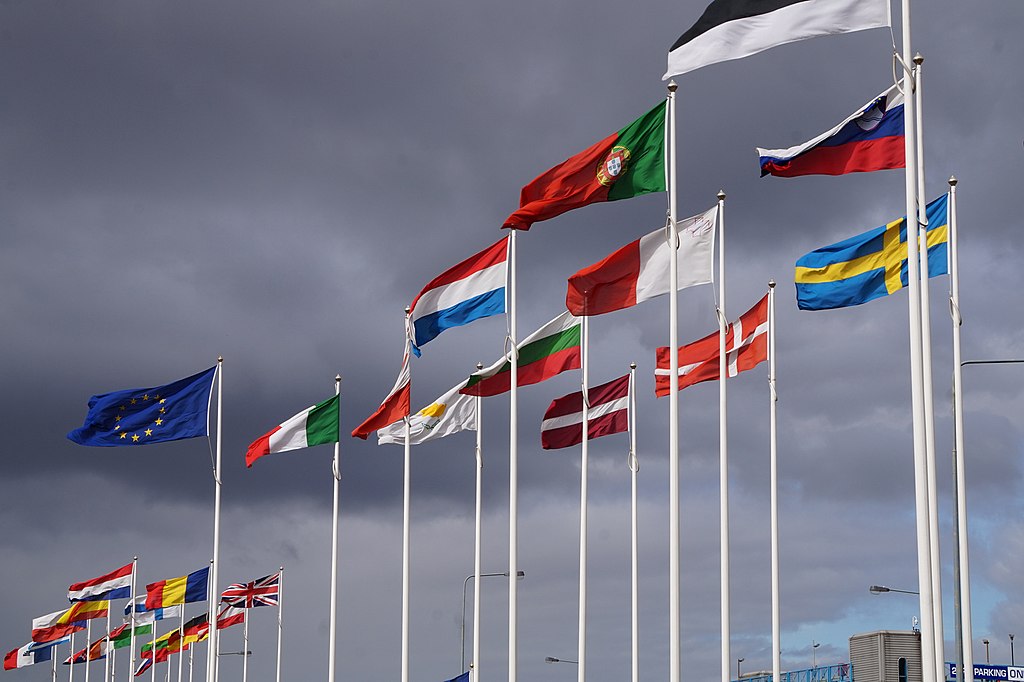
European Union finance ministers will meet Monday to explore funding strategies for defense, including joint borrowing, reallocating EU funds, and expanding the European Investment Bank’s (EIB) role. The talks, led by Poland’s Finance Minister Andrzej Domanski, follow recent EU leadership decisions to secure long-term defense financing.
With rising security concerns and uncertainty over U.S. support for Ukraine, European nations are ramping up defense spending. The European Commission has proposed raising €150 billion ($163 billion) backed by the EU budget to provide defense loans to member states. Ministers will also debate using EU cohesion funds for dual-use projects benefiting both civilians and military needs.
Expanding the EIB’s lending scope to support defense initiatives is another key topic. On Tuesday, discussions will shift to modifying EU fiscal rules to allow increased national defense spending. The Commission suggests enabling all 27 EU nations to raise defense budgets by 1.5% of GDP annually for four years without breaching EU debt regulations.
A major challenge is redefining defense spending criteria. Current EU rules exclude hiring military personnel, building ammunition factories, and reinforcing infrastructure like roads and bridges for military use. Poland is advocating for measuring defense spending based on 2021 levels, the last pre-war year, while Germany and others push for permanent rule changes beyond the proposed four-year exemption.
The outcome of these talks will shape Europe’s defense strategy as it seeks financial stability and military resilience in a rapidly evolving geopolitical landscape.