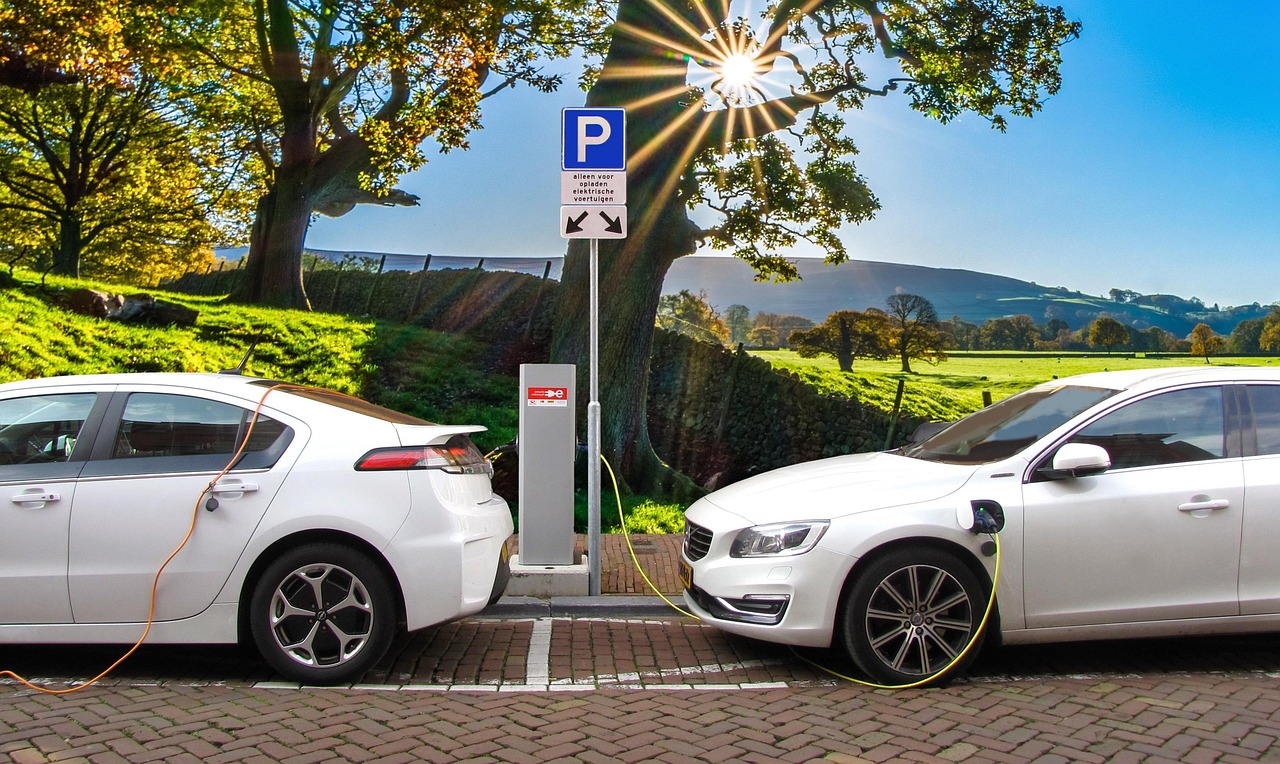
Electric vehicle (EV) adoption in Europe is set to rebound after a dip in 2024, with Bernstein projecting over 20% annual growth through 2030. While this trend supports the energy sector, its impact on overall European power consumption will be moderate.
According to Bernstein, EV-related electricity demand will rise from 30–40 TWh today to about 120 TWh by 2030, making up just 4% of Europe’s total power use. EVs will contribute to 25–35% of projected demand growth, alongside other drivers like heat electrification, green hydrogen, and data centers.
Despite expectations for continued EV adoption, falling electricity prices won’t be the main economic driver. Analysts led by Deepa Venkateswaran note that increasing grid and policy costs will offset commodity price drops. Still, EVs remain cost-effective compared to combustion cars, especially with home charging. Public fast charging, however, weakens this advantage.
A major implication lies in grid infrastructure. As EVs add to peak loads, EU27 and Norway will need to double annual distribution grid investment to €67 billion from 2025 to 2050. EVs are a key demand driver for this surge in spending.
There is also long-term potential in grid flexibility. With the right infrastructure, EVs could function as virtual power plants, helping balance the grid and accommodate intermittent renewable energy sources.
While not a game changer, EVs are a solid contributor to power sector evolution. Utilities like National Grid, Iberdrola, and E.ON SE are positioned to benefit, with Bernstein highlighting them as attractive investment opportunities due to strong earnings potential and increasing capital deployment aligned with EV growth.
Overall, EVs represent a steady but not disruptive tailwind for Europe’s energy transition and grid modernization.