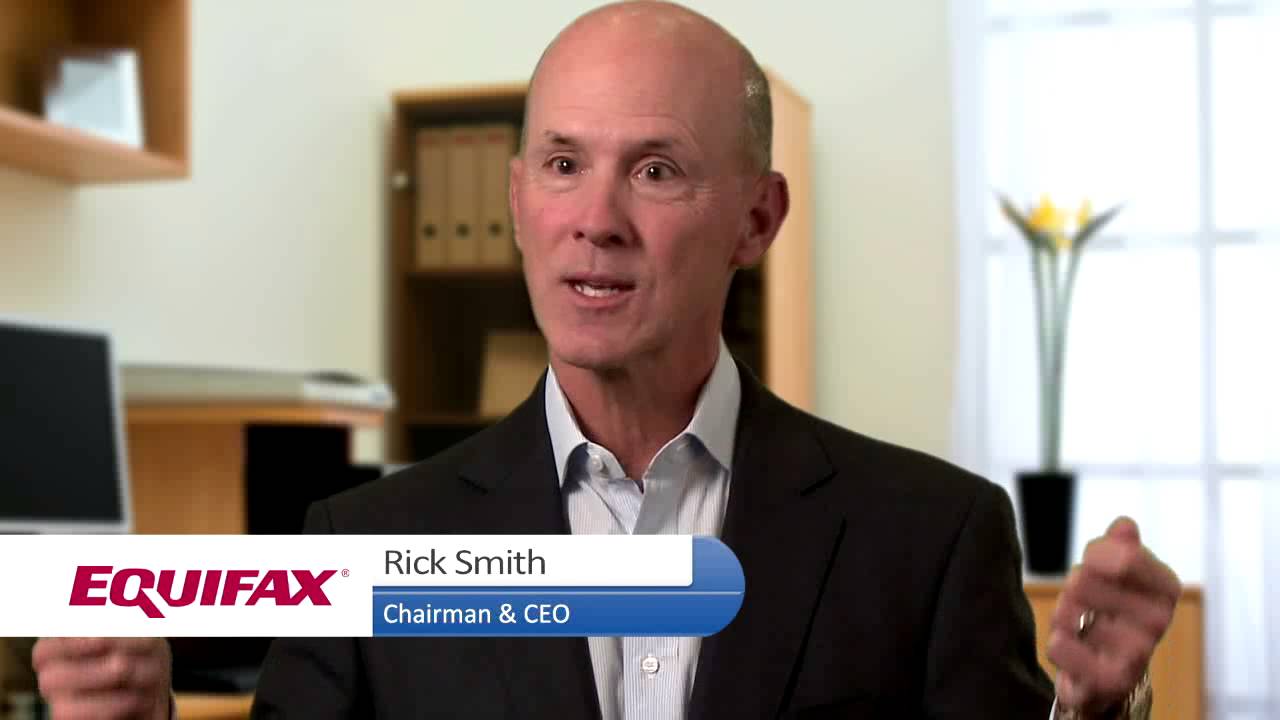
The data breach involving the company Equifax, which holds the private financial information of hundreds of millions of Americans has forced CEO Richard Smith to run from responsibility. He will do so with over $90 million in compensation while over 143 million people are still at risk of having their money stolen. Yet Equifax would rather people focus on the $3 million he will supposedly not be getting.
To put how much Smith, 57, is making out of the misery of millions of Americans into context, he is getting 63 cents for every US citizen that his company has put at risk, Fortune reports. According to the data-collection company, the CEO is retiring without the bonus he would have gotten for this year.
Even so, Smith is still set to receive a considerable sum from Equifax. This includes the $72 million in salary, along with $17.9 million that he will get across several years. All in all, this adds up to a hefty $90.1 million paycheck, which he is getting out of the expense of the American people. Smith may be losing his bonus, but he still has unvested stocks to earn money from.
After the announcement of his retirement, many expressed the sentiment that Smith should have been let go much sooner following the data breach, CNBC notes. On the other hand, his supposed retirement is also a slap on the faces of Americans because he was supposed to appear at hearings in both the House and the Senate.
His departure from the company complicates the investigation process, which angered lawmakers enough to spit. The biggest target of discussion would have been how Equifax absolutely bungled the handling the announcement of the hacking incident, which occurred a full 40 days after the fact.
During the long period of time that the company delayed its announcement of the breach, personal and financial information of hundreds of millions of Americans were in the possession of nefarious elements. These included social security numbers, names, dates of birth, and even the addresses of the affected individuals.
An earlier announcement could have helped the victims take action to protect their financial security. Most cybersecurity analysts and legal experts agree that there was no justification for what Equifax did.