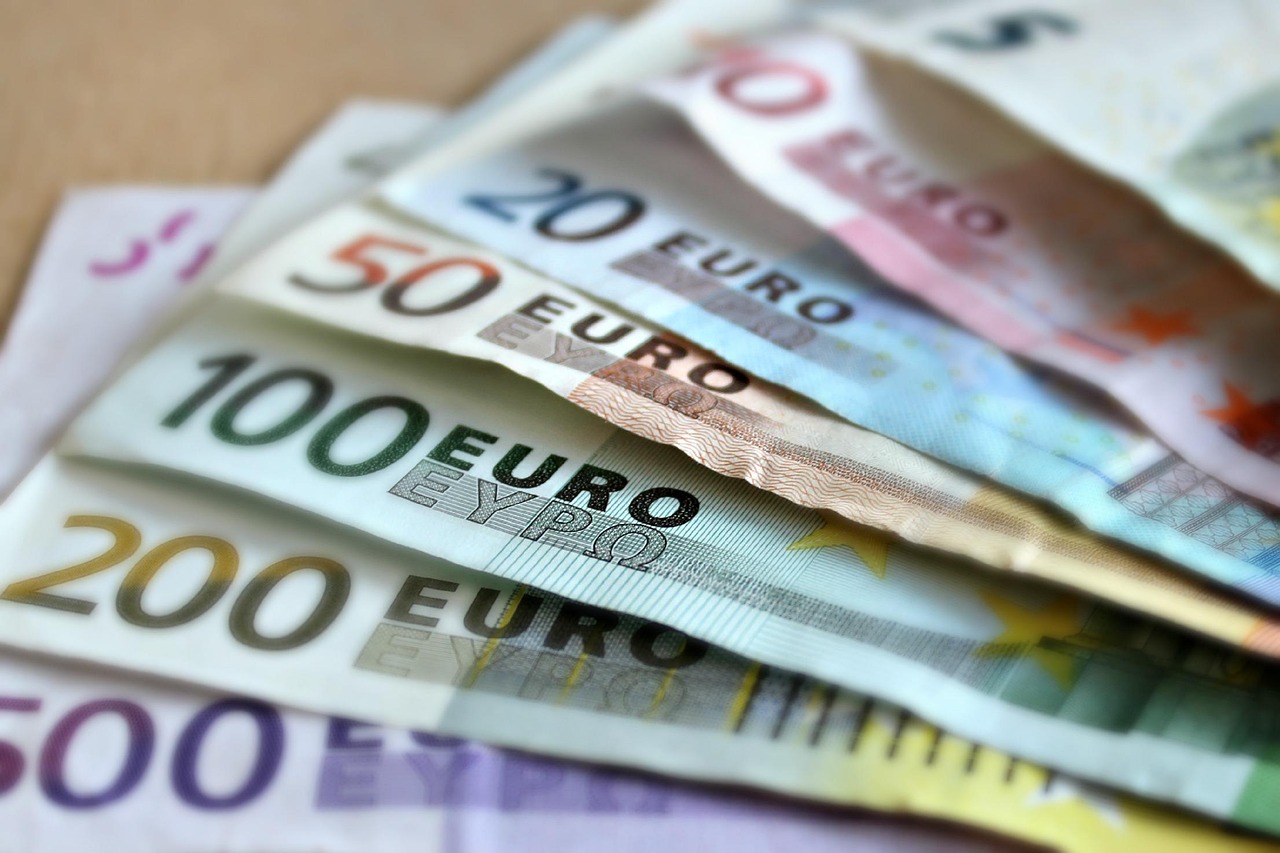
The euro fell to a three-week low on Monday, while the Mexican peso weakened after U.S. President Donald Trump threatened to impose 30% tariffs on imports from the European Union and Mexico starting August 1. Trump posted letters to EU Commission President Ursula von der Leyen and Mexican President Claudia Sheinbaum on Truth Social outlining the tariffs.
Both the EU and Mexico criticized the tariffs as unfair and disruptive. In response, the EU said it would extend its suspension of countermeasures until early August while pursuing a negotiated resolution.
Currency market reaction was relatively muted. The euro dipped 0.15% to $1.1675, and the U.S. dollar gained 0.2% against the Mexican peso, trading at 18.6630. The British pound was little changed at $1.3485, while the Japanese yen strengthened slightly to 147.27 per dollar. The Australian dollar edged up to $0.6575, and the New Zealand dollar slipped 0.07% to $0.6004.
Analysts note that markets appear increasingly desensitized to Trump’s trade threats. Despite the tariff announcement, U.S. stocks remain near record highs, and the dollar’s movement has been limited. Taylor Nugent of National Australia Bank remarked on the difficulty of pricing in tariff impacts amid ongoing negotiations, especially since a July 9 reciprocal tariff deadline passed without changes.
In a separate development, Trump again called for Federal Reserve Chair Jerome Powell to step down, raising concerns about central bank independence. Traders now await key U.S. inflation data due Tuesday, which may shape future rate cut expectations. Markets are currently pricing in just over 50 basis points of Fed easing by year-end. China’s second-quarter GDP figures, also due Tuesday, are expected to show slower growth amid rising U.S.-China trade tensions.