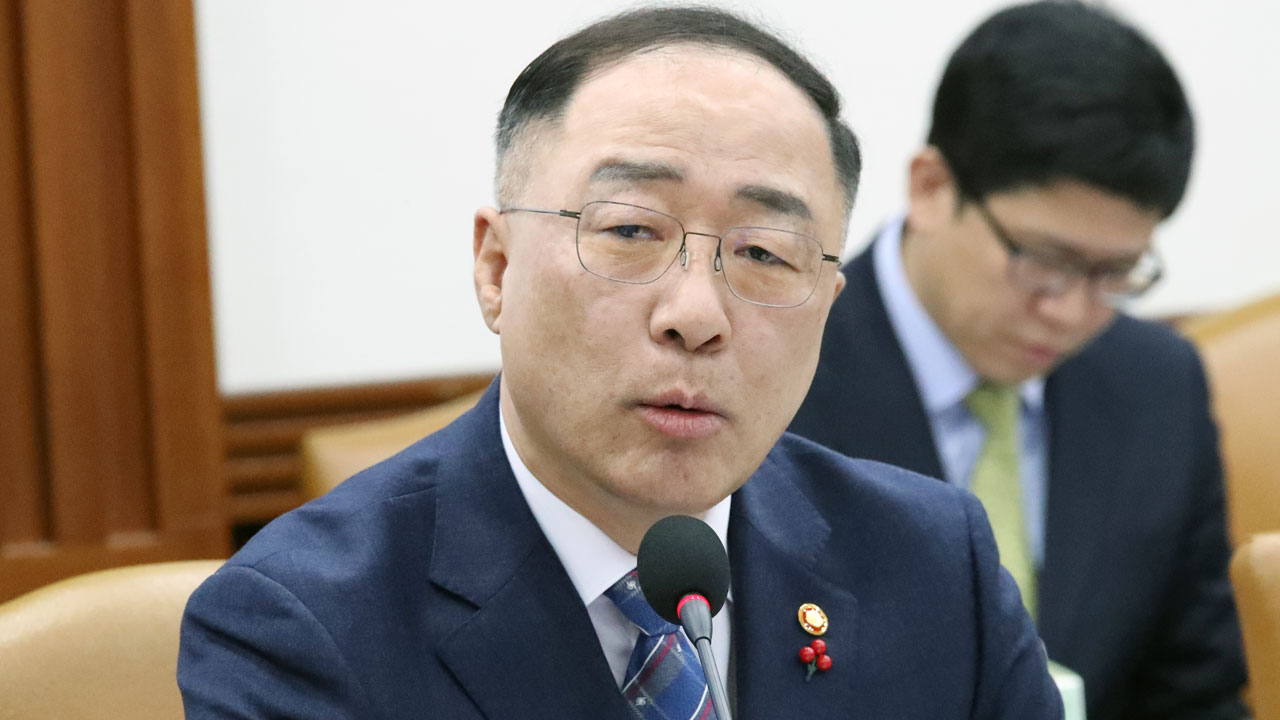
South Korea's finance minister warned that excessive liquidity could increase property prices after the government pledged to spend 270 trillion won to counter the pandemic's aftereffect and the Bank of Korea (BOK) slashing its key rate to an all-time low.
Finance Minister Hong Nam-ki, who assured that the government is closely monitoring the housing market, instructed ministry officials to review measures that could channel such liquidity into infrastructure projects.
In recent years, the rise in housing prices has prompted policymakers to introduce measures such as tightened home-backed loan regulations and higher taxes.
Home transactions in South Korea plunged over 30 percent in April from the previous month due to stricter property rules and the pandemic.
The 73,531 homes that changed hands nationwide in May is 32.3 percent lower from April.
However, the figure was 29 percent higher from May last year when housing transactions were anemic.


Trump Defends Economic Record in North Carolina as Midterm Election Pressure Mounts
Global Markets Rise as Tech Stocks Lead, Yen Strengthens, and Commodities Hit Record Highs
South Korea Central Bank Warns of Rising Financial Stability Risks Amid Won Volatility
Russia Stocks End Flat as Energy Shares Support MOEX Index
U.S. Stock Futures Rise Ahead of Holiday-Shortened Week as AI Optimism Lifts Tech
Japan Signals Possible Yen Intervention as Currency Weakens Despite BOJ Rate Hike
Asian Stocks Rise as Wall Street Tech Rally Lifts Markets, Yen Slumps Despite BOJ Rate Hike
EU Delays Mercosur Free Trade Agreement Signing Amid Ukraine War Funding Talks
IMF Reaches Staff-Level Agreement With Egypt, Opening Path to $3.8 Billion in Funding
China’s Power Market Revamp Fuels Global Boom in Energy Storage Batteries
Yen Stabilizes Near Lows as Japan Signals Readiness to Intervene Amid Dollar Weakness
Oil Prices Steady in Asia but Headed for Weekly Loss on Supply Glut Concerns
Platinum Price Surges Past $2,000 as Demand and Supply Dynamics Tighten
Global Demand for Yuan Loans and Bonds Surges as China Pushes Currency Internationalization
Why U.S. Coffee Prices Are Staying High Despite Trump’s Tariff Rollbacks
China Keeps Benchmark Lending Rates Steady as Economic Outlook Remains Cautious 


