Ever since former Federal Communication Commission Tom Wheeler resigned from his post, his replacement was immediately labeled a danger to Net Neutrality. Based on recent changes to regulations by the FCC, it would seem these fears were founded. Now, not only are internet service providers free to violate user privacy rights, data cap tolls are also in place.
When Wheeler was still head of the FCC and President Barack Obama was still in the White House, strict regulations were in place that was meant to make sure that companies like AT&T and Verizon were subjected to rigorous limitations on the kinds of customer data they could gather. More than that, ISPs were also scrutinized more closely than even companies like Facebook, Reuters reports.
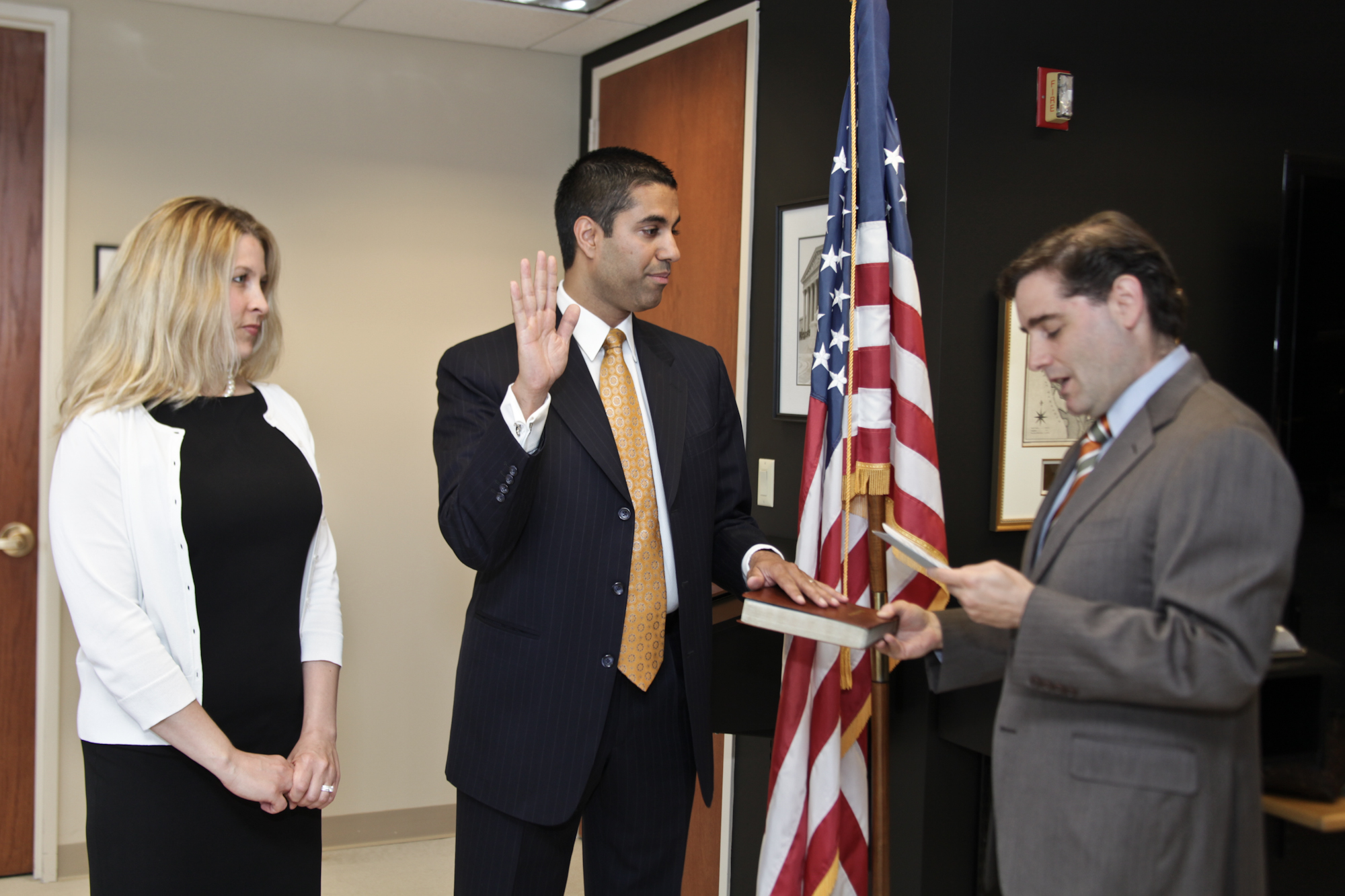
Now that Donald Trump is president and Pai is the new FCC head, things have changed. The regulations mentioned above were just reversed, which means that carriers can now access user data like geolocation, browsing history, financial details, and even information pertaining to children without permission. All of these are basically valuable resources for ISPs, which will allow them to rake in billions of ad revenue.
According to the commission, the reversal was a way to buy some time in order to create a new standard for protecting user information. Privacy watchdogs and advocates, however, are not convinced.
Meanwhile, it would seem that ISPs have just been given the green light to go nuts with zero-rating data services, Ars Technica reports. These are the types of services that basically favor those who are able to pay for much better deals, thus painting a decidedly skewed landscape in the mobile data world. If companies don’t want to be hindered by data caps, for example, they would need to pay.
This is precisely the kind of developments that Net Neutrality was meant to prevent. The new FCC stripped all of the work that had gone into making sure that companies would not take advantage of its customers. Basically, the American people were just sold to ISPs.