


 Google Changes EU Spam Policy Amid Antitrust Scrutiny
  Synthetic data could ease people’s concerns about privacy breaches. But who gets to create it?
  ICE Agent Arrested in Minneapolis Over Venezuelan Man Shooting
  U.S. Issues Cuba Health Alert as Illnesses Rise
  Trump Eyes End to Iran War, Plans Gulf Leaders Meeting
  SEC Probes Banks Over Situational Awareness Hedge Fund Collapse
  U.S. Probes Apex Logistics Over Nvidia AI Chip Shipments to China
  Paris Talks Focus on Lebanon Army Needs as UNIFIL Exit Looms
  Iran Economic Crisis Forces Afghan Families to Return Home
  Australia Defends Social Media Algorithm Law Amid US Concerns
  Texas Republicans Turn Against AI Data Centers as Election Backlash Grows
  Australia Tightens Student Visa Rules, Targets Migration Cut by 2028
  Australia Plans New Rules Giving Users Control Over Social Media Feeds
  North Korea Vows to Expand Nuclear Arsenal Amid U.S.-Led Military Buildup
  Guterres Urges Stronger Global AI Safeguards Ahead of UN Assembly
  Judge Blocks Trump Rule Limiting Foreign Student Visas
  France Urges Faster AI Push Despite Safety Risks


 Add as a preferred source on Google
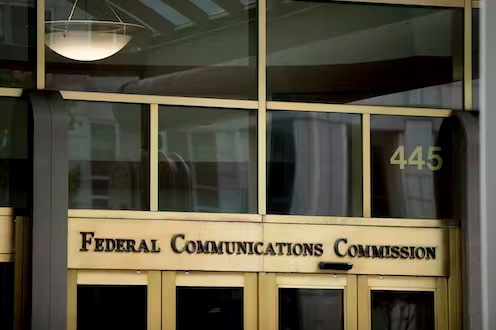
The Federal Communications Commission is escalating its crackdown on Chinese technology by preparing to vote on a sweeping proposal that would prohibit all Chinese laboratories from testing electronic devices intended for the U.S. market. The vote is scheduled for April 30, covering a wide range of consumer electronics including smartphones, cameras, and computers.
This move builds on a prior FCC ruling that banned testing by labs directly owned or controlled by the Chinese government, which resulted in 23 facilities being removed from the approval process. However, the agency acknowledged that the majority of China-based labs continue to test American electronics, prompting the need for a broader restriction. Currently, approximately 75% of all consumer electronics undergo testing in Chinese facilities, highlighting the scale of the proposed change.
To ease the transition for manufacturers, the FCC plans to introduce a streamlined device approval process for products tested in U.S. labs or those located in countries that do not present national security concerns. This parallel initiative is expected to be voted on before the final prohibition is adopted, giving the public an opportunity to submit comments ahead of a formal decision.
The proposal is part of a broader and intensifying effort by Washington to limit Chinese influence over American technology infrastructure. In recent months, the FCC has proposed banning imports of equipment from Chinese firms already flagged as national security risks, including Huawei, ZTE, Hytera, Hikvision, and Dahua. The agency has also moved to restrict imports of Chinese-manufactured drones and consumer routers. Earlier actions barred several Chinese telecom companies from operating within the United States altogether.
Hikvision has publicly pushed back, arguing that retroactively revoking previously approved authorizations is both unlawful and unjust. The Chinese Embassy in Washington has yet to issue a formal response to the latest proposal.







