


 China Industrial Profit Growth Slows as Weak Demand Offsets AI Gains
  Gold Rebounds as Oil Falls and Treasury Rout Eases
  Trump Eyes $54 Billion South Korean Investment in Alaska LNG
  Fed Unveils Stablecoin Rules Under GENIUS Act
  RBI Uses $10 Billion Currency Swaps to Drain Excess Rupee Liquidity
  U.S. Stock Futures Steady as AI, Rate Concerns Weigh
  Central Banks Could Buy 20,000 Tonnes of Gold: BofA
  U.S. Stock Futures Fall as Iran, Oil and AI Risks Rattle Markets
  Asian Chip Stocks Tumble as OpenAI Safety Pause Sparks AI Growth Concerns
  Nvidia China Chip Sales Report Sends Chinese Semiconductor Stocks Lower
  UK Housebuilder Stocks Surge on New First-Time Buyer Loan Scheme
  BlackRock’s Rick Rieder Favors Bonds Over Stocks as Treasury Yields Surge
  RBA Set for September Rate Hike as Inflation Stays High


 Add as a preferred source on Google
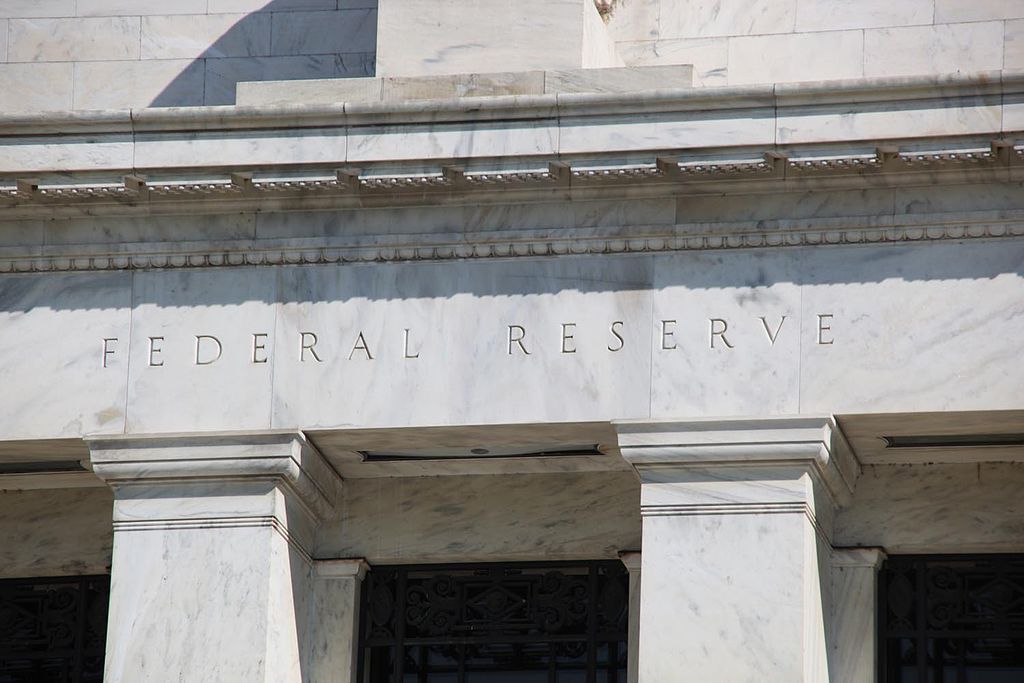
The upcoming FOMC minutes are expected to highlight sharp divisions among Federal Reserve policymakers, even as markets remain split on whether a December rate cut is likely. Despite the uncertainty, UBS forecasts that the “totality of the data” arriving before the December meeting will ultimately support momentum toward a third rate cut this year.
According to UBS economists, the October meeting minutes will likely underscore wide-ranging views on near-term monetary policy, but a slim majority still appears inclined toward further easing. They argue that recent economic indicators are unlikely to shift this sentiment, especially given the lack of meaningful data following the lengthy U.S. government shutdown.
Policymakers such as Atlanta Fed President Raphael Bostic and Kansas City Fed President Jeffrey Schmid have voiced caution. Bostic emphasized a data-dependent approach after backing the last two cuts, while Schmid—who dissented against the October cut—warned that another reduction may do little to bolster a labor market strained by structural challenges. He pointed to technological shifts and restrictive immigration policies as key pressures limiting labor supply and weakening job growth.
These more hawkish views stand in contrast to dovish voices on the committee, including Fed Governor Stephen Miran, who has advocated for a more aggressive 50-basis-point cut in December. This divergence illustrates the growing debate over how best to support an economy facing rising downside risks.
UBS notes that early signs from holiday hiring and a rise in layoff announcements reinforce concerns about economic momentum. With demand softening and uncertainty elevated, the firm expects incoming data to strengthen the case for additional monetary accommodation.
Despite differing opinions within the FOMC, UBS believes the broader trend still favors easing as policymakers navigate weakening labor conditions and fragile consumer sentiment.







