


 Fed Unveils Stablecoin Rules Under GENIUS Act
  RBI Uses $10 Billion Currency Swaps to Drain Excess Rupee Liquidity
  US Dollar Hits Two-Month High as Aussie, Pound Slide
  Nvidia China Chip Sales Report Sends Chinese Semiconductor Stocks Lower
  Gold Rebounds as Oil Falls and Treasury Rout Eases
  Asian Chip Stocks Tumble as OpenAI Safety Pause Sparks AI Growth Concerns
  RBA Hikes Interest Rate to 4.60% as Inflation Risks Rise
  Japanese Yen Retreats as Dollar Rises Ahead of Fed, BOJ Rate Decisions
  Asian Currencies Weaken as Dollar, Oil Prices Rise
  US Stocks Slip as Treasury Yields Ease, AI Trade Rebounds
  Trump Eyes $54 Billion South Korean Investment in Alaska LNG
  Yen in Focus as BOJ, Fed Rate Hikes Reshape Currency Markets
  China Industrial Profit Growth Slows as Weak Demand Offsets AI Gains
  Central Banks Could Buy 20,000 Tonnes of Gold: BofA


 Add as a preferred source on Google
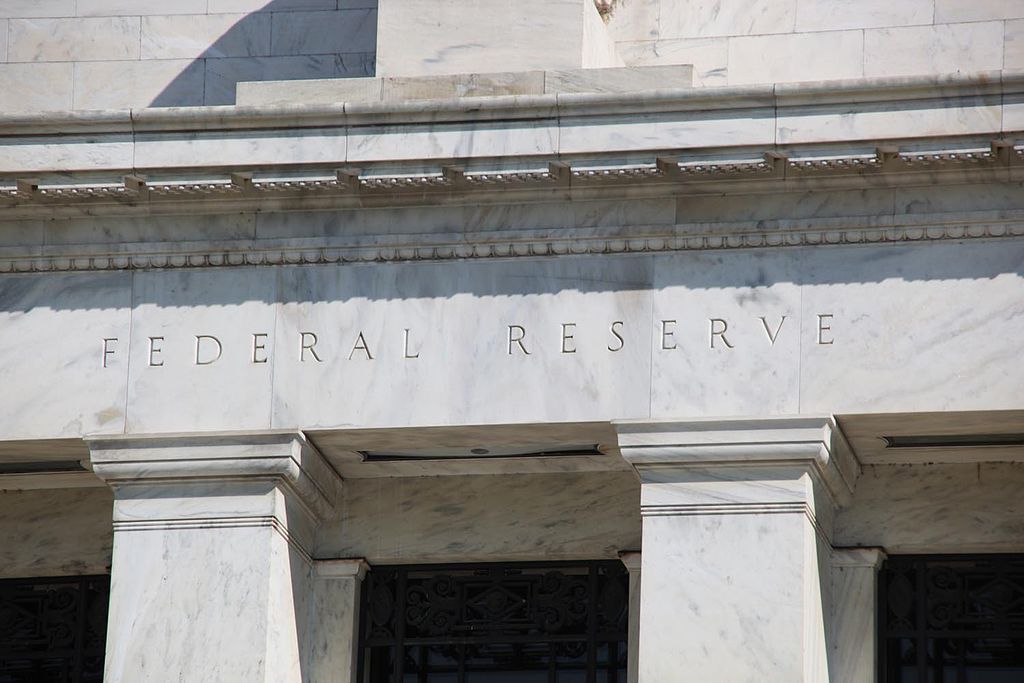
Federal Reserve officials are increasingly split over whether to cut interest rates again in December, according to a report by Wall Street Journal’s Nick Timiraos, often dubbed the “Fed whisperer.” The division reflects growing uncertainty within the central bank about whether persistent inflation or a slowing labor market poses a greater risk to the U.S. economy.
The Federal Reserve previously implemented two consecutive 25-basis-point rate cuts in September and October, decisions that were nearly unanimous. However, the possibility of a third cut in December has sparked debate among policymakers. Hawkish members argue that continued easing could reignite inflationary pressures, while others believe that maintaining higher rates could stall job growth and weaken economic momentum.
Adding to the tension is the recent prolonged government shutdown—the longest in U.S. history—which delayed the release of critical economic data, including inflation and employment reports. The data gap has made it more difficult for Fed officials to accurately assess current economic conditions ahead of their December 10–11 meeting.
Despite these challenges, the shutdown is expected to end this week, allowing the government to publish delayed economic reports before the Fed’s policy meeting. This information will likely play a pivotal role in shaping the final decision on whether to proceed with another rate cut.
Market sentiment remains mixed. According to the CME FedWatch Tool, traders are pricing in a 61.9% probability that the Federal Reserve will reduce rates by another 25 basis points in December, while 38.1% expect the central bank to hold steady.
The outcome of the December meeting will be closely watched by investors and economists alike, as it could signal the direction of U.S. monetary policy heading into 2026—balancing between inflation control and sustaining employment growth.







