


 Europe EV Sales Hit Record as Affordable Models Boost Demand
  OKXICE Files for 24/7 Tokenized US Stock Trading
  Asian Currencies Steady as Dollar Holds Near 18-Month High
  Cardano Price Surges 10% as ADA Targets $0.30
  Asian Currencies Slide as Dollar Rises, Euro Hits 17-Month Low
  US Dollar Surge Tests Bitcoin as Fed Rate Bets Rise
  Euro Hits 17-Month Low as France Debt Fears Boost Dollar
  BOJ Set for Rate Hike as Inflation and Yen Pressure Mount
  BofA Raises Coinbase Stock Target to $203 on Stablecoin Growth
  Sector Spotlight: Data Availability and Storage Lead 24-Hour Market Gains
  China Shuts 670 Banks as Bitcoin Eyes Financial Risks
  Trump Opens Tax-Exempt Dyed Diesel Access as Fuel Prices Surge
  ECB May Stop Rate Hikes After December, Capital Economics Says
  Fed’s Williams Signals One More Rate Hike Before Year-End
  Strategy’s STRC Nears $100, Raising Prospects for Major Bitcoin Buys
  Bitcoin Outflows From Binance Hit Three-Year High as Whales Accumulate


 Add as a preferred source on Google
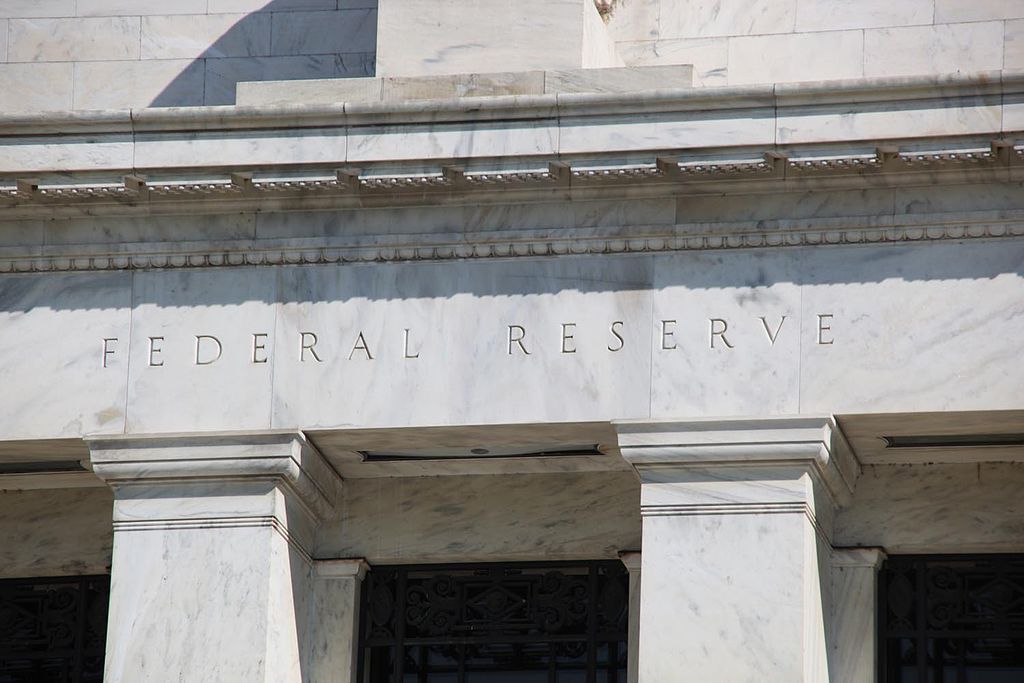
Dallas Federal Reserve President Lorie Logan has cautioned against aggressive interest rate cuts, warning that inflation remains too stubborn and economic demand too resilient to justify rapid monetary easing. Speaking at a Dallas Fed event on Tuesday, Logan emphasized that the U.S. central bank should move carefully before reducing rates further, even after supporting the Federal Open Market Committee’s (FOMC) September decision to cut rates for the first time in nine months. That move was intended to address risks of slowing job growth, but Logan stressed that additional reductions could undermine progress toward restoring price stability.
Logan noted that inflation is still not convincingly on track to return to the Fed’s 2% target, highlighting persistently high non-housing services inflation, which has held steady around 3.4% over the past year. According to her, the combination of resilient consumer demand, solid business investment, and only modest labor market slack suggests monetary policy is currently just modestly restrictive. Cutting rates too aggressively, she warned, could shift policy into an overly accommodative stance and entrench above-target inflation.
While acknowledging some cooling in the labor market, Logan argued that significant slack has not yet developed, with consumer spending remaining robust and business activity continuing at a steady pace. She also flagged trade tariffs as an added inflation risk, though she characterized their impact as likely a one-time upward price adjustment rather than a sustained driver of inflation.
Her remarks underscore the Fed’s balancing act between supporting employment and preventing inflation from remaining elevated. Logan’s comments suggest that while limited rate cuts may be possible, the central bank is unlikely to pursue a fast or aggressive easing path until inflation shows clearer signs of moving sustainably back toward its 2% goal.







