


 Second DOJ Lawyer Exits Trump Probe
  CNN, Politico and MS NOW Seek Court Order Blocking Trump White House Ban
  Yen in Focus as BOJ, Fed Rate Hikes Reshape Currency Markets
  ECB May Stop Rate Hikes After December, Capital Economics Says
  US Sanctions Iran Weapons Procurement Network
  Dollar Eases Near Two-Month High as Yen Rebounds
  U.S. Stock Futures Fall as Iran, Oil and AI Risks Rattle Markets
  Japan Warns Markets Over Yen Weakness
  BOJ Set for Rate Hike as Inflation and Yen Pressure Mount
  Trump Eyes $54 Billion South Korean Investment in Alaska LNG
  U.S. Stock Futures Steady as AI, Rate Concerns Weigh
  US Troops Set to Complete Iraq Withdrawal as Iran Influence Grows
  Gold Rebounds as Oil Falls and Treasury Rout Eases
  Fed’s Hammack Says Bond Yield Surge Is Not Driven by Inflation Fears
  Global Central Banks Brace for More Rate Hikes as Inflation Risks Rise
  Fed Rate Hike Threatens Housing as U.S. Growth Leans on AI, Citi Says


 Add as a preferred source on Google
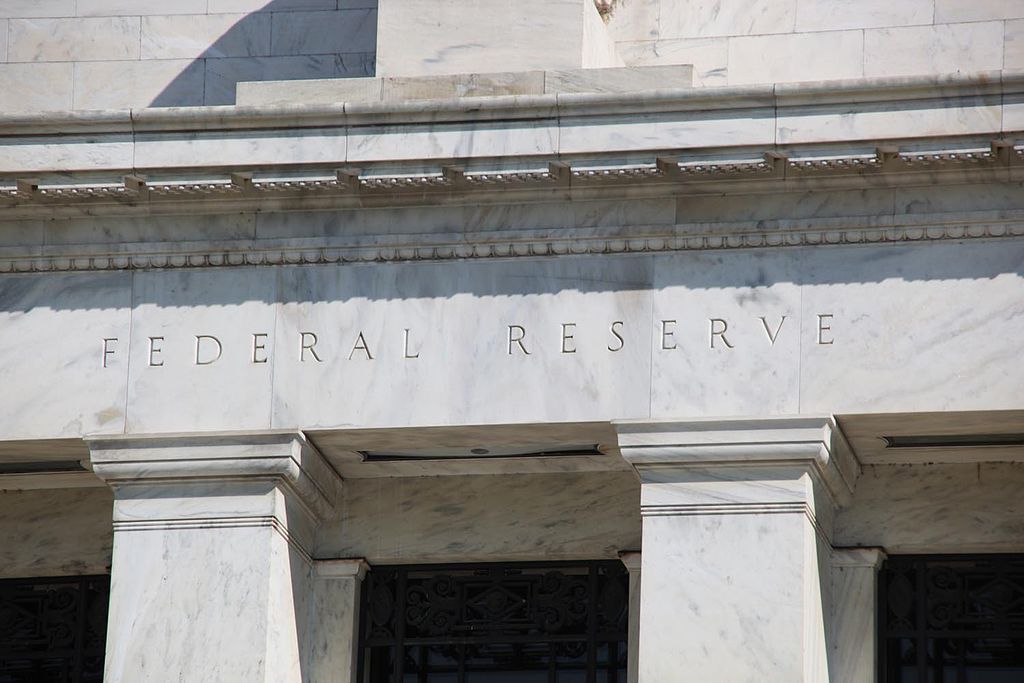
Federal Reserve Governor Christopher Waller is urging a 25 basis point interest rate cut by the end of July, citing growing economic risks and minimal inflationary pressure from President Trump’s trade tariffs. Speaking at a Money Marketeers event in New York, Waller emphasized the need for monetary policy to shift from restrictive to neutral territory as signs of strain appear in the U.S. labor market.
Waller noted that both hard and soft economic data point to a slowing economy, supporting the case for rate cuts. “The economy is still growing, but its momentum has slowed significantly,” he said, adding that the Fed’s employment mandate now faces greater risks. Waller’s call comes just ahead of the central bank’s two-week media blackout before its next policy meeting.
In contrast to Fed Chair Jerome Powell’s cautious stance, Waller downplayed the inflationary impact of Trump’s recent tariffs, calling them a one-time price-level shock. “Central bankers should look through temporary price increases caused by tariffs to avoid unnecessary tightening,” he said.
Powell has held off on committing to rate cuts, stating the Fed will wait to see the full inflationary effect of tariffs before making a move. Meanwhile, President Donald Trump has repeatedly pressured Powell to lower rates and has even launched personal attacks against the Fed Chair. Recent speculation over Trump potentially firing Powell has intensified, though Trump has denied such intentions.
Waller remains one of the few dovish voices within the Fed, pushing for proactive easing despite most officials urging caution. His remarks highlight the growing divide within the central bank over how to respond to a slowing economy, persistent tariff uncertainty, and political pressure from the White House.







