
France and Britain are set to co-chair a high-stakes diplomatic meeting bringing together approximately 40 nations to address the growing crisis in the Strait of Hormuz. The gathering signals that key U.S. allies are prepared to take an active role in restoring international shipping access once the conditions on the ground allow for it.
The strait has been largely inaccessible to non-Iranian vessels since U.S. and Israeli airstrikes began on February 28. The situation escalated further when Washington imposed a blockade on Iranian ports earlier this week. President Donald Trump has since urged allied nations to support the enforcement of that blockade, drawing criticism from European partners who argue that participation would effectively mean entering the conflict.
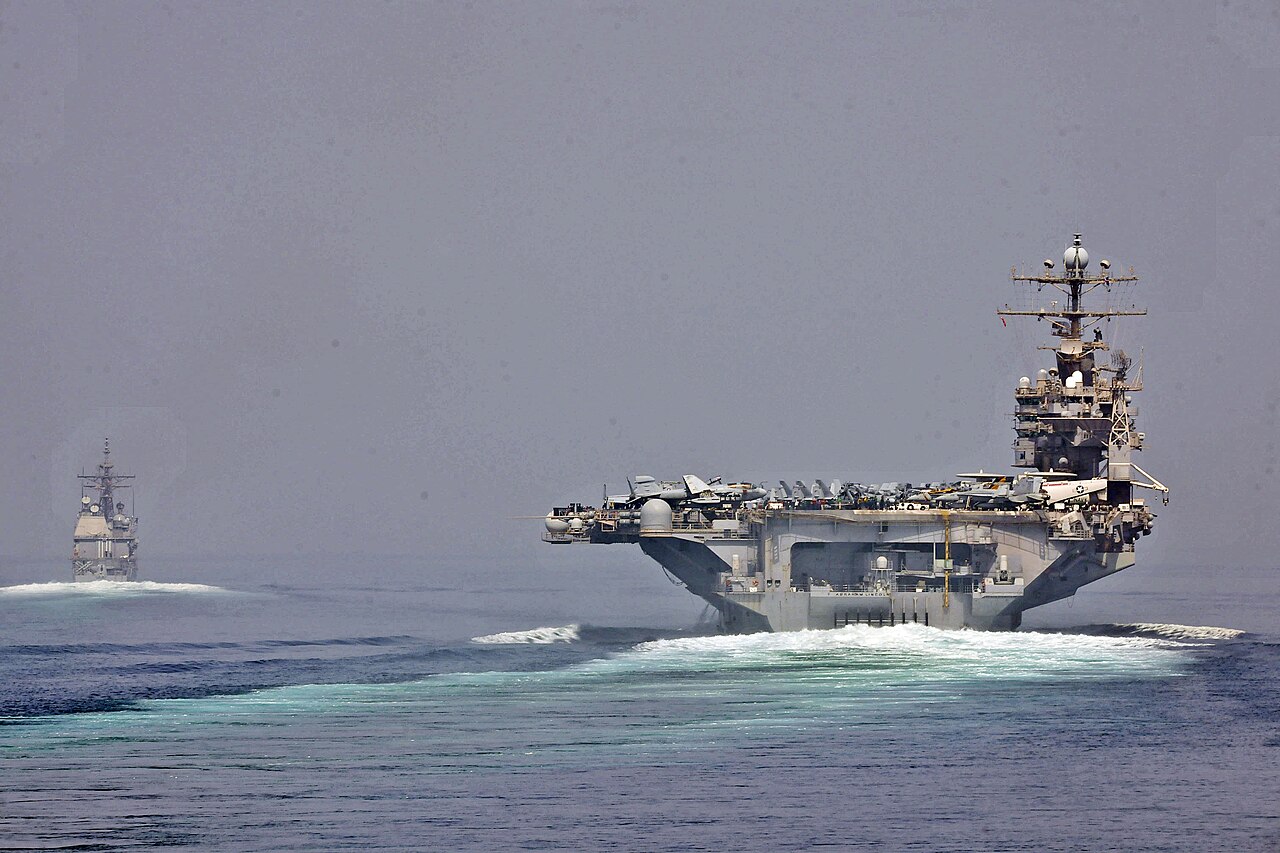
European powers including Britain and France have firmly stated they will not join the blockade but have expressed willingness to help guarantee freedom of navigation once a ceasefire or resolution is reached. The proposed mission, which currently excludes both the United States and Iran, is designed to be strictly defensive in nature. Despite this, European diplomats acknowledge that any viable long-term operation would need coordination with both Washington and Tehran. The U.S. will be briefed following the meeting.
Central to Friday's agenda is the humanitarian and economic toll the crisis is taking on the global shipping industry. Over 20,000 seafarers remain stranded, with numerous commercial vessels also trapped. Participants will discuss diplomatic support for international maritime law, economic relief measures, and preparations for a potential multinational naval deployment.
French President Emmanuel Macron, UK Prime Minister Keir Starmer, German Chancellor Friedrich Merz, and Italian Prime Minister Giorgia Meloni will attend in person in Paris. Other leaders and officials from Europe, Asia, and the Middle East will join remotely. China has been invited, though its participation remains uncertain.
A formal chair's statement is expected at the conclusion of the talks, with a multinational military planning session to follow next week.


