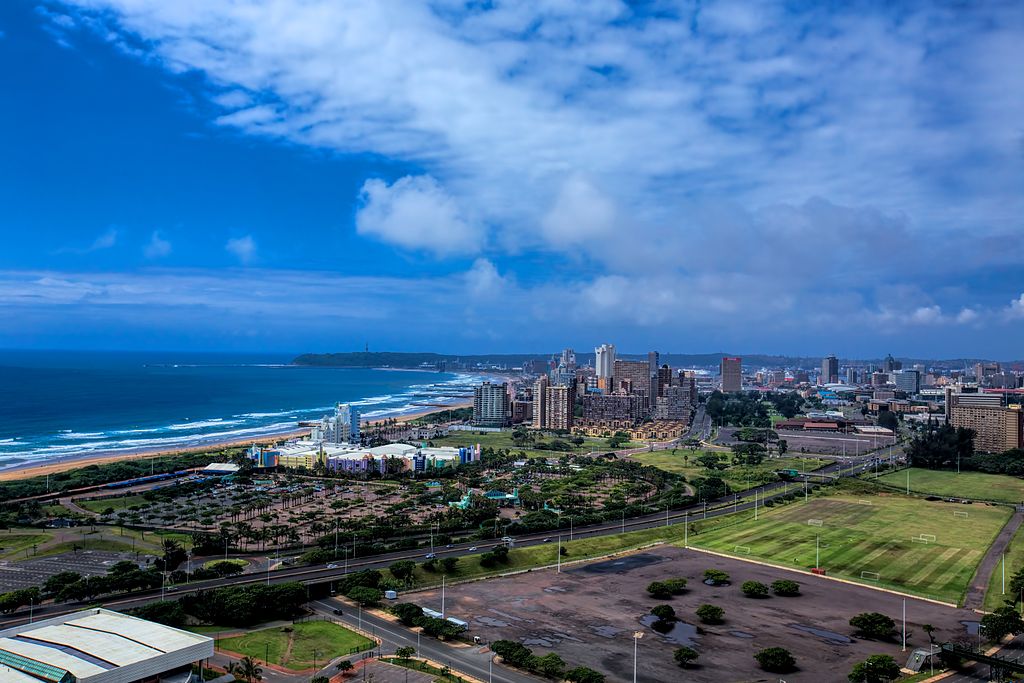
G20 finance leaders are gathering in Durban, South Africa, this Thursday, overshadowed by rising global tensions, including U.S. President Donald Trump's sweeping tariff threats. The high-stakes meeting comes as the G20’s role in fostering global economic cooperation faces increasing strain from geopolitical rifts, especially the Russia-Ukraine conflict and related Western sanctions.
South Africa, under its presidency theme “Solidarity, Equality, Sustainability,” aims to spotlight African priorities such as the soaring cost of capital and climate finance. However, the absence of key figures, including U.S. Treasury Secretary Scott Bessent and finance ministers from India, France, and Russia, raises concerns about the forum’s cohesion. Bessent’s second absence from a G20 event in South Africa this year is notable, especially as the U.S. prepares to assume the presidency in 2026. Michael Kaplan will represent Washington in his place.
The G20, which emerged as a vital platform during the 2008 financial crisis, now struggles to produce unified statements. The last consensus communique was issued in July 2024, omitting any mention of the Ukraine war.
Trump’s aggressive trade agenda further complicates global unity. The U.S. has implemented tariffs of up to 50% on imports like steel, autos, and aluminum, with new levies on over 20 countries, including BRICS nations, set for August 1. His threats have fueled fears of fragmentation within multilateral institutions like the G20.
Despite these challenges, South Africa hopes to release a communique by the end of the summit. South African Reserve Bank Governor Lesetja Kganyago emphasized that true representation—regardless of rank—remains essential.
With expectations low and divisions deep, this year’s G20 finance meeting may signal a more subdued chapter for global economic diplomacy.