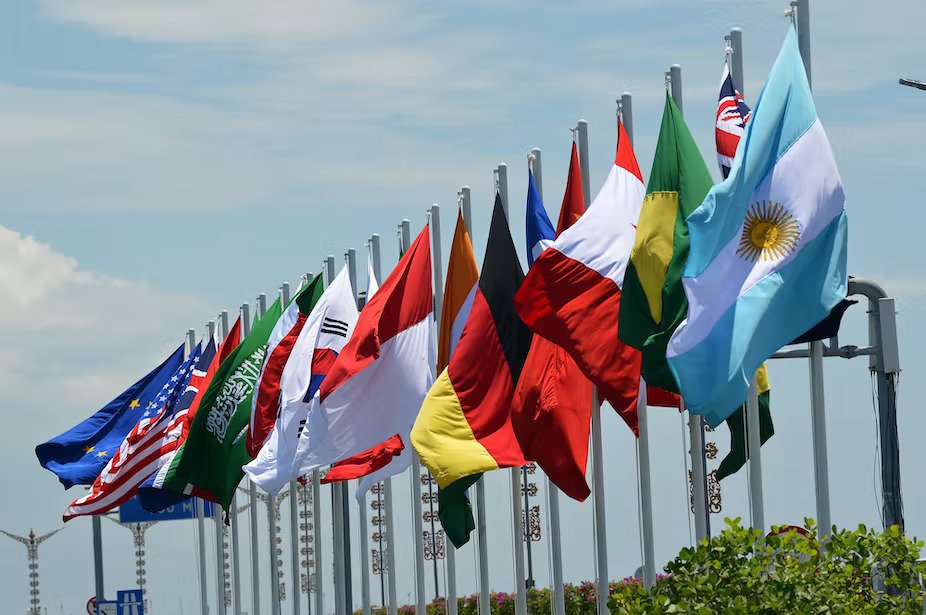
Leaders from the Group of 20 major economies convened in Johannesburg for a summit notably boycotted by the United States, after a draft declaration was prepared without U.S. input. According to multiple sources, G20 envoys reached agreement on the draft, which emphasizes climate change as a central theme—despite objections from the administration of U.S. President Donald Trump. The White House criticized the move as “shameful,” reflecting ongoing tensions over global climate policy.
The draft declaration reportedly includes references to climate action and the transition to renewable energy, issues the Trump administration has repeatedly dismissed, questioning scientific consensus on human-driven global warming. Trump also cited discredited allegations that South Africa’s Black-led government discriminates against the white minority as justification for boycotting the summit.
South African President Cyril Ramaphosa, who aimed to use the event to highlight his country’s leadership in multilateral diplomacy, faced setbacks due to the U.S. absence. Still, some analysts believe the boycott could strengthen the summit’s outcomes if other G20 members unite behind South Africa’s climate-focused agenda.
Three of South Africa’s four main priorities—responding to climate-induced disasters, securing financing for clean energy transition, and ensuring critical mineral resources benefit producing nations—center on environmental sustainability. The remaining item focuses on creating a fairer global borrowing system for developing countries burdened by high debt costs.
It remains unclear what compromises were made to reach consensus on the draft language, given the U.S. resistance to climate-related terminology and hesitation from certain other member states. Ramaphosa noted that the U.S., set to host the G20 in 2026, would receive the rotating presidency symbolically, as South Africa rejected Washington’s proposal to send its chargé d’affaires for the handover.
The summit’s progress highlights the growing divide in global climate leadership—and the increasing determination of many G20 nations to advance climate resilience and clean-energy financing despite U.S. opposition.